LG K10 (2017) im Vergleich
Nicht mehr neu erhältlich
Tipp: Scrollen Sie in der untenstehenden Tabelle für weitere Infos
  | 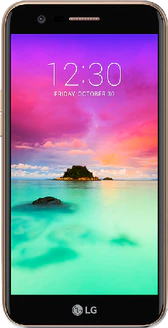 | 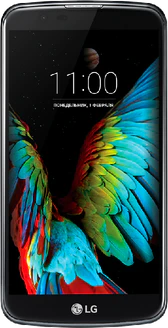 | Handy zum Vergleich hinzufügen |
|---|---|---|---|
| Abmessungen: | 148,7 x 75,2 x 7,9 mm | 146,6 x 74,8 x 8,8 mm | |
| Gewicht: | 142 Gramm | 140 Gramm | |
| Stand-by-Zeit: | 2,2 Woche | je nach Verwendung | |
| Sprechzeit: | 14 Stunden | je nach Verwendung | |
| Angekündigt: | 15 dezember 2016 | 4 januar 2016 | |
Anzeige | |||
| Farbdisplay: | Display-Helligkeit einstellbar, 16.777.216 Farben (24 Bit), IPS | Display-Helligkeit einstellbar, 16.777.216 Farben (24 Bit), IPS | |
| Auflösung: | 1280 x 720 pixels | 1280 x 720 pixels | |
| Format: | 5.3 inch | 5.3 inch | |
| Aspect ratio: | 16:9 | 16:9 | |
| Pixels Per Inch (PPI): | 277 | 277 | |
| Screen-to-body ratio: | 69.3% | 70.6% | |
Kameras | |||
| Blitzlicht hinten: | |||
| Hauptkamera: | Autofocus | Autofocus | |
| Auflösung: | 13 MP | 13 MP | |
| Rückfahrkamera-System: | Gezichtsherkenning, nachtmodus, portretmodus, Smile Shot | Gezichtsherkenning, nachtmodus, portretmodus, Smile Shot | |
| Auflösung des Videos: | FHD | ||
| Selfie-Kamera: | |||
| Auflösung: | 5 MP | 5 MP | |
| Betrachtungswinkel: | 120° | ||
| Max. Auflösung: | (camera) 2592 x 1944 pixels | (camera) 2592 x 1944 pixels | |
Hardware | |||
| Auswechselbare Cover: | |||
| Prozessor: | MediaTek MT6750, octa core | Quad core | |
| Taktfrequenz: | 1.5 GHz | 1.3 GHz | |
Speicher | |||
| Externe Speichererweiterung: | MicroSDHC-Speicherkarte | MicroSDHC-Speicherkarte | |
| Interne Speicherkapazität: | |||
| Arbeitsspeicher (RAM): | 2 GB | 1.5 GB | |
| Speicherkapazität: | 16 GB | 16 GB | |
Stromversorgung | |||
| Akku: | Li-Ion, austauschbar | Li-Ion, austauschbar | |
| Kapazität: | 2800 mAh | 2300 mAh | |
Audio | |||
| Audio Codec Unterstützung: | AAC, AAC+, AC3, eAAC+, FLAC, OGG Vorbis | ||
| UKW-radio: | Stereo, Radio-Recorder, RDS | Stereo, RDS | |
Betriebssystem | |||
| Android: | 7.0 (Nougat) | 6.0 (Marshmallow) | |
Materialien | |||
| Gorilla Glass: | |||
Bauform | |||
| Monoblock: | |||
Sensoren | |||
| Näherungsschalter: | |||
| Umgebungslichtsensor: | |||
| Gyroskop: | |||
Navigation | |||
| Digitalkompass: | |||
| GLONASS: | |||
| GPS-Empfänger: | |||
Telefonie | |||
| nano-SIM (4FF): | |||
Datennetz | |||
| 4G (LTE): | Cat 6 (300 Mbps), Band 1, 3, 7, 8, 20 | ||
| UMTS: | |||
| EDGE: | |||
| GPRS: | |||
| HSDPA: | Cat24 42 Mbps | ||
| HSUPA: | Cat6 5.76 Mbps | ||
Konnektivität | |||
| Bluetooth: | v4.2, Advanced Audio Distribution Profil (A2DP), Audio/Video Remote Control Profil (AVRCP), Device Identification Profile (DI), Generisches Audio/Video-Verteilungsprofil (GAVDP), Generisches Objektaustauschprofil (GOEP), Hands-Free Profil (HFP), Headset Profil (HSP), Health Device Profil (HDP), HID Over GATT Profile (HOGP), Human Interface Device Profil (HID), Message Access Profil (MAP), Objekt-Push-Profil (OPP), Personal Area Network Profil (PAN), Phonebook Access Profil (PBAP), Serial Port Profil (SPP), SIM Access Profil (SAP, SIM, rSAP) | v4.1, Advanced Audio Distribution Profil (A2DP) | |
| DLNA-Unterstützung: | |||
| NFC: | |||
| Video Out: | |||
| Wireless Lan (WLAN/Wi-Fi): | Wi-Fi 4 (802.11n), WiFi Direct-Unterstützung | Wi-Fi 5 (802.11ac), WiFi Direct-Unterstützung | |
Anschlüsse | |||
| Audioanschluss: | 3.5 mm | 3.5 mm | |
| USB: | v2.0, microUSB | v2.0, microUSB | |
Internet | |||
| Internet-browser: | Google Chrome | ||
Betriebsfrequenz | |||
| Quadband: | |||
Mitteilungsfunktionen | |||
| Instant Messaging: | Google Talk | ||
