Buy Sonim Phones
Sonim phones are built for jobs where a regular smartphone won’t last long: construction, engineering, agriculture, and healthcare. The brand focuses on rugged devices, ranging from a simple work phone to a full-featured rugged smartphone running Android. This overview lists all the Sonim models we’re comparing, with current prices from all providers side by side. We don’t earn more from one brand or device than another, so the order doesn’t reflect our preference. Use the filters to compare the models side by side.
What should you look for in a Sonim phone?
First, choose the type of device. Sonim offers both a basic work phone and an Android smartphone, and the difference between them is greater than their shared rugged design might suggest. Next, consider the certifications, weight, warranty, and user interface.
Work Phone or Android Smartphone
The two models in this overview are designed for different situations.
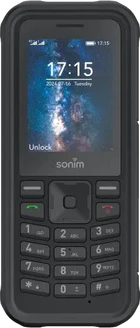
- Sonim XP100: compact work phone with a small color screen, a flashlight, and dual SIM. Designed for making calls and sending text messages, with no app store. A smaller screen also means fewer parts that can break.
- Sonim XP400: Android smartphone with a 6.5-inch screen, NFC, and programmable buttons. For those who also fill out forms, take photos, or use navigation while on location.
Not sure? Take a look at your workday. If you mainly make calls and send texts, and want to have battery life left at the end of the day, then the work phone is enough. If you need software from your employer while on the go, then the smartphone is the only option of the two.
Certifications: What IP and MIL-STD Do and Don’t Mean
Both Sonim models carry the same certifications: IP68, IPX9K, and MIL-STD-810H. IP68 means dustproof and resistant to submersion. IPX9K goes a step further and stands for a high-pressure jet of hot water—exactly what a device endures when it’s hosed down at the end of the day.
MIL-STD-810H sounds more rigorous but is actually less specific. The IP rating specifies the test method, although for IP68, the manufacturer itself determines the depth and duration of the test. MIL-STD-810H offers even more flexibility: it’s a collection of test methods from which the manufacturer chooses which ones to perform and under what conditions. Two devices with the same MIL-STD designation may therefore have passed different tests.
What You Sacrifice for Durability
Rugged means heavy. The Sonim XP400 weighs 230 grams, and you can feel that in your pocket and on your belt. On the other hand, it features a 5000 mAh battery designed to last through a long workday. You can’t replace the Sonim XP100’s battery yourself, so carrying a spare battery isn’t an option with that model.
Take a realistic look at the rest of the hardware as well. The XP400 runs on a Snapdragon 4 Gen 2 with 6 GB of RAM: entry-level to mid-range. You’re paying here for the build quality and certification, not for processing power or camera quality. If speed or photography is your main priority, you’re better off with a regular smartphone.
Warranty and Operation
Sonim states that it offers a three-year manufacturer’s warranty on the XP400. That’s longer than the manufacturer’s warranty offered by most manufacturers. In addition, you have a statutory warranty, which isn’t tied to a fixed term but depends on what you can reasonably expect from a product.
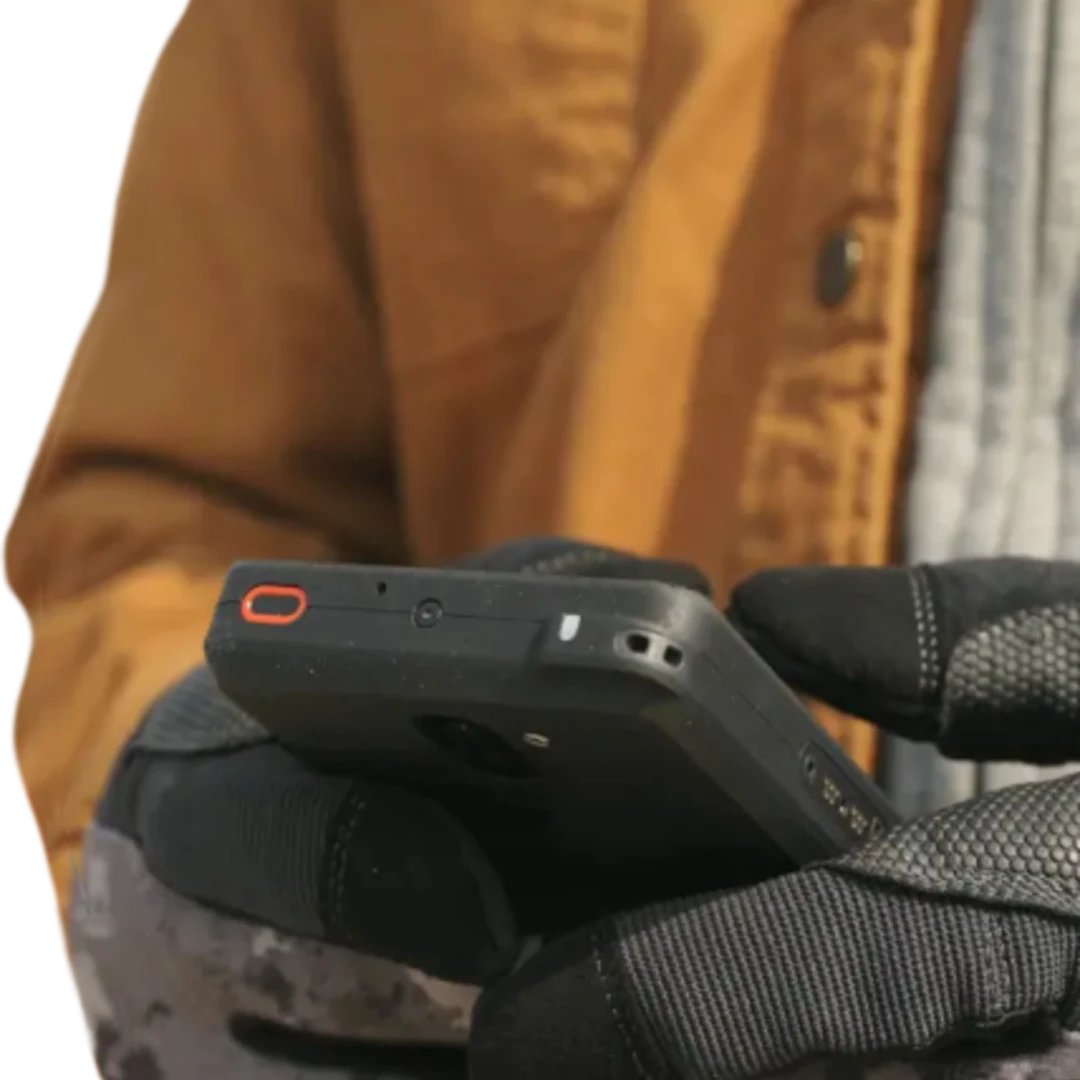
When it comes to operation, pay attention to physical buttons. A programmable button that you can press while wearing gloves is more practical on the job site than an icon on a touchscreen, especially with wet or dirty fingers.
Still not sure if you need a brand-specific work phone? Then check out the wider selection of rugged phones or, if you’re mainly looking for simplicity, the feature phones.
