
Compare Mid-Range Smartphones
Looking for a mid-range smartphone? This category includes devices that offer the features of a flagship model at a significantly lower price. Below, you’ll find them listed side by side with independent specifications and current prices—and we don’t earn more from one brand than another. Use the filters to narrow down your choices, or click on a model to compare retailers.
17 products
Samsung Galaxy A Series
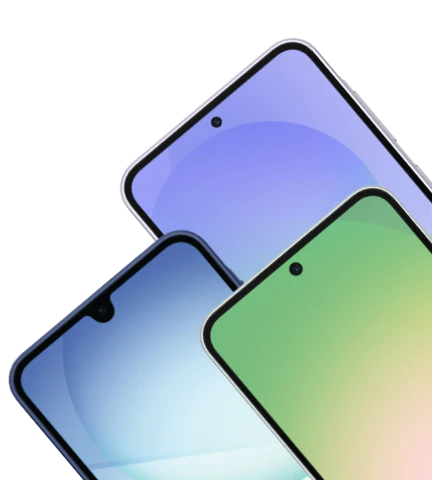
9 products
Motorola Moto G Series
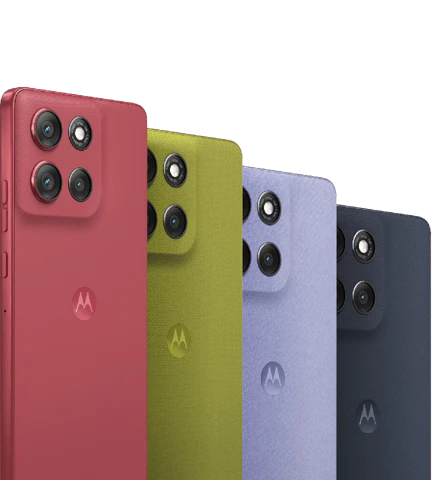
8 products
Oppo Reno Series
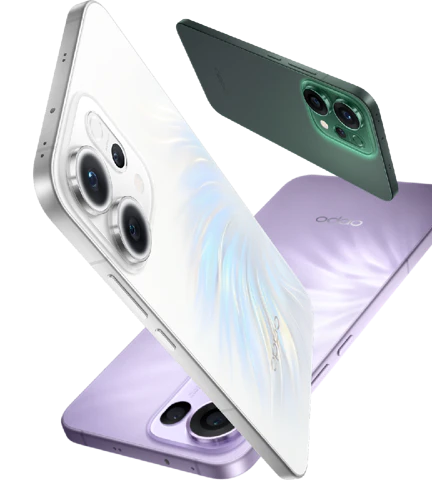
Which mid-range smartphone is right for you?
The difference between two mid-range smartphones rarely comes down to the processor specs. It’s in the features you use every day, how much storage and RAM you get for your money, and how many years of updates the manufacturer promises. If you’re still unsure about this category itself, our selection guide can help you decide.
How do mid-range smartphones really differ?
- Camera: Multiple lenses are standard here, but a true telephoto lens and usable photos in low light are the exception in this class.
- Battery life: the batteries are generous, but the difference between one day and two days of use is significant within this class.
- Charging capacity: The wattage varies widely, and some manufacturers include a charger while others do not.
- Storage and RAM: memory is an expensive component, so manufacturers cut costs here first; at the same price point, one model may have twice as much storage as another.
- Update cycle: how many years the device will continue to receive Android and security updates, which determines how long you can continue to use it safely.
In this price range, you no longer have to compromise on many features. However, two aspects do vary by model, so be sure to check them: whether the device has NFC for contactless payments, and whether it has an IP rating for dust and water resistance.
Choose a mid-range phone if you want a device that will last for years and you don’t need the very best camera.
Choose a budget phone if making calls, sending messages, and using a few apps are enough.
Choose a flagship if you want the sharpest telephoto lens, the longest update support, or a foldable screen.
What do you get—and what don’t you get—in this category?
You do get: a smooth display with a high refresh rate, 5G, a battery that lasts a full day, and usually multiple cameras. Not included: the sharpest telephoto lens, the fastest chip for demanding games, and the highest outdoor screen brightness. If that’s exactly what you’re looking for, check out the high-end smartphones; if you need less, look at the budget phones.
Where do you get the longest update cycle in this class?
With the more expensive series from the major brands. Samsung promises six years of Android and security updates for its recent Galaxy A3x and A5x models, while that period extends to seven years for flagship models. At the lower end of this category and among smaller brands, the period is shorter, sometimes not much more than the legal minimum. That minimum applies to phones released in the EU on or after June 20, 2025: security updates must remain available for at least five years after a model is discontinued, and parts for at least seven years. This is a minimum requirement, not a manufacturer’s promise, so be sure to check the specific timeframe on the device’s product page.
How to compare two mid-range phones
It’s precisely in this category that spec sheets tend to look alike. Two factors still help highlight the differences: the energy label and whether you’re buying a new, one-year-old, or refurbished device.
Two devices with the same spec sheet? Check the energy label
According to European Commission regulations, phones entering the EU market on or after June 20, 2025, must carry a label indicating the energy class, battery life per charge, number of charge cycles, resistance to drops, dust, and water, and a repair class ranging from A to E. Online stores are required to display that label alongside the price, but not every store does so consistently. The repair class carries extra weight in this category: repairs for a cheaper device can easily cost a significant portion of the purchase price, meaning a mid-range phone that’s hard to repair is more likely to be discarded. The battery must retain at least 80 percent of its capacity after 800 charge cycles. Models that were on the market earlier do not have a label.
New, a year older, or refurbished?
For roughly the same price, you have three options here. A new mid-range phone gives you the full update cycle, a battery with no usage history, and a full warranty. The same model from a year ago, bought new, offers the same, but for a year less and at a lower price. A refurbished top-of-the-line model offers a better camera and higher-quality materials, but with the downside of a shorter remaining update period and a battery that has already been through several charge cycles; always ask about the battery warranty and the end date for updates. Our decision guide Refurbished, New, or Last Year’s Top Model? compares the three options side by side for each situation.
