
Compare In-Ear Earbuds
In-ear earbuds seal off your ear canal with a silicone tip. This provides better sound isolation, more bass, and noise cancellation that actually works, but not everyone likes that sealed-off feeling. This page lists all in-ear models, from entry-level to high-end, with current prices from all retailers side by side and compared 100% independently. Use the filters for brand, price, and noise cancellation to instantly find the earbuds that are right for you.
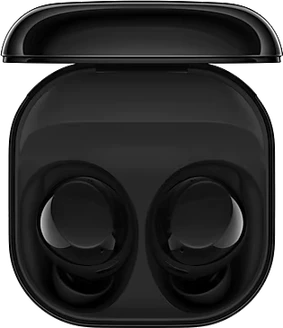
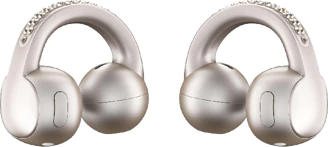

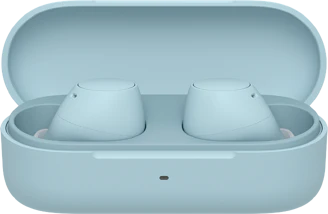
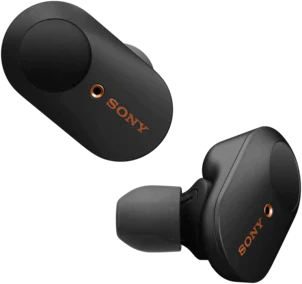
In-ear or open-back earbuds: what’s the difference?
In-ear earbuds feature a silicone tip that fits inside your ear canal and seals it off. Open and semi-in-ear models rest in your outer ear and leave the ear canal open. That single design choice determines almost everything you hear afterward: the sound isolation, the bass, how well noise cancellation works, and how long you can wear them comfortably.
The seal determines how much outside sound you hear
A well-fitting earbud physically blocks out ambient noise before any electronics come into play. This is called passive isolation, and it makes a bigger difference on the train or at the office than you might think. An added benefit: you don’t have to turn the volume up as high, which is better for your hearing. Open-ear models let everything through—that’s what they’re designed for.
Without a good seal, noise-canceling barely works
Active noise cancellation adds counter-sound to whatever noise still gets in. If noise leaks past the earbud, the electronics face a problem they can’t solve, and high-frequency sounds in particular slip through. That’s why the same earbuds sound noticeably quieter with a well-fitting ear tip than with one that’s too small. Semi-in-ear models often do have ANC, but the effect is limited to low-frequency hums like a motor or air conditioner. The bass also disappears with a poor seal: thin sound is more often caused by the wrong earbud tip than by poor-quality earbuds.
The downsides: pressure, sweat, and fit
In-ear headphones aren’t for everyone. The sealed-off feeling puts pressure on the ear, as if your ears are blocked, and for some people, this can cause a headache or itching after an hour. You also hear your own voice and footsteps louder—the so-called occlusion effect—which can be distracting while running. And because air can’t get in, your ear canal gets warm and clammy during exercise. If you exercise a lot, be sure to choose dust- and waterproof earbuds that are sweat-resistant.
Many issues can be resolved by changing the ear tips. Almost every set comes with three or four sizes, and the standard medium size that comes pre-installed doesn’t fit everyone. It’s perfectly fine for the left and right sides to be different.
When should you choose open or semi-in-ear earbuds?
Open and semi-in-ear models offer some isolation and bass, but still let you hear your surroundings. For those who wear earbuds all day at work or exercise outdoors, this often outweighs even the best noise-canceling features.
Choose in-ear if you want peace and quiet on the train, at the office, or on a plane, and if noise-canceling is your top priority.
Choose open-back or semi-in-ear models if you wear them for hours at a time, want to hear your surroundings while exercising or in traffic, or if you simply don’t like having an earbud in your ear canal.
Still unsure? Start by ruling out what you definitely don’t want. If you suffer from ear pressure, in-ear earbuds rarely work well for you, no matter how good they are otherwise.
