Compare Foldable Phones
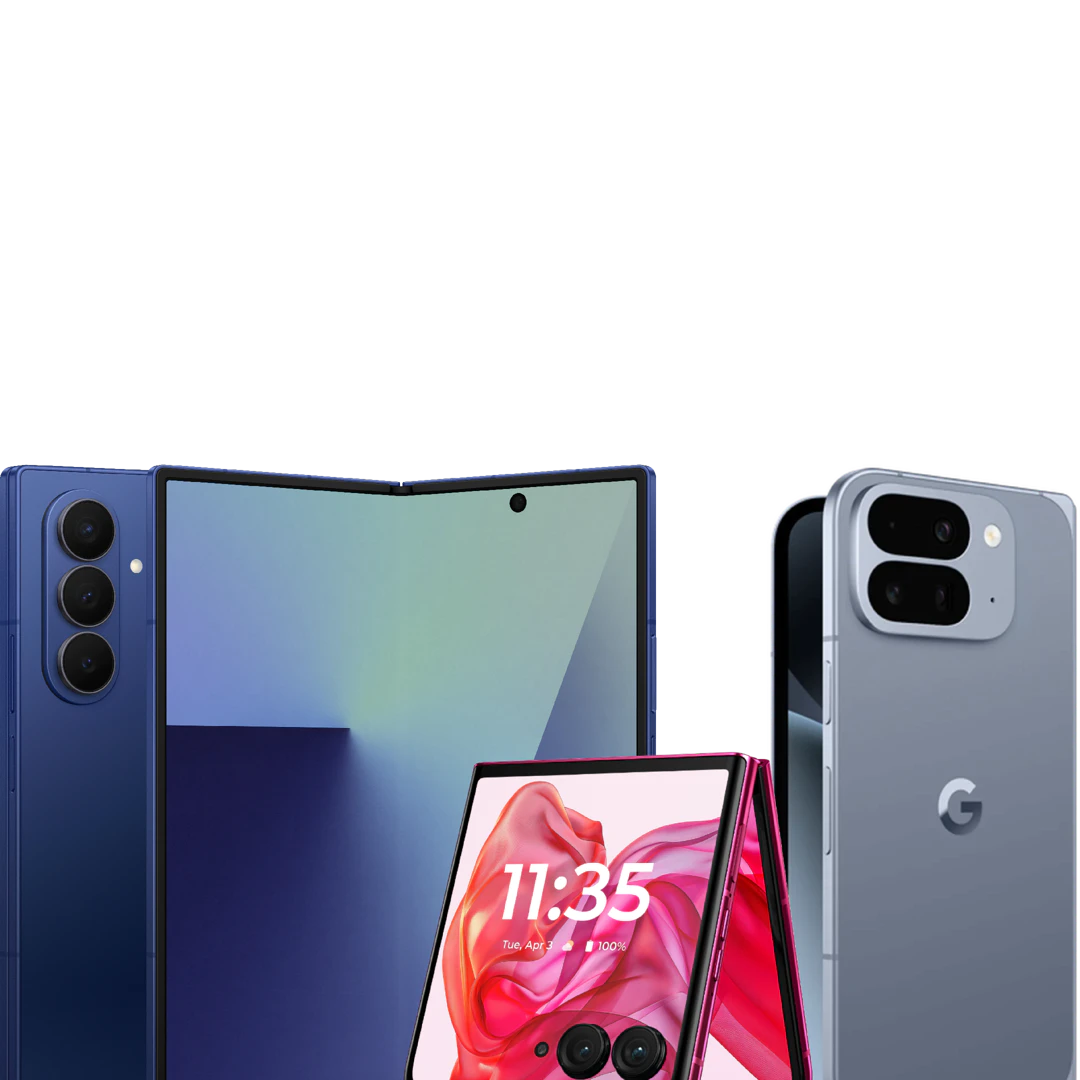
Need a foldable phone? Here are the foldables from the brands that sell them in the Netherlands. We compare prices by model across the retailers that sell the device, without favoring any particular store or brand; click on a device to see the available models and current prices.
4 products
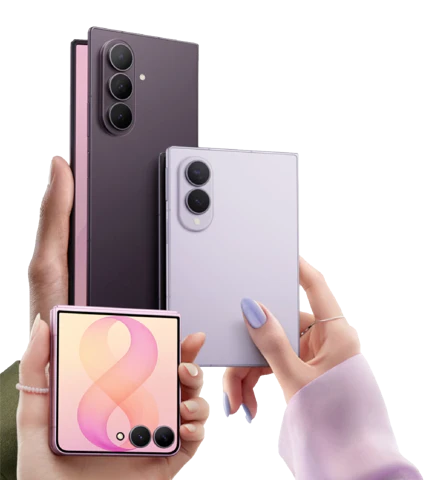
Samsung Galaxy Z models
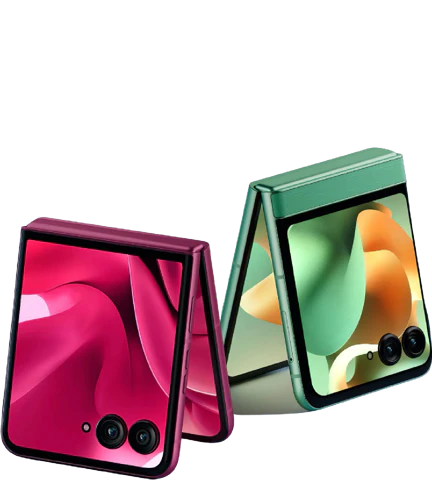
Motorola razr phones
16 products
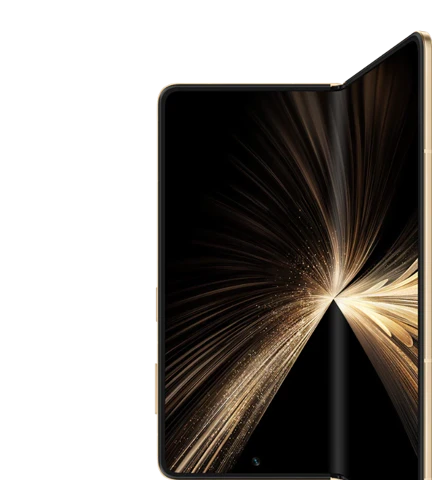
Bookstyle Foldables
All foldables
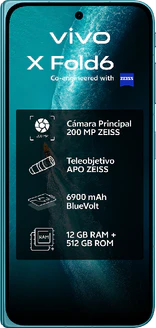
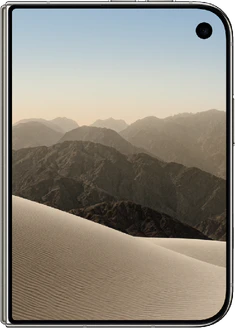
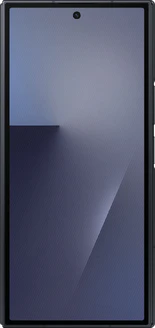
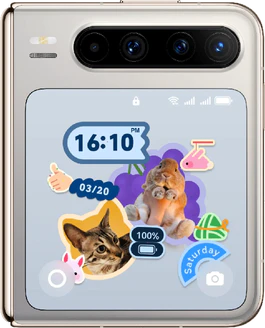
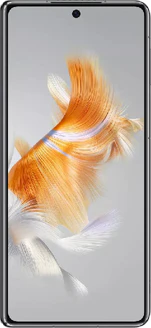
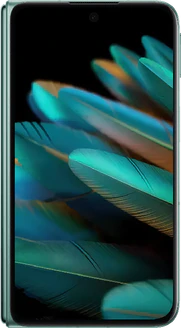
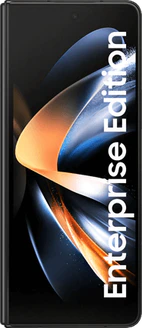
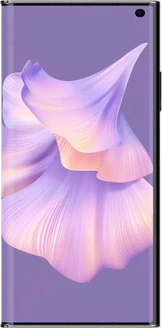
Which foldable phone is right for you?
A foldable screen bends without breaking because its top layers are flexible—and therefore softer than the glass on a regular phone. That single difference explains virtually all of the pros and cons listed below. The available models come in two forms: the book-style model that opens up to tablet size, and the clamshell model that folds up small enough to fit in a jacket pocket.
How do foldables really differ?
- Book-style model: When unfolded, it’s a small tablet capable of running two apps side by side, as well as documents and video. When folded, it’s thicker and heavier than a regular phone, and falls into the highest price range in this overview.
- Flip model: when unfolded, a regular phone; when folded, a small square that fits in any pocket. Significantly more affordable than a book model, usually without a telephoto lens.
- Fold line and hinge: not every device closes just as flat, and the fold isn’t equally visible everywhere; this varies by manufacturer and generation.
- Dust and water resistance: most foldables are water-resistant, but how well the hinge keeps dust out varies by model. The IP rating is listed in the specifications: the first digit refers to solid particles, and the second to water.
What the foldables in this overview have in common: they’re all fast enough for everyday use. So you don’t need to base your choice on that. How long a model receives software updates does vary by brand, and that timeframe is listed on the device’s specifications page.
Choose a book-style model if you read, multitask, or watch videos often—it’ll save you from having to buy a tablet.
Choose a flip phone if you mainly want a smaller phone, or if you want to try the foldable design for the first time.
Choose a regular smartphone if thickness, weight, and a non-folding screen are more important to you than the unique form factor.
The Honest Drawbacks of Foldables
On the soft surface of a foldable screen, pressure from a fingernail or a grain of sand is more likely to leave a mark, and replacing such a screen is the most expensive repair in this category. Of all the components, the hinge has to handle the most movement. If you’re unsure whether a foldable design is right for you, our selection guide can help you weigh your options.
Which brands make foldable phones?
Samsung has the widest presence in the Netherlands, with the Galaxy Z Fold as a clamshell model and the Galaxy Z Flip as a flip model. Honor, Oppo, Xiaomi, and Motorola also make foldable phones, with the Magic V, the Find N, the Mix, and the razr. Not every model is available in the Netherlands; the models available here are listed in the overview above this text.
How long have foldable phones been around?
Foldable phones have been around since 2019, when the Samsung Galaxy Fold—the first foldable from a major manufacturer—hit the stores. Manufacturers had been working on flexible screens for years prior to that. Samsung researched them under the name Youm and initially released devices with a permanently curved screen, such as the Galaxy Round. LG did the same with the G Flex. Those screens later reappeared primarily as the curved edges of the Edge models, which were not flexible themselves.
Samsung postponed the launch of the Galaxy Fold after the screens on a few test units broke within a few days. Since then, the hinge has been one of the components that distinguishes one generation from the next.
