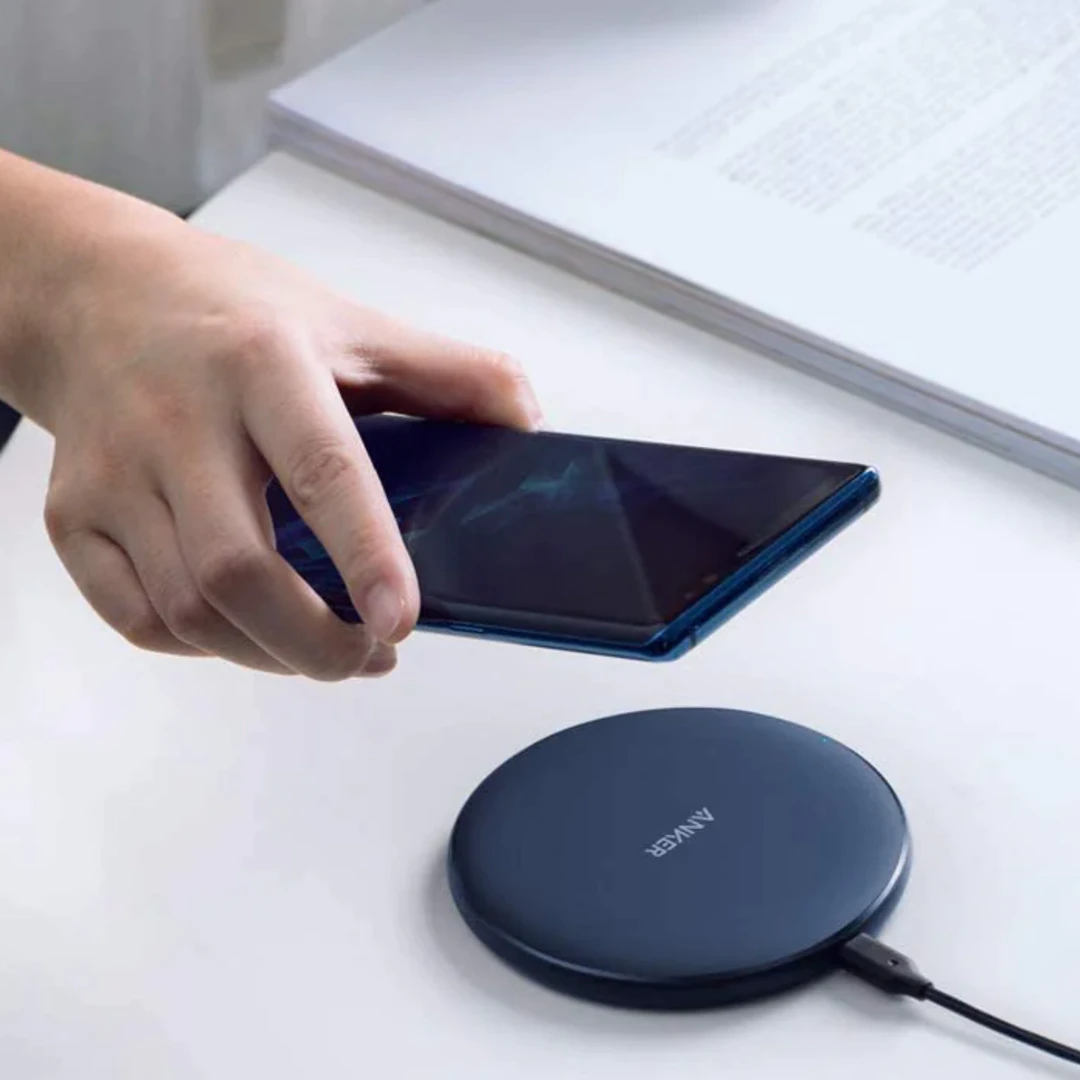
Compare Phones with Wireless Charging
Wireless charging is convenient: you just set the device down and it charges, without having to search for the port in the dark. This overview lists wireless-charging-compatible phones, and the difference isn’t whether they support it, but how fast they charge and which standard they use. We don’t earn more from one brand or device than another, so the order doesn’t reflect our preference. Use the filters to narrow down the list to what you’re looking for.

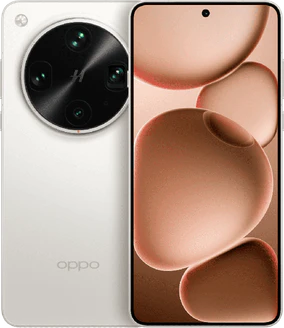
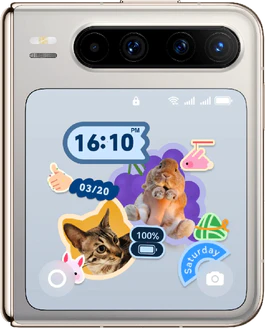
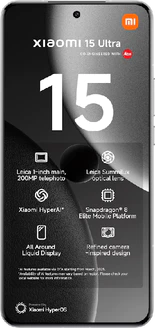
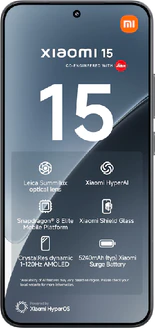
What should you look for when it comes to wireless charging?
The standard and the power output together determine whether your charger will snap into place magnetically and how long it will take to fully charge the battery. So start by asking yourself whether wireless charging will become your primary charging method or just an added convenience.
How do wireless charging phones really differ?
The options listed above vary in these areas.
- Qi or Qi2: Qi2 uses magnets to pull the phone precisely onto the coil. This prevents disconnection and power reduction due to heat; the higher power limit comes from the Qi2 25W variant.
- Power: These differences determine whether you can fully charge a dead battery in one evening or in a few hours, and whether it makes sense to top it off in between.
- Magnets in the phone or in the case: devices labeled “Qi2 Ready” draw power from the magnets in an approved case rather than from the phone’s body.
- Wired fast charging: if you want it fast, look to the cable; wireless charging lags behind wired charging across all brands.
Virtually every device in this overview charges according to the Qi standard, so a standard Qi charger will work. The choice comes down to speed, magnets, and whether you use wireless charging as your primary method or as a secondary option.
Choose a device with Qi2 and magnets if wireless charging will be your primary charging method, such as on your nightstand or in the car.
Prioritize wired charging power if you mainly want to charge quickly; see the phones with fast charging.
Be sure to check for reverse charging if you want to charge your earbuds or smartwatch using your phone.
Qi, Qi2, and Qi2 Ready
Qi is the standard set by the Wireless Power Consortium and has been the only one that really matters for phones for over fifteen years. In 2023, Qi2 was introduced: the same induction technology, but with permanent magnets around the coil that precisely align the device. This magnetic technology comes from Apple, which made MagSafe available to the consortium. In July 2025, a faster variant followed, called Qi2 25W, which increased the maximum power from 15 to 25 watts.
There is also the “Qi2 Ready” label. This is intended for devices without magnets in the casing: the phone is certified together with an approved magnetic case, thereby ensuring proper alignment and compatibility with magnetic accessories. Some brands build the magnets into the device itself, while others opt for this approach—and this varies by generation.
The former competitor PMA no longer plays a role. That organization merged into the AirFuel Alliance in 2015, and the standards battle ended when Apple chose Qi in 2017. AirFuel now focuses on remote power for wearables and sensors, not on phones. Wireless charging therefore remains limited to a mat or stand: a phone that charges while moving around the room doesn’t exist, nor does a device without a charging port, since European regulations require a USB-C port.
Is 15 watts enough, or do you need 25 watts?
That depends on when you charge, not how much power you use. If your phone sits on the nightstand overnight, the power output is virtually irrelevant: the battery will be fully charged by the time you wake up anyway. In that case, prioritize magnets and a charger that stays in place, not the power output. If, on the other hand, you’re charging on the go—at your desk or in the car—you’ll definitely notice the difference between 15 and 25 watts, and power output becomes a real deciding factor.
How fast is wireless charging?
Slower than wired charging, regardless of the brand. The fastest wireless standard delivers 25 watts, and recent devices from Apple and Google reach that level, while smaller models from other brands are still limited to 15 watts. When wired, the charging speeds for those same devices are significantly higher. Some Chinese brands also offer wireless charging above 25 watts, but only with their own protocol and their own charger, outside the Qi standard. So expect a full wireless charge to take longer.
How much electricity wireless charging consumes
This is the side of the story that’s missing from the ads. In a test by iFixit, the same iPhone used about a quarter more power with a magnetic charger than with a cable, and with a cheap mat featuring poorly aligned coils, that figure more than doubled. An earlier measurement on a Pixel, described by Engadget, showed an increase of about forty percent, rising to eighty percent when the device was positioned at an angle. The rule of thumb: expect roughly a quarter to forty percent more power consumption, and much more if the device isn’t positioned correctly.
That makes the charger itself a factor in your choice. A wireless-charging phone comes without a charging pad, and with most brands, even without an adapter, so you’ll need to buy a charger separately. That’s precisely where the difference lies between an extra quarter of the power and double the power: a pad with well-aligned coils or magnets eliminates the biggest source of energy loss.
Is it worse for your battery?
There’s no evidence to support that, but there is one point to consider. The energy loss during wireless charging is released as heat, and heat accelerates battery degradation. Apple specifies 16 to 22 degrees as the ideal ambient temperature and throttles charging as soon as the device gets too hot. We couldn’t find any publicly available comparative lifespan tests between wireless and wired charging, so it’s not appropriate to make definitive statements here. Practical advice: enable the built-in charging limit, avoid wireless charging in direct sunlight or while the device is in a thick case, and use the cable for a full charge.
Reverse wireless charging
Many devices can also share power: Samsung calls this Wireless PowerShare, Google calls it Battery Share. The power output is low—4.5 watts for Samsung—so it’s intended for earbuds, a smartwatch, or a smart ring. Charging another phone does work technically, but it’s disproportionately costly: in a test by Android Police, it took nearly an hour and a half to transfer 38 percent of the charge to the other device, while the charging device itself lost 61 percent of its charge. Not every device with wireless charging has this feature, so keep that in mind if you’re specifically looking for it.
Case, Metal, and Placement
A standard plastic or silicone case that’s a few millimeters thick can stay on. What doesn’t work: a thick case, a case with a card holder or magnetic strip, or metal between the phone and the charger. A solid metal back panel blocks charging, which is why the back of a wireless-charging device is made of glass, plastic, or ceramic. A non-metallic window above the coil is acceptable: the Pixel 5 had an aluminum body with such a cutout. The placement also determines the efficiency, as a deviation of just a few centimeters significantly reduces power transfer.
