Compare Huawei Phones
Huawei phones—compare them here by specs and price—but the most important question on this page isn’t about the hardware: the newer models don’t come with Google services, and you’ll notice that more in everyday use than you will which camera lens is on the back. Below, you can read what that means in practice, so you know what you’re getting into. We don’t sell anything ourselves, and we don’t earn more from one brand than another: you’ll see the prices from all providers side by side for each model. Use the filters and click through to the model that appeals to you.





Which Huawei is right for you?
Start with the model year, not the specs. That distinction cuts right through this overview and matters more than which chip or camera it has. Only then does the choice between the series become interesting.
How do Huawei phones really differ?
- Year of manufacture: devices from before fall 2019 still have the Play Store and Google apps; starting with the Huawei Mate 30, Huawei ships devices without Google services.
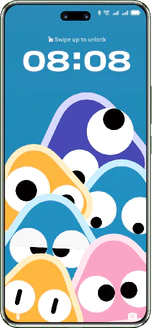
- Series: the Mate series is the largest and most high-end line, the Pura series emphasizes photography, and the nova series is positioned below that.
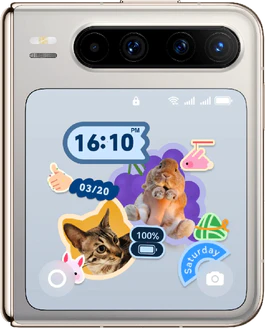
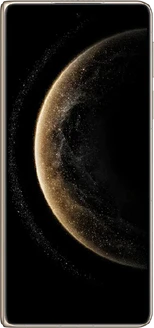
- Design: in addition to classic rectangular devices, the lineup includes foldable models, ranging from a book-style model like the Huawei Mate X7 to a clamshell model like the Huawei nova Flip.
- Price range: the nova series is the entry-level option in this overview, the Pura series is positioned above it, and the foldable models are the most expensive.
- Network: older models in this overview support 5G; the newer generations sold here operate on 4G.
What the devices in this overview have in common is the focus on build quality and the camera: that has been a constant at Huawei over the years, even in the more affordable series. So you’re not choosing based on build quality here, but on the software underneath and how much phone you actually need.
Choose a Huawei if you value the design, camera, and build quality more than the convenience of Google apps, and you want to manage your apps through AppGallery and Petal Search.
An older model still has the Google apps, but in practice, it no longer receives security updates. That’s not a device you’d want to use for banking.
Check your apps first if you do daily banking or use work apps. If such an app isn’t available in AppGallery, a Huawei is a poor choice.
No Google services: what does that mean?
Newer Huawei devices don’t come with the Play Store, Gmail, Google Maps, or the YouTube app. Huawei offers its own alternative: Huawei Mobile Services (HMS), which includes the AppGallery app store, Petal Maps for navigation, and Petal Search to find apps not available in AppGallery. Many major apps can be installed this way, but not all of them. For example, ABN AMRO itself states that its banking app does not work on devices without Google services, including the new Huawei models. Services that come pre-installed as Google apps on a phone—such as Google Wallet for contactless payments and Android Auto in the car—are also unavailable.
This means the selection process is the reverse of what you’re used to: first, check whether the apps you use every week are available, then choose the device. When it comes to banking and apps that require Google Play, this is no mere formality.
Why do the newer models here only have 4G?
The newer Huawei phones sold here only list 4G bands in their specifications; 5G is listed in this overview for the older generations. The reason is a U.S. measure from August 2020, which prevents Huawei from having unrestricted access to chips made with U.S. technology. Outside of Europe, Huawei is now once again selling 5G devices with its own chips, but those aren’t officially available in stores here. For making calls, streaming, and navigation, 4G is more than sufficient in the Netherlands, but if you specifically want a 5G device, be sure to check the model’s year of manufacture.
Updates and Support
Huawei releases security updates every month for its current devices and publishes a monthly bulletin about them. Huawei does not specify a fixed number of years for this, whereas some brands do promise a timeframe—six or seven years, for example. For phones released in the EU on or after June 20, 2025, there is a legal requirement for at least five years of security updates after a model is discontinued. Older models in this overview are not subject to this requirement, so be sure to check the model’s year of manufacture.
Huawei at a Glance
Huawei Technologies is a Chinese company that, in addition to phones, primarily manufactures network equipment for telecom providers, and for many years it was one of the world’s largest phone manufacturers. Since 2019, its phone division has been rebuilt around its own software and services, which explains most of the differences on this page.
