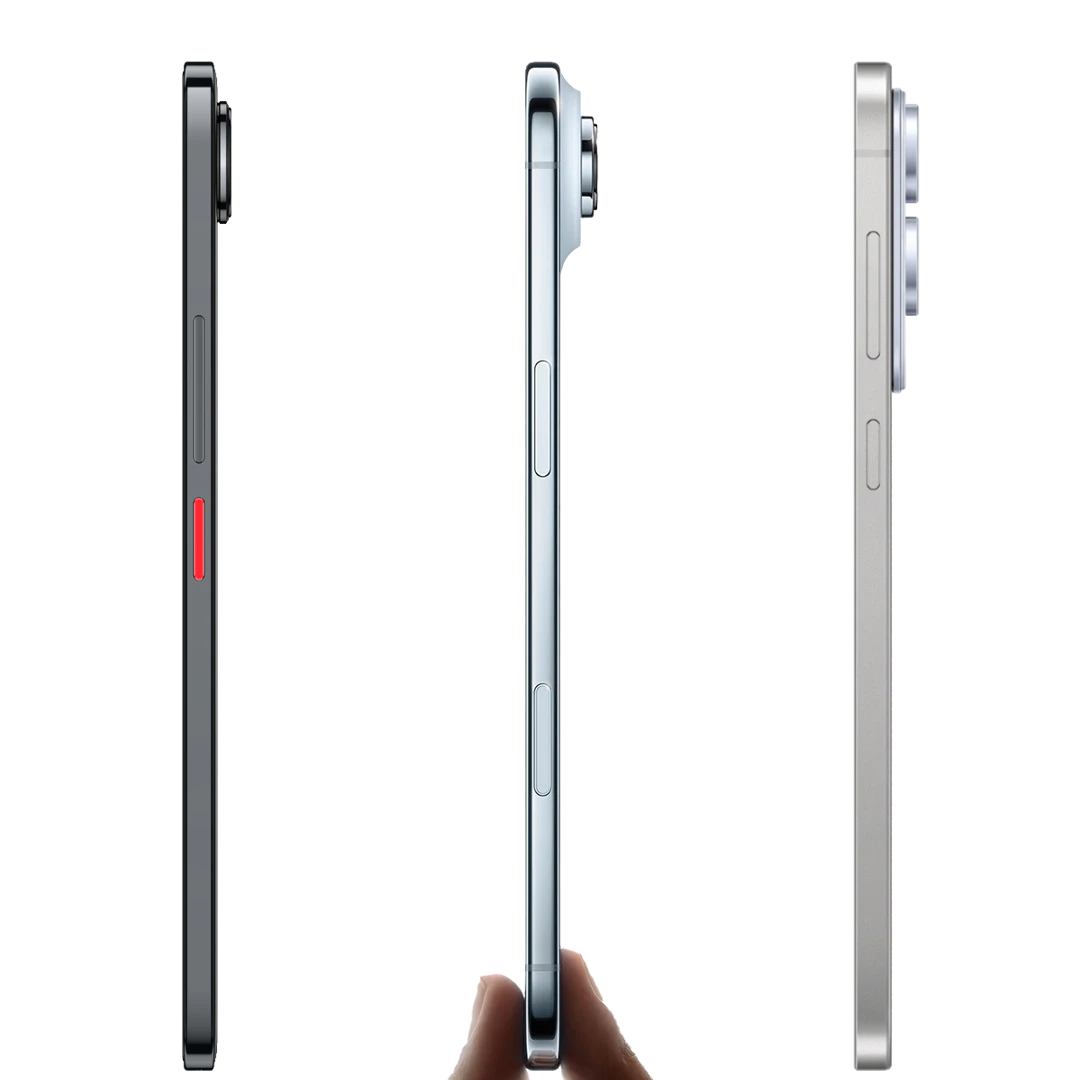
Ultra-thin phones
Are you looking for an ultra-thin phone? Here’s a roundup of the slimmest phones in our selection. Thin isn’t just about looks: a slim phone takes up less space in your pocket and feels different in your hand, but those millimeters come at a cost. Read below the overview to find out exactly what you’re giving up—and why it’s not as big a deal as you might think these days. We provide independent comparisons and show current prices for each model, so use the filters to narrow down your choices.
What should you look for in an ultra-thin phone?
With a thin phone, it’s all about weighing the trade-offs: what are you sacrificing for those few millimeters? Thickness, weight, battery capacity, and camera quality are all interconnected, though that relationship isn’t as strict as it used to be. Those who understand this can make a more informed choice than those who only focus on the numbers in the specs.
What you sacrifice for thinness
For a long time, the rule was: the thinner the phone, the smaller the battery. With newer battery technology, such as silicon-carbon (Si-C) batteries, more capacity can fit into the same space. How much of a difference this makes in practice varies by model, so compare the listed capacity in mAh in the overview rather than relying on thickness alone.
One thing that remains true, however: camera modules and speakers require depth. A thin phone typically has fewer cameras, and the sound from the speaker often sounds flatter. There’s also less room for heat dissipation, so during heavy use or fast charging, a slim device is more likely to lose performance.
Considering Thickness and Weight Together
Thin doesn’t mean light. A slim phone with a glass back and a metal frame can feel heavier than a thicker plastic model. So pay attention to both thickness and weight, and consider how you use your phone: a large, thin phone lies flat in your pocket, but still requires two hands to handle. Also look beyond the listed thickness, because a camera bump that protrudes above the body affects how the phone lies on a table.
Durability and Protection
Less material doesn’t automatically mean a more fragile device, but don’t rely solely on what the manufacturer promises. Check the specifications: the listed type of protective glass and the dust and water resistance according to the IP rating. Also keep in mind that a protective case immediately negates some of the millimeters gained.
Choose an ultra-thin device if you mainly carry your phone in a pants or jacket pocket and charge it at home. That’s when you’ll really notice the difference.
Look further if you spend a lot of time on the go, shoot a lot of video, or play games. A thicker device offers more battery capacity, better cameras, and more space for heat dissipation.
Similar filters
If you’re mainly looking for a device that’s easy to handle, “thin” isn’t necessarily the best starting point. These filters are closely related.
- Compact smartphones: smaller in size and therefore operable with one hand
- Phones with long battery life: the opposite, where battery capacity takes priority over slimness
- Book-style foldables: very thin when unfolded, slightly thicker than average when folded
- Foldables: all foldable devices combined, from book-style to clamshell models
