Compare the Apple Watch Series 12
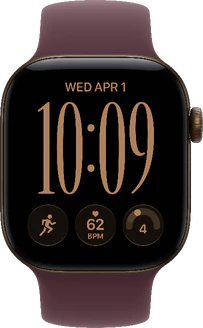
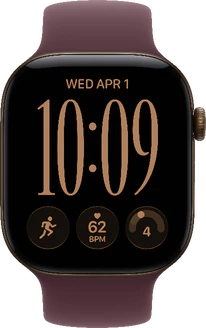
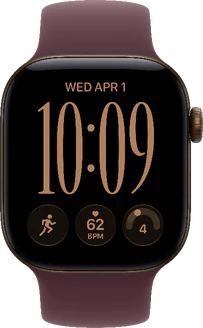
The Apple Watch Series 12 is the all-around model in Apple's watch lineup, and this page compares the different versions side by side. The models do not differ in features; you choose a case size and a connection type, and then select the finish on the product page. For each model, you’ll see the specifications and the prices listed by participating retailers. We provide independent comparisons: we don’t earn more from one brand or model than from another. If a model is listed as expected soon, it hasn’t been released yet and you won’t see any retail prices listed; the overview below is always the most up-to-date.
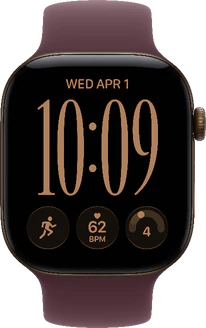
Which Apple Watch Series 12 is right for you?
The hardware in this generation remains largely unchanged; the progress lies in what the watch does with its measurements. That makes choosing easy: first, decide on the case size—42mm or 46mm—and then whether the watch needs to be able to connect to a mobile network on its own. The sensors, display, chip, and battery life are the same across all models. If you’d like to compare the entire lineup side by side, check out the Apple Watch Series page.
How do the models differ?
In two aspects you choose here, plus the finish you select on the product page.
- The case size: choose between the Apple Watch Series-12-42mm and the Apple Watch Series-12-46mm, available in aluminum and titanium; the ceramic versions are 43mm or 47mm. The larger screen displays more lines of text and is easier to read on the go; the smaller case stays within the edges on a narrow wrist and feels less tight at night.
- The cellular connection: the models listed as 4G in our overview, such as the Apple Watch Series-12-4G-42mm, allow you to make calls, send messages, and stream content without an iPhone nearby, using 4G and, where available, 5G. They cost more and also require an eSIM plan from your carrier.
- The finish: Apple offers the Series 12 in aluminum, titanium, and ceramic. This doesn’t change what the watch can do; it’s about weight, scratch resistance, and appearance.
The models side by side
| Model | Case size | Standalone cellular connection | Price range* |
|---|---|---|---|
| Series 12 42mm | 42mm | No | € |
| Series 12 46mm | 46mm | No | €€ |
| Series 12 4G 42mm | 42mm | Yes | - |
| Series 12 4G 46mm | 46mm | Yes | - |
*Relative price indication within this series: more € symbols mean a higher price. Models that haven’t been released yet don’t have a retail price and are therefore marked with a dash. See the overview above for current prices.
What all models have in common
So you don’t need to pay attention to this when choosing. Every Series 12 has the same S11 chip (the Series 11 still used the S10), 64 GB of storage, the same always-on display that, according to Apple, peaks at 2,000 nits, and the same battery life: 24 hours with normal use, up to 38 hours in power-saving mode, and up to 10 hours during an outdoor workout. Every model also includes the full set of health features, including high blood pressure alerts, which Apple also lists on its Dutch website. According to Apple, the case is water-resistant up to 50 meters and dust-resistant per IP6X.
Choose the 42mm if you have a narrow wrist or plan to wear the watch at night for sleep tracking.
Choose the 46mm model if you frequently reply to messages or want to check your metrics while exercising without having to strain your eyes.
Choose a model with standalone connectivity if you regularly go out without your phone but still want to stay reachable.
What’s different from the Series 11?
The screen, case dimensions, battery life, and water resistance remain the same. The difference lies in the monitoring system: Apple has installed different optical and electrical sensors that measure your heart rate every five seconds and your heart rate variability every five minutes. These measurements feed into the Readiness app, which estimates daily how much your body can handle. The chip has been upgraded to the S11; you won’t notice much of a difference in everyday use—it’s mainly there to power those new features. Ceramic also returns as a finish, alongside aluminum and titanium.
Is the Series 11 still a good choice?
For many people, yes. You’re mainly giving up the new measurement system and the Readiness app, while the screen, case size, and battery life remain the same. As soon as a new generation hits the stores, the price of the previous model usually drops, which makes the Apple Watch Series 11 a sensible choice if you use the health metrics mainly as a guideline rather than as a daily coach. If price is your main concern, also check out the Apple Watch SE 3; if you’re looking for longer battery life and a sturdier case, the Apple Watch Ultra is the next step up.
What the Series 12 Requires of You Every Day
Twenty-four hours sounds like a full day, but there’s no buffer: the watch needs to be charged every day. If you wear it at night to track your sleep, you’ll need to schedule a specific time for charging—for example, while showering or cooking. The Series 12 is also tied to a single phone. You can only set it up using an iPhone, and if you switch to Android later, you won’t be able to pair the watch anymore.
Which finish will you choose?
The aluminum case is the lightest and most affordable; it’s perfectly adequate for everyday use, and according to Apple, it features Ceramic Shield 2 glass. Titanium weighs more, is more scratch-resistant, and looks more polished with formal attire. Ceramic is the farthest in appearance from a sports watch. The titanium and ceramic models feature sapphire glass on the front instead of Ceramic Shield 2. The choice doesn’t affect the features: the sensors, display, and battery life are the same for all three. The differences lie in weight, scratch resistance, and—for the ceramic model—case size. You can see which finishes and colors are available on the product page for each model.
