Xiaomi 18 Pro Hands-On: Huge Battery, Disappointing Privacy Screen
Our first impressions of the privacy screen, the large battery, and the surprising interior
The Xiaomi 18 Pro arrived at our office yesterday, and we can't wait to share our first impressions with you! How does the device feel in your hand? Does the rear display look attractive? Does the privacy screen impress?
Of course, a detailed review will follow later, so we won’t go into too much depth here for now. We’ve received the Chinese version of the Xiaomi 18 Pro; according to Xiaomi, the global version is coming later this year. That does mean we have the version with the larger 7000 mAh battery (the European version is expected to have 6000 mAh) and that support for the 5G n28 band is missing. The charger doesn’t have a European plug, but the importer does include a travel adapter. And also important: Dutch is not available as a default language.
In the box and in hand
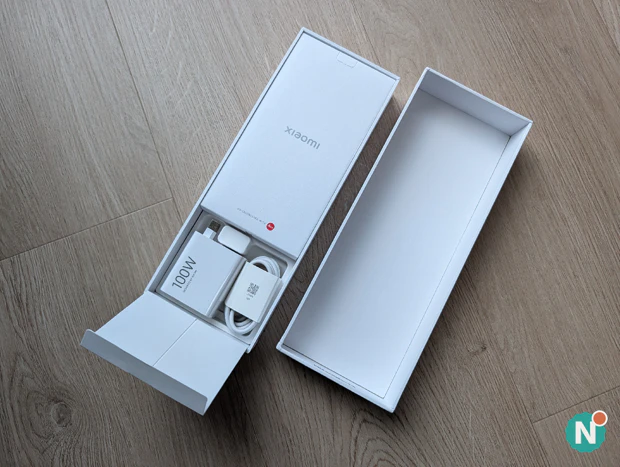
The strikingly elongated box contains a 100W charger with a USB-A port, a USB-C charging cable, a matte transparent protective case, and some documentation. The device comes factory-equipped with a screen protector on both the front and back.
We have the blue version, also known as Starry Blue. It features a sparkling speckled finish and a glossy coating—making it a real fingerprint magnet. Other color options include Black, White, and Pink, each with a matte finish. There’s also a striking red Transparent Edition, which is also the most expensive.
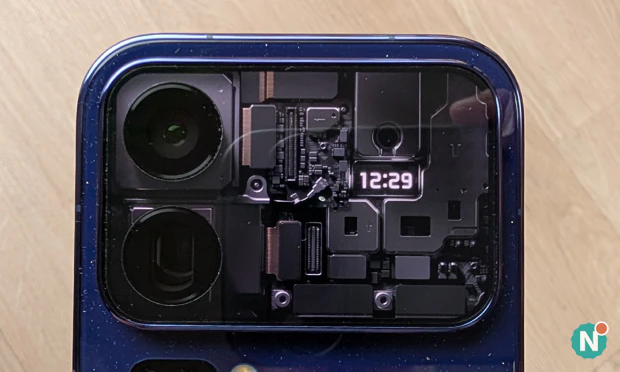
The Xiaomi 18 Pro doesn’t look much different from the 17 Pro, still featuring a rear display on the camera module. That display has gained more features, however, making it more useful. Xiaomi still draws heavily from competitor Apple, which is evident in the naming, the design, and the software.
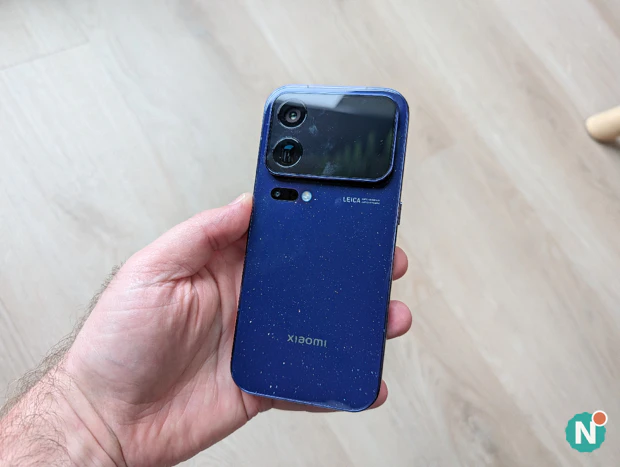
The weight of the Xiaomi 18 Pro feels just right—not too heavy, but certainly not light. At just over 200 grams, it’s significantly heavier than the Galaxy S26, which weighs 167 grams. Xiaomi has a good excuse for those extra grams: the 7000 mAh battery and the rear display naturally add some weight.
The build quality looks good; nothing creaks, and there are no sharp edges anywhere. What immediately stands out are the thin screen bezels. We had trouble removing the screen protector because we could barely get our fingernail under it. We aren't imagining those thin bezels; Xiaomi claims to have reduced them to 0.99 millimeters. The brightness is more than adequate, and just like with Samsung, you can adjust the vibrancy in the software.
Rear screen and software
The rear screen starts with a tutorial right out of the box; since you control it using gestures, Xiaomi wants to make sure you learn them all before you start using it. There are more features this year, which explains a lot. For example, you can now create your own apps using AI. Xiaomi has also pre-applied a screen protector to this screen for you.
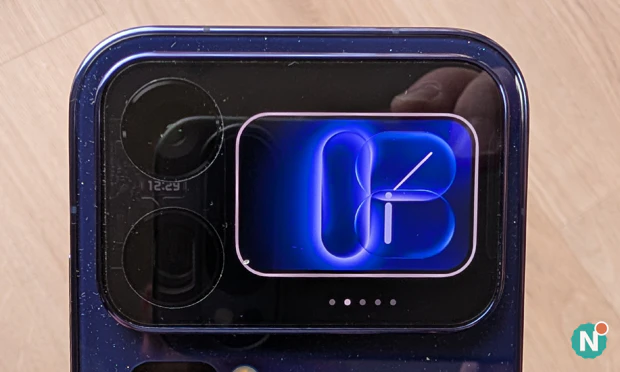
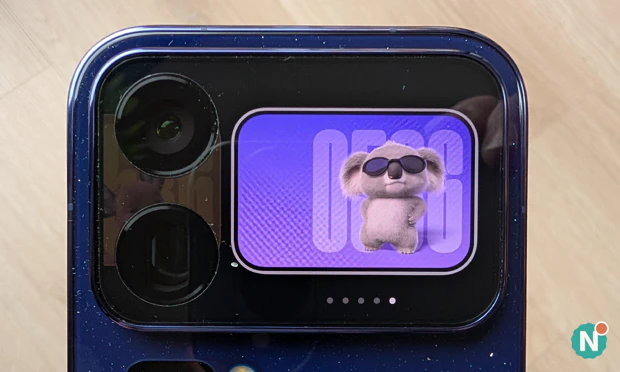
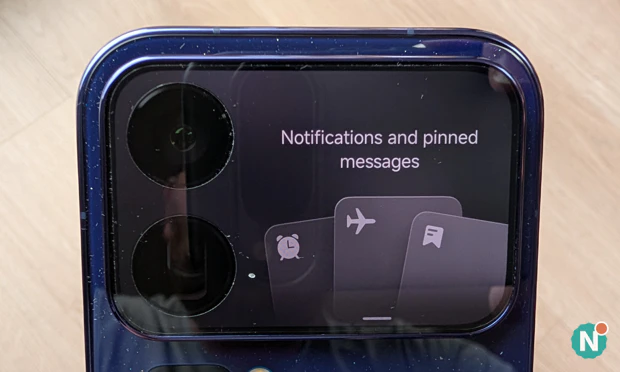
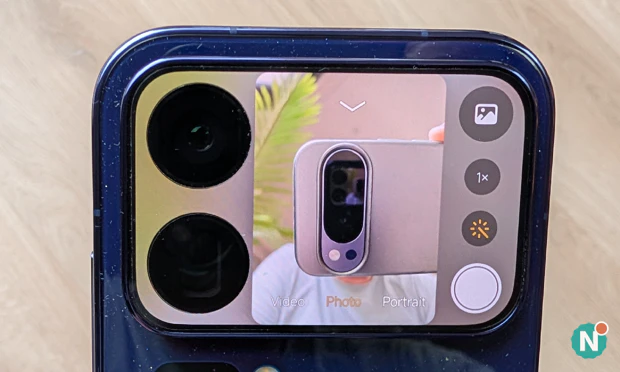
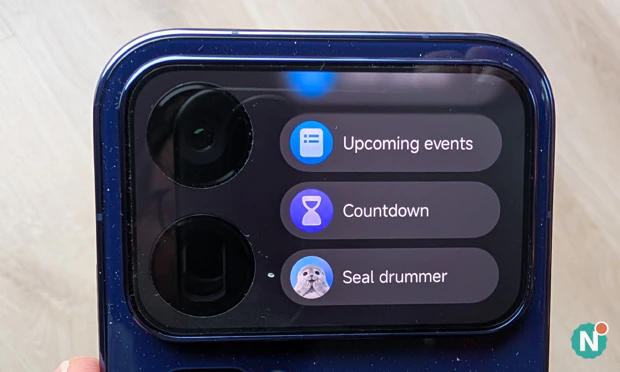
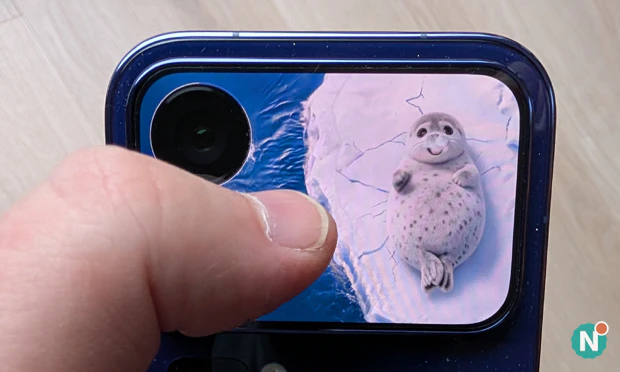


Once we boot up the Xiaomi 18 Pro, we select English as the language and start by downloading the Play Store from Xiaomi’s own app store. Next, you download Gboard for a full-featured QWERTY keyboard, and you can then use the phone “normally.” The software closely resembles iOS with Liquid Glass, and even the lock screen is largely based on it. As we’ve come to expect from Android, you can customize many features to make it your own.
The privacy screen is a letdown
Curious as we were, we immediately checked out the privacy screen. Following Samsung’s lead, Xiaomi is now also bringing a privacy screen to its phones. It prevents unwanted peeking by reducing the viewing angle. The advantage of the Xiaomi is that it can automatically activate this feature as soon as it detects a second pair of eyes. Perhaps our expectations were too high, but we found it underwhelming in practice. While the viewing angles do narrow, the screen is still readable from an angle.
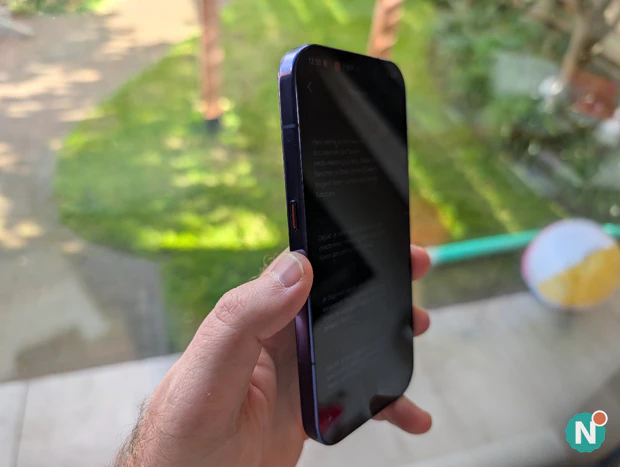
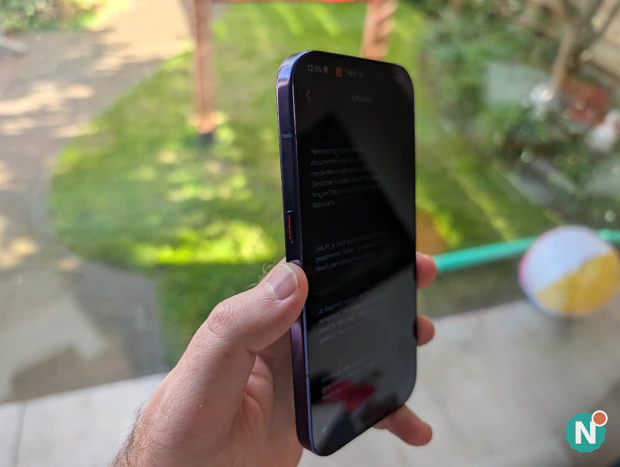
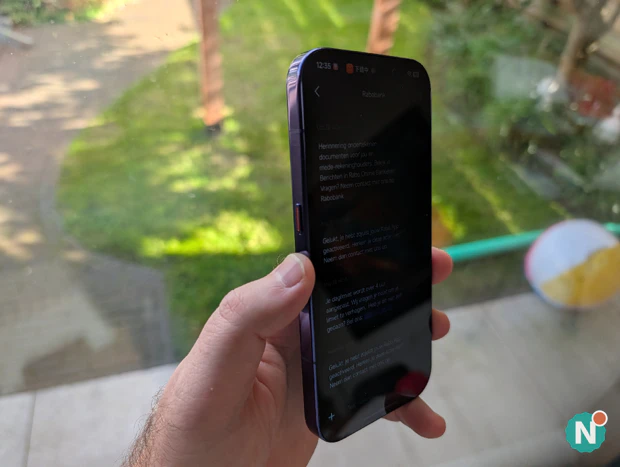
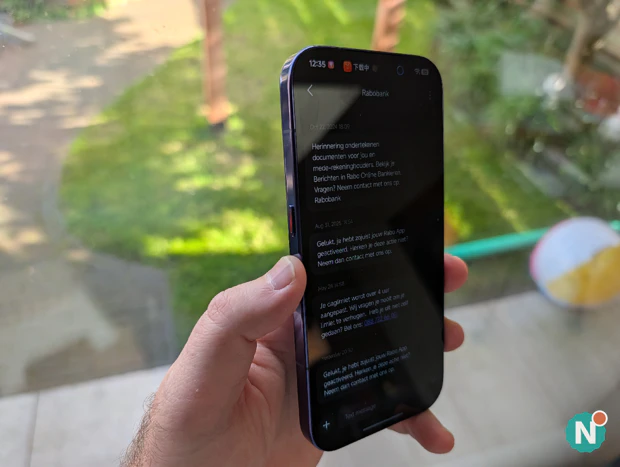
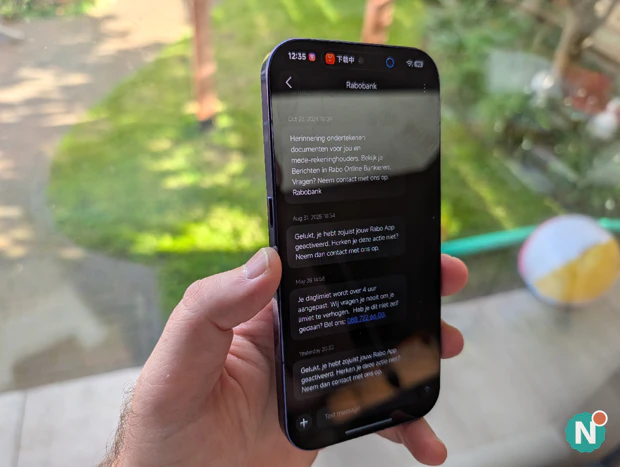


Even with the privacy screen on, the text remains readable from an angle
Furthermore, image quality suffers significantly in that mode. You can really see that some pixels are no longer active, making the image grainier. When the privacy screen is off, you don’t experience this issue. The screen then looks sharp, even next to our Pixel 10 Pro, which has a significantly higher pixel density. We’ll need to dive deeper into this in the review.
Vibration motor, battery, and speed
The biggest surprise so far, however, was something completely different—something small. After turning it on, we were almost startled by the powerful vibration motor. Not literally, but the linear vibration motor (type 7514) is so powerful that it’s hard to miss. Xiaomi claims it’s 75% more powerful, though Xiaomi doesn’t specify what this figure is compared to. But it’s clear that the 7514 makes its presence felt.
Time to plug in the Xiaomi 18 Pro. Though that wasn’t urgent, because the 7000 mAh battery just kept going. For example, after charging overnight, the battery was still at 92% around noon—even with quite a bit of use in between. Charging is accompanied by a fun animation that shows just how fast it’s charging, with the percentage visibly rising. We haven’t tested wireless charging yet, because all the chargers in the office have magnets—and that’s exactly what the Xiaomi 18 Pro doesn’t have.
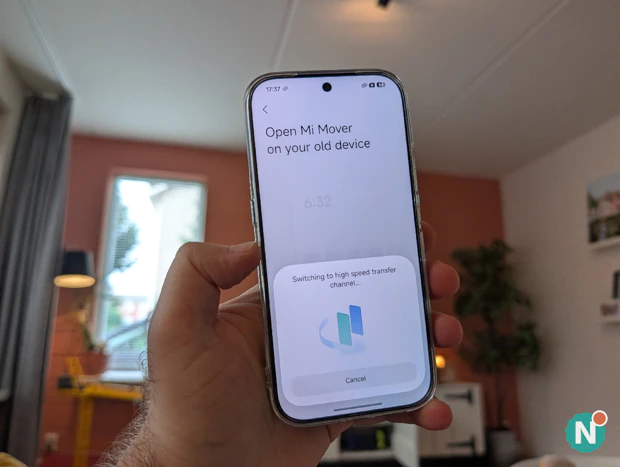
Another thing that stood out was how cool the device stayed while transferring many gigabytes of data from our previous phone and updating to the latest software version. This suggests that the Snapdragon 8 Elite Gen 6 chip is working efficiently, though the review will have to show how it holds up under prolonged stress. In everyday use, apps launch lightning-fast, and animations run smoothly without any interruptions.
Import or wait?
In the meantime, we’re hard at work putting together a full review for you. In it, we hope to tell you more about the camera, the battery life over a full week of use, and whether we encounter any issues with our Chinese model. We hope to publish this review here on NieuweMobiel.NL soon.
If you don’t want to wait, you can already import the Chinese version via the listing on our website. In China, the Xiaomi 18 Pro starts at 5999 yuan—about 720 euros—and, as of this writing, importing it will cost you around 860 euros. For that price, you get the larger 7000 mAh battery, but you’ll have to do without 5G on the n28 band and Dutch language support. Also keep in mind that you’ll need to contact the seller for warranty service, not Xiaomi Netherlands.
You could also wait for the European version, which, according to Xiaomi, is coming later this year. A price hasn’t been announced yet, but it probably won’t be cheap. The Xiaomi 17 Ultra cost 6999 yuan in China and sold for 1499 euros in Europe. If the 18 Pro follows a similar price trajectory, you’ll likely end up paying hundreds of euros more for the European version than for an imported model—all while getting a smaller battery in return.