
Compare phones with long battery life
Need a cell phone with a Large battery? Here you'll find all phones with a battery capacity of 4000 mAh or more that are available in the Netherlands. For each device, you’ll see prices from all providers side by side, so you can compare Long battery life options without having to visit stores yourself.
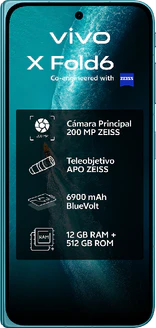
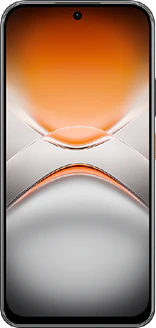
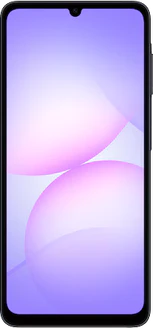
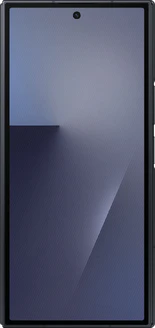
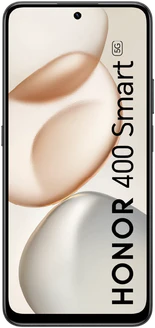
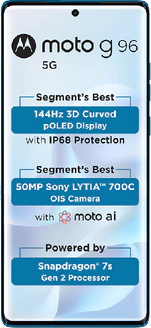
A phone battery’s capacity is measured in mAh (milliampere-hours): the higher the number, the more energy it holds. This list filters by capacity, starting at 4000 mAh. That’s just the starting point, because how long a phone actually lasts also depends on the screen and the processor. Below, you’ll find out what else to look for.
Which phone with long battery life is right for you?
Capacity is just one of the four factors you should consider when comparing these devices.
How do phones with large batteries really differ?
- Capacity: in mAh—and that’s just the starting point, not the end result.
- Screen and energy efficiency: a large, bright screen with a high refresh rate eats into the benefits of a large battery. An energy-efficient chip, on the other hand, restores those benefits.
- Charging speed as a safety net: if you can top it off during the day, a fast charger carries just as much weight as a large battery. See the phones with fast charging.
- Weight and thickness: you can feel a larger battery in your hand and in your pocket.
What you don’t need to worry about as much: most devices in this overview last a full day with normal use. So your choice comes down to those demanding days, how much extra weight you’re willing to carry for them, and whether you’ll have access to a power outlet in between.
Choose the device with the largest battery if you do a lot of navigation, video recording, or gaming, or if you’re often without access to a power outlet for an entire day.
Choose an energy-efficient device with a smaller screen if weight and size are more important to you than an extra hour of battery life.
Choose fast charging as a backup if you pass by a power outlet every day anyway.
Why batteries are getting bigger without making the phone thicker
Manufacturers are increasingly using batteries with a silicon-carbon anode instead of graphite alone. This technology stores more energy in the same volume. As a result, greater capacity no longer automatically means added thickness and weight, and devices that would have become thicker just a few years ago now remain slim. So don’t just compare based on mAh—compare by weight as well, because those two factors are no longer automatically linked.
Tips for saving battery life
There’s a lot you can do yourself to make your battery last longer. The biggest energy drain is the display, so the less time you keep the screen on, the longer your battery will last. There are other things that help. The most important tips:
- Lower the screen brightness or set it to auto
- Set the screen timeout as low as possible
- Turn off Bluetooth, NFC, and Wi-Fi when you’re not using them
- Set location services to power-saving mode
- Turn off keyboard vibration
- Update your phone regularly
- Use your phone’s battery saver mode, if available
There’s also a persistent misconception that force-closing apps extends battery life. That’s not true. Android and iOS now handle apps running in the background or that have ever been opened quite well. Sometimes, force-closing apps can even work against you. If you strongly suspect that a particular app is causing battery issues, we actually recommend uninstalling it completely. Then try to find an alternative app.
Keep your battery in good condition
It’s not good for the battery to be fully charged every time, and letting it run completely empty doesn’t help its lifespan either. That’s why many phones have a setting that stops charging before it reaches 100 percent, usually around 80 percent. If your device has this feature, turn it on if you want to keep the battery in good condition for a long time. Short charging periods are better than repeatedly charging from nearly empty to full. This has become even more important with built-in batteries.
In 2017, the fire department, together with the Dutch Association of Insurers, issued a warning against charging cell phones overnight. This is because there is a very small risk of overheating and fire. So it’s better to charge your phone during the day, while you’re around.
