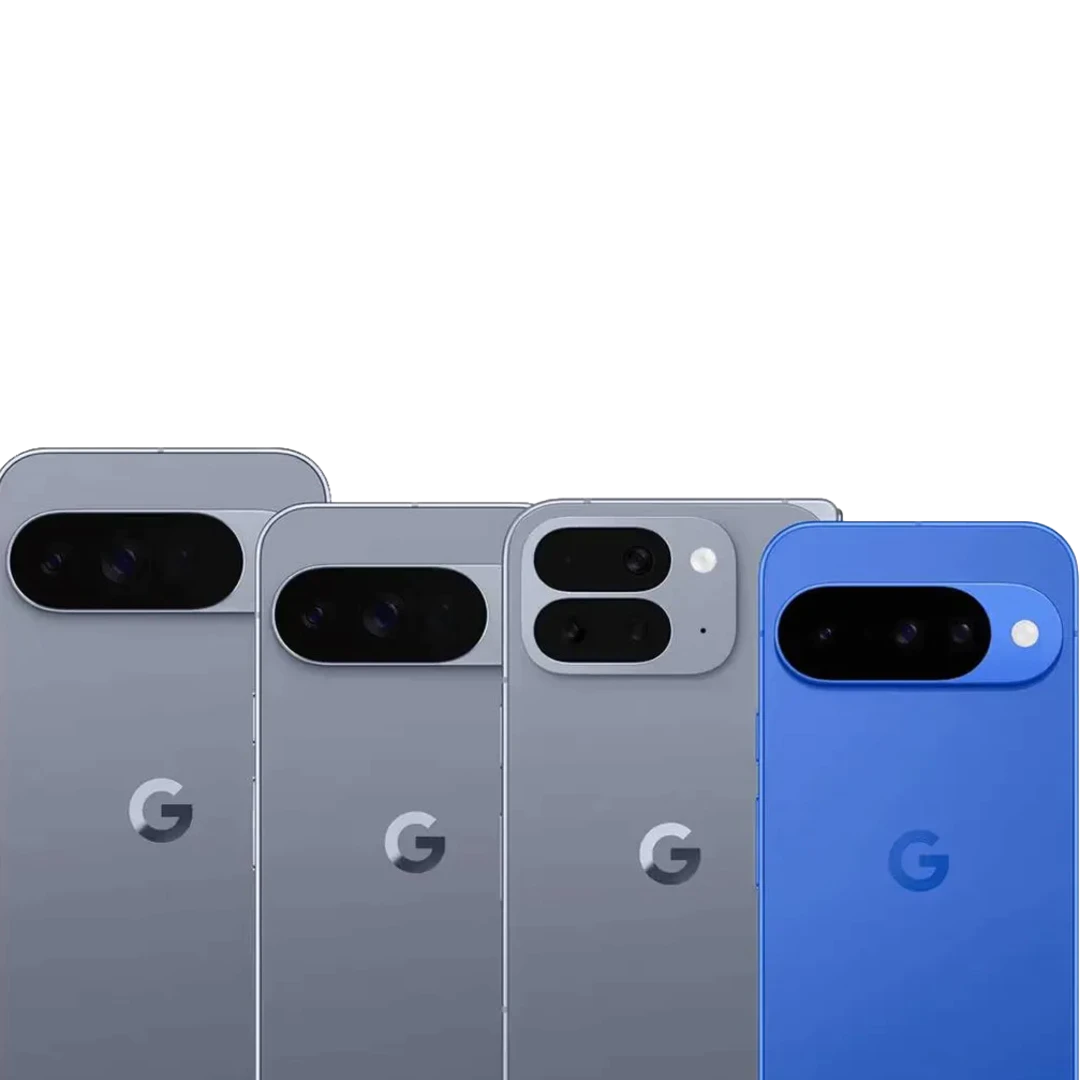
Compare Google Pixel Phones
All Google Pixel phones are listed here side by side, from the affordable A-series model to the top-of-the-line foldable model. A Google phone is characterized by Android without any extra layers, a long update guarantee, and a camera that does the processing for you. Below, you can compare the models with current prices from dozens of providers, either as a standalone device or with a plan.
Pixel 11 Series
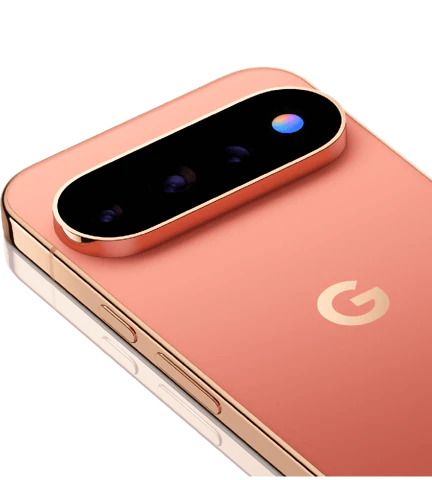
Pixel A models
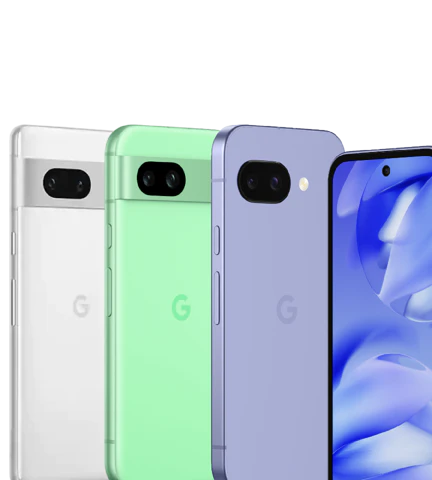
Pixel Pro Series
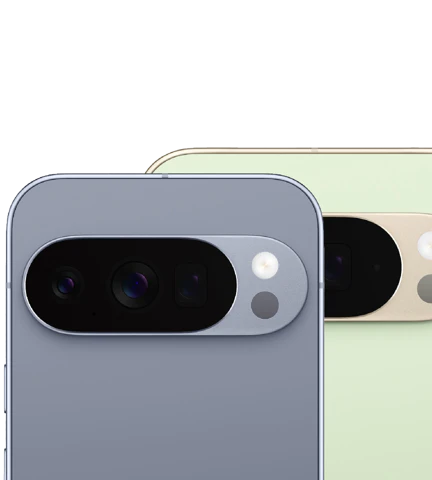
Which Google Pixel is right for you?
Google divides its phones into three tiers: the budget-friendly A-series, the standard numbered models, and the Pro models, one of which is a foldable. Each tier receives the same software and update policy, so the differences lie in the camera, display, size, and price.
How do Google Pixel phones really differ?
- Pixel a-series: the entry-level model with a 6.3-inch screen and the same camera software as the more expensive models, but with a simpler camera system without a telephoto lens and a slightly less premium finish.
- Pixel 11: the compact base model of the latest series, featuring the latest Tensor chip and a main camera that captures significantly more light than the a series.
- Pixel 11 Pro and Pro XL: Google’s best cameras with the longest zoom, the brightest screen, and—in the case of the XL—the largest display.
- Pixel 11 Pro Fold: a phone and tablet in one, with a tablet-sized inner screen and full dust and water resistance.
What you don’t need to worry about: every recent Pixel gets seven years of Android and security updates, runs Gemini as its assistant, and uses Google’s automatic image editing to produce photos that look great without any post-processing. So your choice comes down to three questions: how far do you want to zoom, how big can the device be, and how much do you want to spend?
Choose an A-series model if you want the Google experience and a good camera for the lowest price.
Choose the Pixel 11 if you’re looking for a compact phone with the latest chip and a better main camera than the a-series.
Choose a Pro or Pro XL if you zoom a lot, want the brightest screen, or are looking for a large device.
Choose the Pro Fold if you regularly use two apps side by side or do a lot of reading and watching on your phone.
What makes a Google phone different from other Android devices?
Google develops Android itself and delivers it on a Pixel without the extra skin that Samsung, Xiaomi, and other brands layer on top. You’ll notice this in three ways.
Android as Google Intended It
A Pixel has no duplicate apps or ads in the menu, and new Android versions are released on it first. The seven years of updates apply starting with the Pixel 8 series and are counted from the release date: a Pixel 11 from 2026 will remain secure and up-to-date until at least 2033.
Tensor chip and AI features
Google designs its own Tensor processor, built for tasks like translation, photo editing, and speech recognition right on the device itself. Features like Magic Eraser, Live Translate, and having the phone screen your calls often arrive on a Pixel sooner than on other Android devices.
A camera that computes rather than just captures
A Pixel derives its photo quality less from large sensors and more from image processing: multiple shots are merged into a single, highly detailed photo, even in low light. The difference between the models lies mainly in the zoom and the number of lenses, not in the basic image quality. If you take a lot of photos, be sure to compare the other camera phones as well.
Pixel 11 series or Pixel 10 series?
The Pixel 11 series is the latest generation, but the Pixel 10 series will still be supported for years to come and is dropping in price now that its successor is available. The update period for the older series is one year shorter, and the cameras and chip are one generation older; for those primarily looking for the Google experience, that’s rarely a deal-breaker.
When considering an older model, do pay attention to the remaining update period: models released before the Pixel 8 receive updates for a shorter period. You can find a refurbished Pixel among the refurbished phones, and the best prices available right now are listed under the phone deals.
