
Compare Gaming Phones
Do you need a gaming phone, or is a regular high-end phone enough? Here are the devices built for long gaming sessions, with extra cooling and a high-refresh-rate display. Click on a device to view its specifications and current prices from various providers, compared independently.
Redmagic

2 products
Asus ROG Phones

All gaming phones


Do you need a gaming phone?
That depends on what you play and for how long. For short sessions, a regular high-end phone will do just as well; the difference only becomes apparent when the device heats up. So for a quick game here and there, virtually any smartphone will suffice.
How do gaming phones really differ?
- Heat dissipation: vapor chambers, graphite layers, and fans keep the chip below the temperature at which it throttles itself. You won’t notice this in the first few minutes, but after half an hour of playing.
- Refresh rate it maintains: what matters isn’t the highest number on paper, but whether the device can still deliver that speed at the end of a session. The refresh rate is what the screen is capable of, the frame rate is what the game delivers, and touch latency is how quickly the screen responds to your finger.
- Additional controls: pressure-sensitive areas on the bezel take over the role of the buttons on a controller, so your thumbs don’t have to cover the screen.
- Power while gaming: some models have the charging port on the side, so the cable doesn’t get in the way, or route power directly to the hardware instead of through the battery, which keeps the battery from getting as hot.
- Size and weight: a large battery, extra cooling, and speakers on both sides make the device heavy. The size allows for a secure two-handed grip, but you’ll notice the weight throughout the day.
A gaming phone from this list runs popular titles smoothly, and for everyday use, you won’t hit any performance limits. The difference lies in what happens after half an hour of gaming—and how much weight and thickness you’re willing to put up with for that.
Choose a true gaming phone if you play demanding games for long stretches and can’t afford any drop in frame rate.
Choose a high-end smartphone if you mainly play for short periods and want a slim device that’s still comfortable to use as an everyday phone.
Pay extra attention to the screen if you play racing or shooter games: that’s where you’ll notice the refresh rate and touch latency the most.
What are you willing to compromise on?
A gaming phone is in the same class as a high-end smartphone, but it spends that money on cooling, the screen, and the battery instead of on the camera and software.
- Camera: good enough for everyday photos, but not on par with the flagships in the same class. If you take a lot of photos, this is the biggest trade-off.
- Software and updates: the update support period is typically shorter than with the most well-known brands. When considering a model, check how many years of updates are included.
- Water resistance and wireless charging: these features are less common than on a typical high-end phone. Check the specifications for each model.
- Sales channel: not every model is available here through official channels, and that determines where you’ll go for warranty and service.
Brands that make gaming phones
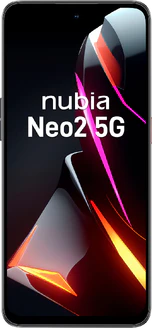
Redmagic, nubia’s gaming brand, focuses its entire lineup on gamers. Asus built its reputation with the ROG Phone series but is no longer adding new phone models; existing devices will continue to receive updates and warranty support. Be sure to check the update period for each model in the specifications. In addition, brands such as Honor and Xiaomi occasionally release a gaming-focused model, though it’s not their entire product line.
Mobile gaming is huge, but the gaming phone itself remains a niche market that brands often exit, as Razer and Black Shark did.
History of Mobile Gaming
Mobile gaming didn’t start with a gaming phone, but with a game that came pre-installed.
From Snake to the N-Gage
Phone manufacturers realized early on that you could play games on a phone. In 1997, the Nokia 6110 hit the market with Snake pre-installed—a hit thanks to its simplicity. In 2003, Nokia took on the competition with the N-Gage, challenging the Nintendo Game Boy Advance, followed a year later by the N-Gage QD. The uniquely shaped phones were not a success, and Nokia halted development.
The App Store Makes Mobile Gaming Big
Apple released the first iPhone in 2007, but it wasn’t until 2008 that an official App Store launched. This gave developers their first easy path to millions of devices, and games became the largest category in the store. The model where a game is free to play and you make in-app purchases proved to be the most successful.
From a separate gamepad to a gaming phone
As most smartphones became powerful enough for games, the need for specially designed devices with physical buttons disappeared. Sony Ericsson made one last attempt in 2011 with the Xperia Play, an Android phone with a slide-out gamepad, which never received a successor. Then came the accessories, such as the Moto Gamepad that Motorola released in 2017 for the Moto Z series. In 2018, Asus introduced the first ROG Phone: a standard Android phone with ports for accessories like the AeroActive Cooler, optimized for sustained high-performance gaming.
