MagSafe-compatible phones
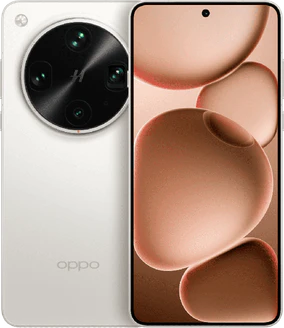
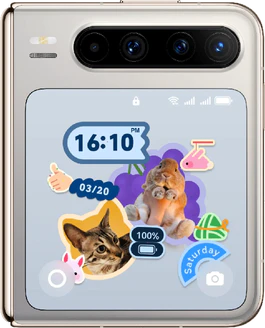
MagSafe-compatible phones have magnets around the charging coil, allowing a charger, car mount, or power bank to snap into place with a click. Note the difference: on some devices, those magnets are built into the phone itself, while on others, they’re in the case you buy with it. In the text below the overview, you can read what that difference means in practice and what to look for when choosing a case. Use the filters to see which devices already have built-in magnets, or view all phones with wireless charging.

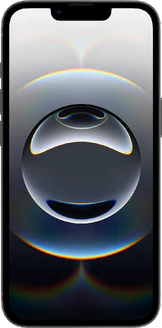
What does “MagSafe-compatible” mean?
“MagSafe-compatible” means that your device snaps magnetically onto accessories designed for MagSafe or Qi2. Apple introduced MagSafe with the iPhone 12: a ring of magnets around the wireless charging coil, ensuring the charger is always properly aligned. Qi2 is the open standard from the Wireless Power Consortium and is based on that same magnetic profile. As a result, the accessories are interchangeable.
Built-in Magnets or Qi2 Ready
This distinction determines whether you still need a separate accessory, since both variants are marketed as MagSafe-compatible.
- Built-in magnets: the magnetic ring is inside the device itself; accessories snap into place immediately, even without a case
- Qi2 Ready: the electronics are there, but the magnets aren’t; those are in the case or in a separate ring that you purchase separately
Which devices have built-in magnets?
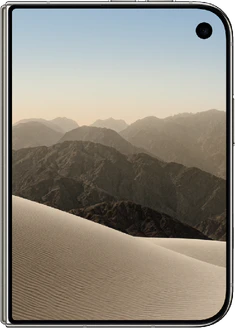
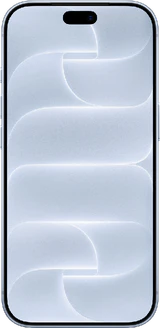
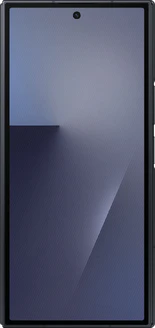
With Apple, it’s simple: every iPhone starting with the 12 has MagSafe, with the exception of two models—the iPhone 16e and the 2022 iPhone SE. On the Android side, the list is still short. Google’s Pixel 11 series has built-in magnets, as do the Pixel 10 series before it, the Skyline from HMD, and the edge 70 max from Motorola. Samsung sticks with Qi2 Ready, including in the Galaxy S26 series: the magnets are located in the case, which you have to purchase separately. The overview above shows what’s currently available.
Note the charging speed
Magnets don’t determine how fast your device charges. The phone itself determines that: the latest Qi2 generation supports up to 25 watts, but many devices stay below that. A magnetic case doesn’t change that. If speed is your top priority, look for phones with fast charging via a cable, because wireless charging is still slower than wired charging.
How does this affect you in practice?
You’ll notice the difference most with accessories that need to stay in place. Think of a car mount where you place the phone with one hand, a power bank that travels on the back of the phone, or a stand that keeps the device upright. You can do this without magnets, but then you’ll need a clip, or you’ll have to find the right spot on the charging pad yourself.
What to look for in a magnetic case
Not every case with magnets is equally strong. Some cases are officially Qi2-certified, while others rely solely on a claim on the packaging. A weak ring will still hold a light charger in place, but it will let go of a fully charged power bank or a car mount. So check for certification and don’t just look for the “MagSafe-compatible” label, because that isn’t a certification mark. The official designations are Qi2 and Qi2 25W.
