Compare Sony Phones
Sony phones are listed here along with their specifications, ranging from the current Xperia models to the oldest Sony and Sony Ericsson devices. Sony is one of the last brands still to include a headphone jack and a memory card slot, and for many visitors, that’s exactly why they come here. We don’t sell anything ourselves, and we don’t earn more from one brand than another: you’ll see the prices from all providers side by side for each model. Filter by what you’re looking for and open the model you’re considering.
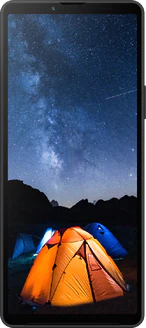
How do you choose between the Xperia models?
Start with the series, because that determines which class you’re in. Within a single series, the Roman numeral after the name accounts for most of the price difference; we’ll explain how to read that number later.
How the Xperia series differ
- Xperia 1 (€€€€)*: the flagship line, with the largest screen and a telephoto lens in addition to the main and wide-angle cameras.
- Xperia 10 (€€): the mid-range, without a telephoto lens. For current models, Sony specifies a battery life of two days.
- Xperia 5 and earlier lines (€ to €€): more compact models and series for which no newer generation is included in this overview. You’ll mainly find these here used or refurbished.
- Sony Ericsson and older (€): devices from before 2012. Interesting to find, but not intended as an everyday phone.
*Relative price indication within this overview: the more € symbols, the more expensive. See the overview above for current prices.
Within the two lines Sony currently offers—the Xperia 1 and the Xperia 10—you don’t have to make a choice on a few points: both retain the headphone jack and the memory card slot, and Sony promises the same software support period for both. What remains is a choice between screen size, camera quality, and how many generations old you’re willing to accept your device to be.
Choose the Xperia 1 if you want a telephoto lens and the largest screen, and the highest price range isn’t an issue.
Choose the Xperia 1 if battery life and size are your top priorities and you don’t need a telephoto lens.
Consider an older model if a lower price is more important to you than the latest generation; the update cycle will vary by generation.
What do you get for your money with Sony?
In the mid-range segment, with Sony you’re mainly paying for the headphone jack and the memory card slot, not for the fastest chip in that class: the current Xperia 10 model runs on a Snapdragon 6 Gen 3, which wasn’t the fastest in its class even in its predecessor. If you don’t need that headphone jack and memory card slot, you’ll get more phone for the same money elsewhere in the same class; in that case, take a broader look at the overview of mid-range smartphones. In the flagship line, the premium is reflected in the display and the camera, which includes a telephoto lens that the Xperia 10 lacks.
How extensive is Sony’s product lineup in the Netherlands?
Small. Sony releases about two new models per year, one in each line. Whether a new Xperia model like this will actually hit stores here at a Dutch price varies by generation: the Xperia 1 VII wasn’t available in the Netherlands for a long time after its announcement, while the latest generation was released here at a Dutch price. In Europe, Sony sells primarily through online channels and has downsized its phone division here; you can read what’s known about this in our article on the reorganization of Sony’s smartphone division. If you buy an Xperia now, your warranty will be handled by the retailer from whom you purchased the device, and according to Sony, support and updates will continue for existing devices.
Roman numerals: how to read an Xperia name
The number after the series name indicates the generation, written in Roman numerals. The Xperia 1 II is therefore the second generation of the flagship line. The higher the number, the newer the device. Sony does not include a year in the model name, so in a list, this number is your only clue as to the device’s age.
How long does an Xperia receive updates?
For the current generation—the Xperia 1 VIII and the Xperia 10 VIII, Sony promises four major Android versions and six years of security updates, counting from the model’s launch—not from the moment you buy it. For a device that’s a few generations old, part of that period has therefore already passed, and for older generations, Sony promised a shorter period. For phones released in the EU on or after June 20, 2025, there is also a legal minimum requirement of five years of security updates after a model is discontinued. That minimum period is based on the date a device was launched, so the Xperia models that were sold here earlier are not covered.
From Sony Ericsson to Xperia
Sony was already selling its own mobile phones before partnering with Ericsson, and those are also included in this overview, such as the Sony CMD-J7. Between 2001 and 2012, Sony manufactured its phones in partnership with the Swedish company Ericsson, focusing on the camera and music features that made Sony Ericsson famous. During that period, the first phone bearing the Xperia name was also released: the Sony Ericsson Xperia X1. In 2012, Sony acquired Ericsson’s stake and continued independently, operating under the Xperia name from that point on.
