
Pixel 11 Series Official: Ramageddon Prices, Less RAM, and Even Smaller Batteries
Google officially unveiled the Pixel 11 series ahead of the Made by Google event. Overall, it was an unusual unveiling, even before the event, but then again, these are unusual devices. The Pixel 11 series exemplifies how the global memory shortage is affecting smartphones better than any other series.
The Google Pixel 11 series looks so much like its predecessor that Google only included the model number in the press images. As a result, our editorial team had to really look hard to find the differences. But we did find a few, though we’re wondering out loud whether anyone would want to trade in their Pixel 10 because of them.
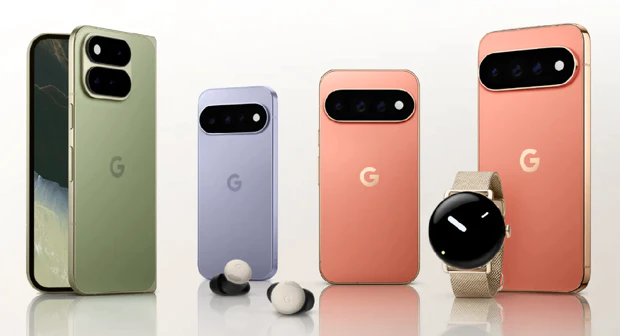
The biggest difference is the Tensor G6 chip, which is supposed to be more energy-efficient than its predecessor and more powerful, allowing the latest Gemini Nano model to run directly on the device itself. The chip is manufactured by TSMC and reportedly features a more energy-efficient modem, which means battery consumption while on the go isn’t as high.
There are also some differences—or rather, unique features—per model that we’d like to highlight one by one.
Pixel 11
For example, on the Pixel 11, the wireless charging speed has increased from 15 to 25 watts. The entry-level model with 128GB has been discontinued; in its place, there is now a 256GB version that costs €100 more. This brings the starting price to €999.
Pixel 11 Pro
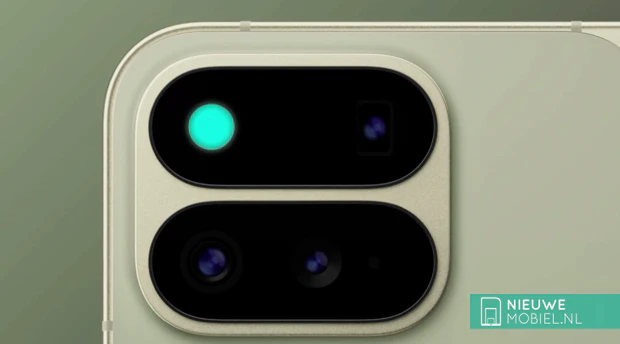
The Pixel 11 Pro features a notification light on the back called HiLight. This light illuminates when you’re using Gemini, and you can assign colors to contacts when they call you. As far as we’re concerned, it’s more of a warning light, because not every model is a good choice.
For example, the entry-level model of the 11 Pro now comes with less RAM: 12 GB instead of 16 GB. Also, the entry-level model with 128GB has been discontinued, and the starting price has gone up by €100 to €1,199. Models with 16/512GB or 16/1TB of storage will also feature faster Zoned UFS storage.
Google has also reduced the battery capacity here, which clearly comes at the expense of battery life, as the energy label shows: 47.5 hours instead of the previous 51 hours. Wireless charging is slightly faster at 25 watts, though.
Pixel 11 Pro XL
The story surrounding the Pixel 11 Pro XL doesn’t get any better. Here, too, the entry-level model is equipped with less and slower RAM, the battery has shrunk, and, strangely enough, the maximum wired charging speed has been reduced from 45 to 30 watts. The starting price is €1,399, again €100 more than its predecessor. Of all the models introduced, this seems to be the worst choice.
Pixel 11 Pro Fold
And finally, there was the Pixel 11 Pro Fold with slightly different colors, a stronger hinge, and a more durable ceramic screen. The device is now 0.7 millimeters thinner, but Google achieved this mainly by using a significantly smaller battery: 4806 mAh compared to 5015 mAh previously.
In terms of storage, there are no differences from its predecessor, except that the entry-level 16/256GB model uses slower memory. Only starting with the 16/512GB model do you get the faster Zoned UFS memory, which delivers faster performance. Prices start at €1,999, which is again €100 more expensive than last year.
Anything else?
It’s not much, but there are a few real improvements. Portrait photos can now also be taken at 5x zoom on the Pro models, and Pro Zoom goes up to 120x. Some camera sensors are different as well, but the resolution remains the same across the board. The most notable new feature is support for FeliCa, the payment standard used virtually everywhere in Japan; handy for anyone traveling there, but it’s not very useful here. On paper, the screens are slightly brighter (3,600 nits peak instead of 3,300 nits), but you won’t notice that difference in practice.
The European energy label rounds out the picture: all announced devices score a B, and Google promises 1,000 charge cycles before the battery capacity drops to 80 percent. By comparison: Samsung had already lowered that promise for the Galaxy S26 series—from 2,000 to 1,200 cycles—but Google goes even lower than that with 1,000.
Ramageddon
We can’t sugarcoat it, but the Pixel 11 series is clearly a victim of Ramageddon. Or rather, we, as consumers, are. Google has profited handsomely from us for years and is clearly unwilling to temporarily absorb the sharply rising costs of memory chips. Just how much is Google earning? Parent company Alphabet reported last quarter, with revenue of $119.8 billion and operating profit of over $40 billion. They’re also cutting back on extras: buyers now only get 6 months of free Google AI Pro access—half of what Pixel 10 buyers received.
Still, that doesn’t have to be bad news, because the Pixel 10 series is still available and has dropped significantly in price. Plus, they come with larger batteries and virtually the same specs. Pixel phones have always felt fast and smooth, so we suspect that few people will notice the difference in speed with the Tensor G6. Take advantage of this.
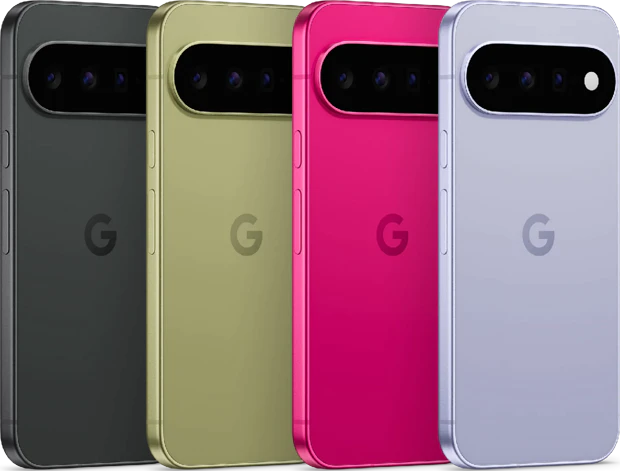
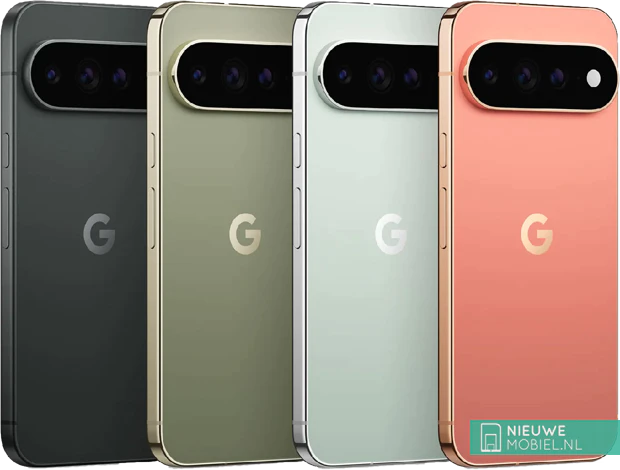
The Pixel 11 series is available for order starting today and is expected on August 20. The Pixel 11 comes in Pistachio (green), Hibiscus (pink), Frost (light blue), and Obsidian (black); the Pro and Pro XL in Canyon (pink), Olive (green), Fog (light blue/green), and a fully matte Obsidian, while the Pro Fold will be available only in olive green with a gold-colored frame or obsidian black.