
Buying Cell Phones
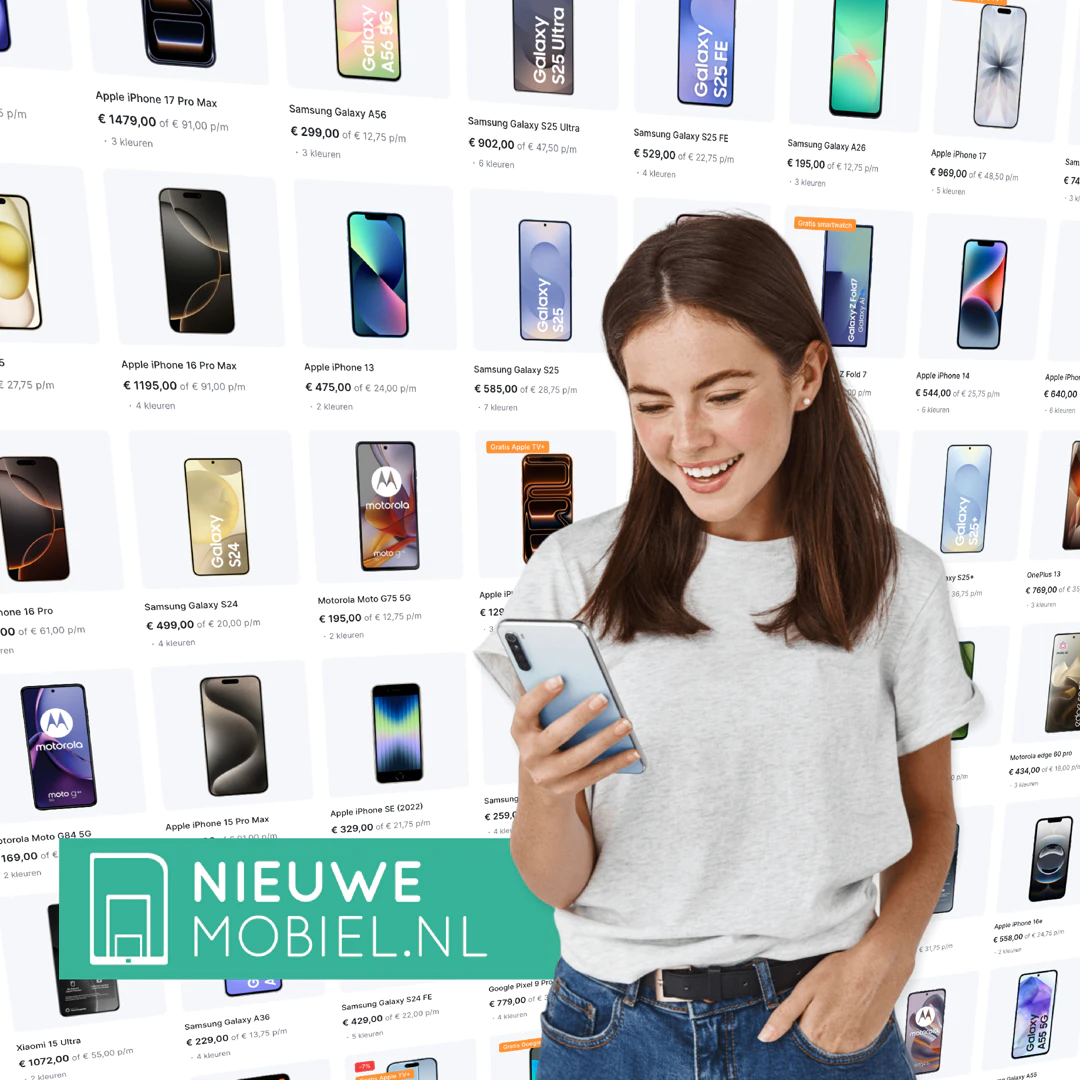
Looking for a new cell phone? At NewMobile.com, you can easily compare all the latest smartphones. Whether you’re looking for the latest iPhone, a powerful Samsung Galaxy, or an affordable model from Xiaomi: here you’ll find all the latest prices and specs clearly listed. Use the filters for brand, price, or camera quality to instantly find the best deal on your new phone. We compare both unlocked phones and prices with a plan.
1 product
Apple iPhones

29 products
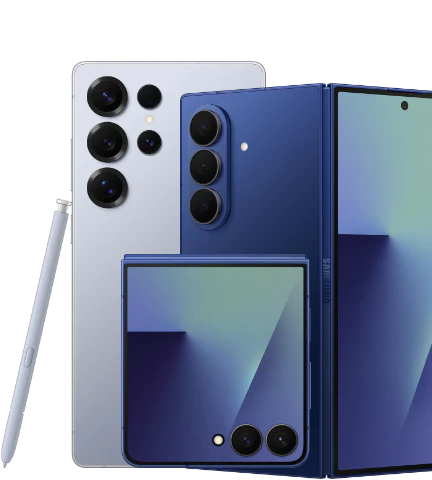
Samsung Galaxy phones
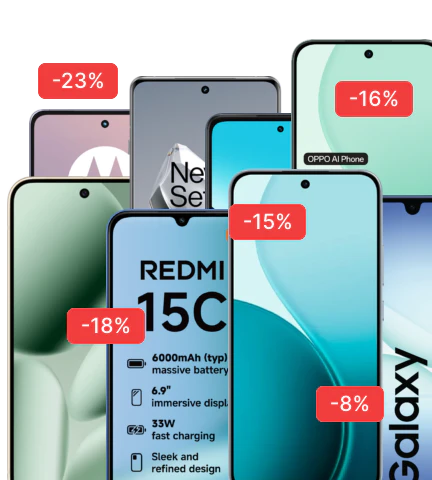
Phones with big discounts or free gifts
Inexpensive smartphones
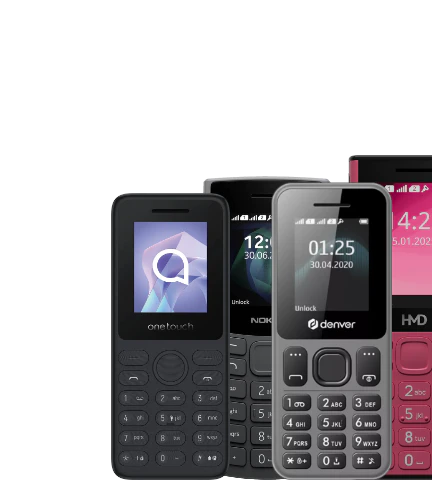
Basic feature phones
106 products
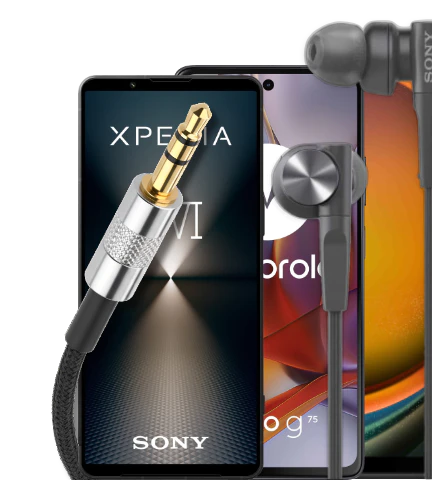
Phones with a headphone jack
All cell phones



Help Choosing the Right Cell Phone
The selection of phones is bigger than ever. Can’t see the forest for the trees? Then use our selection guide. Here, we’ve compiled carefully curated lists to help you easily find your next cell phone.
Would you rather compare them yourself? Then first decide what you’ll be using the phone for. Are you looking for a powerful smartphone, or do you just want to stay connected?
Which type of phone is right for you?
These days, most people opt for a smartphone. This gives you constant access to the internet, WhatsApp, navigation, and an advanced camera.
Don’t need to be online all the time, or looking for a phone that lasts for weeks on a single charge? Then a dumbphone or a simple feature phone is the best choice. For older adults who want extra ease of use, there are special senior phones with large buttons and an emergency button.
Operating System: iOS or Android?
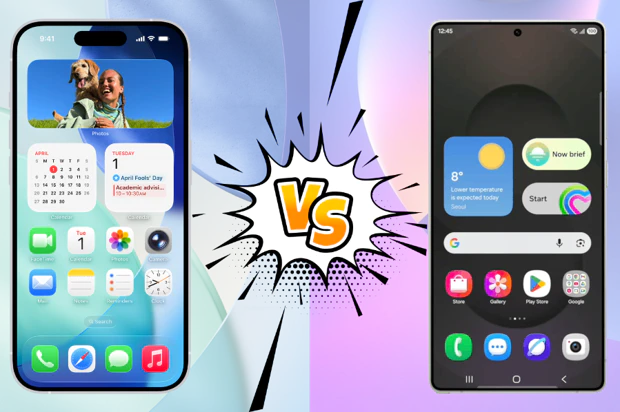
If you choose a smartphone, the operating system largely determines your user experience. Although there are smaller alternatives, the market is dominated by two giants:
- iOS (Apple): This system is found exclusively on the Apple iPhone. iOS is known for its simplicity, security, and seamless integration with other Apple products such as the iPad and Watch. A major advantage is its update policy: iPhones often receive the latest software for 5 to 7 years, allowing them to retain their value for a long time.
- Android (Google): This is the most widely used operating system in the world and offers the greatest freedom of choice. Since brands such as Samsung, Xiaomi, Google and Motorola all use Android, there’s a device for every budget. From affordable entry-level models to innovative foldable phones, with Android, you can go as wild as you want.
Key Specifications to Look For
With so many specifications, it can sometimes be hard to see the forest for the trees. To keep you from getting overwhelmed, we’ve highlighted the three most important factors to consider in 2026:
- Battery – The Silicon-Carbon Revolution: Battery technology has made a huge leap forward recently. Thanks to new Silicon-Carbon (Si-C) batteries, we’re increasingly seeing capacities ranging from 6,000 to as much as 7,000 mAh or more, without the phones getting any thicker. This easily gets you through two days of intensive use. Also, keep an eye out for fast charging: ideal for fully recharging your phone in 20 minutes.
- Display - Brightness (nits) Makes All the Difference: Since virtually every modern phone, from budget to high-end, now has a smooth 120Hz display, you need to focus on something else: brightness. This is measured in nits. The higher this number, the easier it is to read the screen in bright sunlight. Whereas 1,000 nits used to be considered high, we now see peaks ranging from 3,000 to as high as 5,000 nits. Do you spend a lot of time outdoors? Then pay special attention to this peak brightness.
- Camera - More Than Just Megapixels: Don’t get too caught up in the number of megapixels. A 200-megapixel camera isn’t necessarily better than one with 50. Want truly beautiful photos? Then look for Optical Image Stabilization (OIS); this ensures sharp images, even if your hands are shaking or in low light. Do you want to zoom in far without losing quality? Then choose a model with a separate telephoto lens.

Budget: From entry-level to flagship
The price of a phone ranges from less than a hundred euros to well over a thousand euros. What can you expect in each price range?
- Budget (up to €150): Are you looking for the absolute lowest price? In this category, you’ll find basic cell phones designed purely for making calls (dumbphones), as well as entry-level smartphones for WhatsApp. Don’t expect high speeds, but you can often count on extremely long battery life.
- Entry-level (€150 - €250): Just a step up. In this segment, you’ll find phones that feel a bit snappier, often have more storage (128GB or more), and sometimes even feature a faster 90Hz display. A safe choice if you don’t want to spend too much.
- Mid-range (€250 - €500): This is the “sweet spot.” You get many features that were previously only found in expensive models, such as a waterproof design, a bright AMOLED display, and a good main camera. The Samsung Galaxy A series has reigned supreme here for years.
- High-end (starting at €500): Do you want the best of the best? Flagship models stand out with superior zoom cameras, the fastest processors for gaming, and premium materials. Here you’ll find the top devices from Apple, Samsung, and Google.
Phones for Specific Needs: Gaming, Construction, and Seniors
Not everyone is looking for a standard smartphone. Sometimes you need a device that excels at one specific thing.
- Gaming phones: For the avid gamer, a standard phone just isn’t enough. Gaming smartphones (such as the Asus ROG or RedMagic) feature special cooling systems, extra shoulder buttons, and screens with extremely high refresh rates (144Hz or higher) for the ultimate response speed.
- Rugged Phones: Do you work in construction or love the outdoors? Then choose a rugged phone. Models from brands like Sonim or Samsung Xcover are drop-resistant, waterproof, and can often be operated while wearing gloves or with wet fingers.
- Phones for Seniors: Modern smartphones can sometimes be overwhelming. Phones for seniors focus on accessibility: physical buttons, extra-loud volume, a simple menu, and often a special emergency button for safety.
- Dumbphones (No Internet): Do you want to go completely offline (“digital detox”) or simply be reachable without distractions? A dumbphone goes back to the basics: calling and texting. The big advantage is battery life; these phones often last for weeks on a single charge.
Trends in 2026: AI and Foldable Phones
Technology never stands still. While 5G is now standard in every device, in 2026 we’ll be focusing primarily on two other major developments that will shape how we use our phones.
- Artificial Intelligence (AI): The “smart” phone is finally living up to its name. AI is no longer just an assistant in the cloud; it runs directly on the chips of new phones (such as the Galaxy S series and the iPhone). Think of live translation of phone calls, removing people from photos with the press of a button, or automatically summarizing long notes. AI makes your phone faster, more personalized, and more helpful.
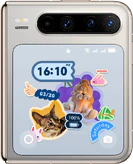
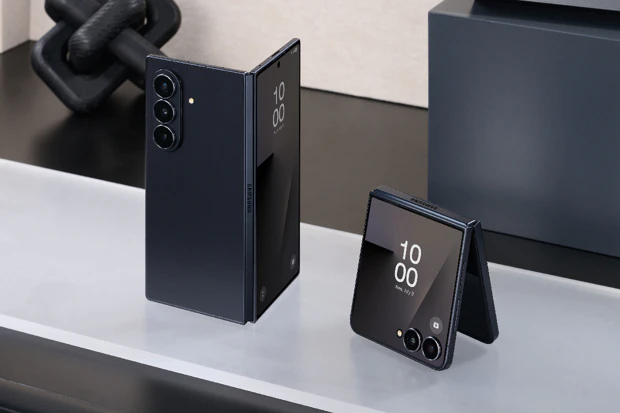
- Foldable Phones (Foldables): For years, they were an expensive niche product, but now they’ve come of age and are accessible: the “foldables.” The teething problems are gone; the hinges are stronger, the crease in the screen is virtually invisible, and they’re finally dust- and water-resistant. There are roughly two types: the Flip models (compact clamshell phones that fit in any pants pocket) and the Fold models (which unfold into a mini-tablet for productivity and video).
Comparing Brands: More Than Just Apple and Samsung
Although Apple and Samsung dominate the market, there are many more manufacturers that deliver top quality, often at a more competitive price. What does each brand excel at?
- Apple iPhone: The gold standard for ease of use, long-term value, and seamless integration with other Apple products. Runs on the secure iOS.
- Samsung: The market leader with the widest selection. From the affordable Galaxy A series to the high-end Galaxy S and innovative foldable phones. Known for its stunning AMOLED screens.
- Google Pixel: The smartest choice for Android purists. Known for its “clean” software, lightning-fast updates, and unmatched AI-powered camera software.
- Xiaomi: The king of value for money. You often get high-end specs (such as super-fast charging) at a mid-range price.
- Oppo: Strong focus on design and innovative camera features, particularly for portrait photography. Their SuperVOOC fast-charging technology is also industry-leading.
- OnePlus: Once known as the “flagship killer,” it’s now an established brand known for speed, powerful performance, and a loyal community.
- Motorola: A rock-solid player in the budget and mid-range segments. Their phones often feature a “stock” version of Android, excellent battery life, and a sleek design.
- Sony: For the connoisseur. Sony phones cater to multimedia enthusiasts and creators, incorporating features from their professional cameras, TVs, and audio products.
- HMD: The makers behind the recent Nokia phones are now charting their own course. There’s a strong focus on repairability (“Human Mobile Devices”): phones you can easily open yourself to replace a battery or screen. Plus, it’s European.
Phone with a plan, unlocked, or refurbished?
The best way to buy your phone depends on your situation. With an unlocked phone, you pay for the device in full upfront and are free to choose your carrier with a SIM-only plan. This gives you maximum flexibility.
Want a different phone, but it doesn’t necessarily have to be new? Then consider a refurbished phone. You’ll get a inspected device with a warranty for significantly less. That’s sustainable!
Don’t want to pay the full amount upfront? Then a phone with a plan might be right for you. This can be especially handy for smartphones. You spread out the costs and get bundles for calls and data. We compare each purchase option separately, so you can see the lowest price for each one.
If you’re still having trouble deciding despite all this help, you can always take another look at telefoon.nl. They might be able to help you further.
