
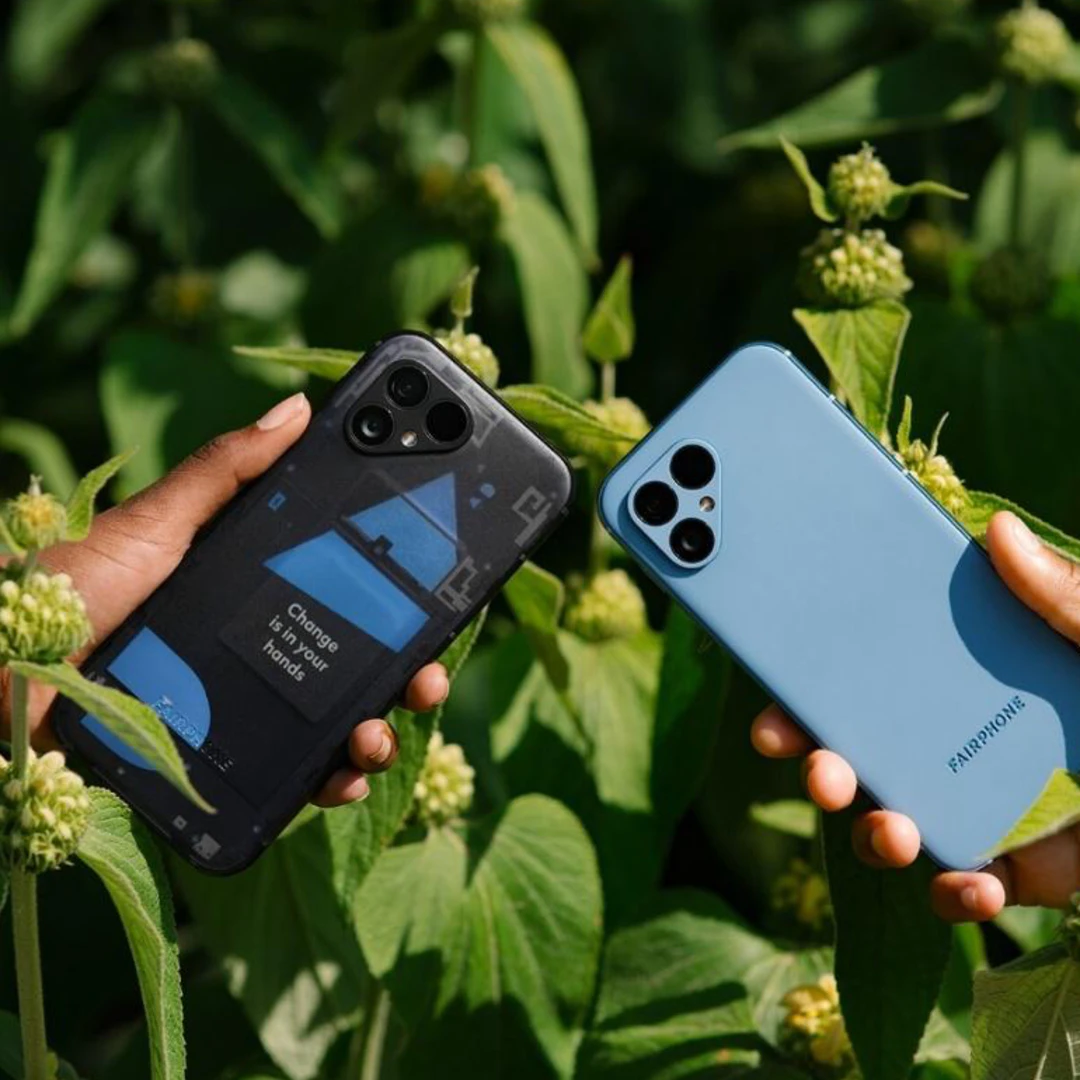
Sustainable phones comparison: The greenest deals of 2026
You want a new phone, but one that doesn't unnecessarily burden the planet. Whether you choose a device that lasts for years, a smartphone made from recycled materials or a refurbished model: sustainability and high-tech go hand in hand these days. We'll help you make the most responsible choice from the 2026 offering.
1 product
Fairphone
Refurbished phones
24 products
European

All durable phones 🍃




Why choose a durable phone?
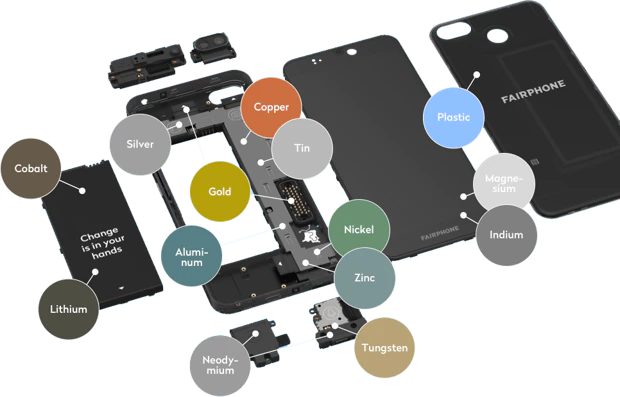
Most smartphones are loaded with scarce materials such as cobalt, lithium and gold. Mining these is often severely damaging to the environment. By choosing a sustainable brand or a device with a long lifespan, you immediately reduce your carbon footprint.
In the customer journey to a greener device, we see that repairability and software support are the most important factors. A phone that you can get fixed after three years is, at the bottom line, the cheapest and greenest choice.
The top choices for a greener future
There are three ways to make your mobile life more sustainable. Depending on your needs, we've selected the best options for you:
1. Fairly produced: Fairphone
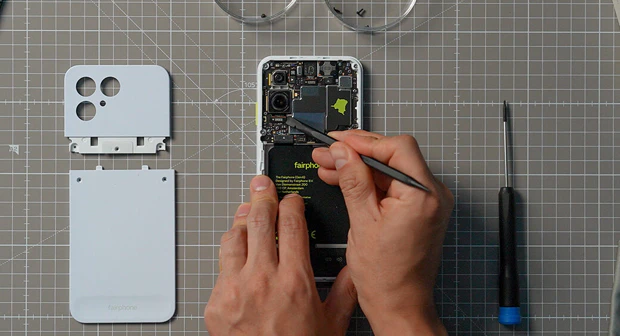
The Fairphone (Gen. 6) is the undisputed king of sustainability. This device is modularly built, which means you replace the battery or screen yourself with a simple screwdriver. Moreover, the materials are fairly sourced.
2. Give a device a second life: Refurbished
Why buy new when a refurbished phone works just as well? You save up to 80% in CO2 emissions from manufacturing and it saves significantly in your wallet. iPhones and Samsung Galaxy phones in particular are very popular refurbished deals.
3. Longevity: Samsung & Apple
Major brands are betting on software updates. For example, the Samsung Galaxy S25 series promises 7 years of updates. This reduces the need to buy a new device, which is also a form of sustainability.
What to look out for when deciding
When in doubt between different models, look for the Eco ratings or official certifications such as B Corp or TCO Certified. These labels guarantee that a manufacturer is really taking steps and is not greenwashing.
Why your old phone is worth gold (literally)
A smartphone is a technical marvel, but the price to nature is high. Each device contains dozens of rare materials that are scarce and often mined under difficult conditions. By choosing a durable phone or a refurbished model, you avoid having to extract these materials from the mines again.
What's actually inside your phone?
The table below shows the main building blocks of your smartphone. This makes it immediately clear why recycling and longevity are so crucial:
| Material | Application in your device | Why recycle? |
| Gold (Au) | Print plate and connectors | Very scarce; excellent conductor |
| Cobalt (Co) | Battery and microchips | Mining often linked to child labor |
| Copper (Cu) | Wiring | Recycling costs 85% less energy than new mining |
| Gallium (Ga) | Semiconductors | Hardly found in nature; indispensable for 5Gchips |
| Indium (In) | Semiconductors and touch sensors | Without this material, the screen does not respond to touch |
| Litium (Li) | Battery | Extraction takes gigantic amounts of water |
| Manganese (Mn) | Fortification and battery | Increases battery safety and life with fast charging |
| Nickel (Ni) | Stainless steel | Mining is extremely polluting to local soils and ecosystems |
| Tin (Sn) | Solderings | Conflict mineral; recycling stops illegal trade |
| Tantalum (Ta) | Condensators | Crucial for miniaturization; recycling saves rainforests |
| Tellurium (Te) | Strengthening metals | One of the rarest stable elements in Earth's crust |
| Tungsten (W) | Trilling motor | Difficult to replace due to high density |
The 'Urban Mine': Your old phone as raw material
Did you know that the concentration of gold and silver in a ton of old phones is many times higher than in a ton of ore from a gold mine? We call this Urban Mining. By turning in your old phone or choosing a sustainable model that uses recycled materials, you are helping to keep these precious substances in the loop.
 .
.