
Skin rash from your smartwatch? How I solved it
Did you just buy a new smartwatch and notice an itchy, red spot on your wrist a few days later? It's annoying, and you're not alone. I solved the problem myself with these tips, so you won't have to return your watch.
Skin rash in the form of a red, painful spot on your wrist is called contact dermatitis (or contact eczema). It is a reaction of your skin to direct contact with a substance or material. With a smartwatch, that could be the band, or it could be the back where the sensors are located.
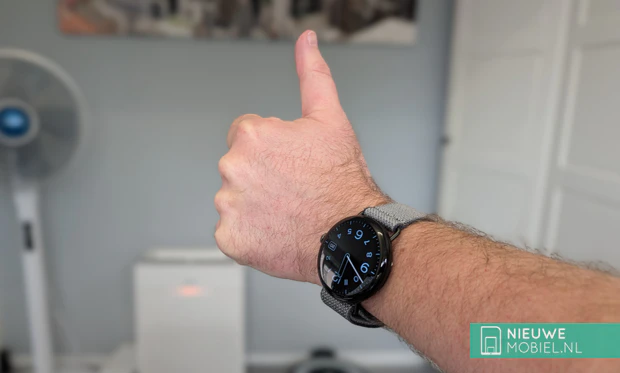
Those sensors measure your heart rate, oxygen saturation, movement and sometimes even your skin temperature. That gives a rich insight into your health, sleep patterns and sports activities – super handy, until you start suffering from it. And that happened to me with my Google Pixel Watch 4.
Itchy red spot: how it started
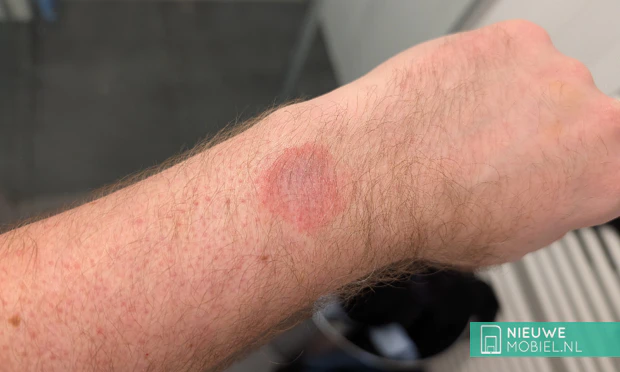
After a few days of wearing it, I noticed an itchy red spot under the watch, right where the sensors rest. A quick Google search yielded one tip: keep your skin dry. But my skin WAS dry. Moving the watch to the other wrist didn't offer any relief either; in fact, the same symptoms arose there after a few days.
Loosening or tightening the strap did not help either. Should I return my Pixel Watch 4?
 Auw!
Auw!Recover first, then fix
Before you try anything, give your skin time to recover first. For me, that took over two weeks. The redness and itching soon subsided, then the spot began to peel, similar to a light burn, and the symptoms strangely resembled that.
Two simple tips I used to solve it
- Take off your smartwatch at nite.
- Wear the band a lot looser during the day.
It was that simple in the end. By taking the watch off at nite, the sensor side doesn't stay pressed in the exact same spot for hours. That makes a big difference: for me, a red spot developed again after just one nite if I kept the watch on while sleeping.
Wearing the strap looser works from the same idea. Wear it one notch looser than you are used to, or, in the case of a Velcro closure, a little wider. The watch should be able to shift as soon as you shake your wrist. That way the sensors don't always rest on the exact same piece of skin. It may feel a bit unnatural at first, but you quickly get used to it.
The disadvantage of taking it off at nite is that you no longer have sleep data. Do you still want to track it occasionally? Then wear your smartwatch a few nites a week, and give your skin a rest on the other nites.
Other solutions against contact dermatitis caused by your smartwatch
Everyone's skin is different. Are the above tips not helping? Then try these:
- Swap your band.
Swap your silicone band for a textile or nylon band. Fabric breathes better and retains less moisture. - Switch wrists daily.
This way, you give both pieces of skin time to recover. - Keep the skin under your watch dry and clean.
Rinse your wrist and the band regularly, especially after exercising or showering. - Make sure to clean your smartwatch properly.
Sweat, soap scum and skin flakes quickly accumulate between the sensors and the band. - Do you suspect a nickel allergy?
Choose a watch and band without nickel, or with a nickel-free coating. - Do your symptoms persist?
See your doctor or a dermatologist. Sometimes there's more to it than just contact dermatitis.
What caused the irritation?
Frankly, I'm still not sure what caused it. The band seems unlikely to me: I use the fabric velcro sports band, which breathes well and barely retains moisture. A nickel allergy? As far as I know, the Watch 4 does not contain nickel.
My best guess: the heat given off by the sensors combined with prolonged pressure contact in the exact same spot. Whatever the exact cause was, with these adjustments I now wear my smartwatch again without any problems. I hope it works the same way with you. Still unsure about choosing your smartwatch? Then cheque out our overview of smartwatches.
Disclaimer: this article is based on my personal experience and is not medical advice. Do your symptoms persist or are they severe? If so, contact your doctor or a dermatologist.