
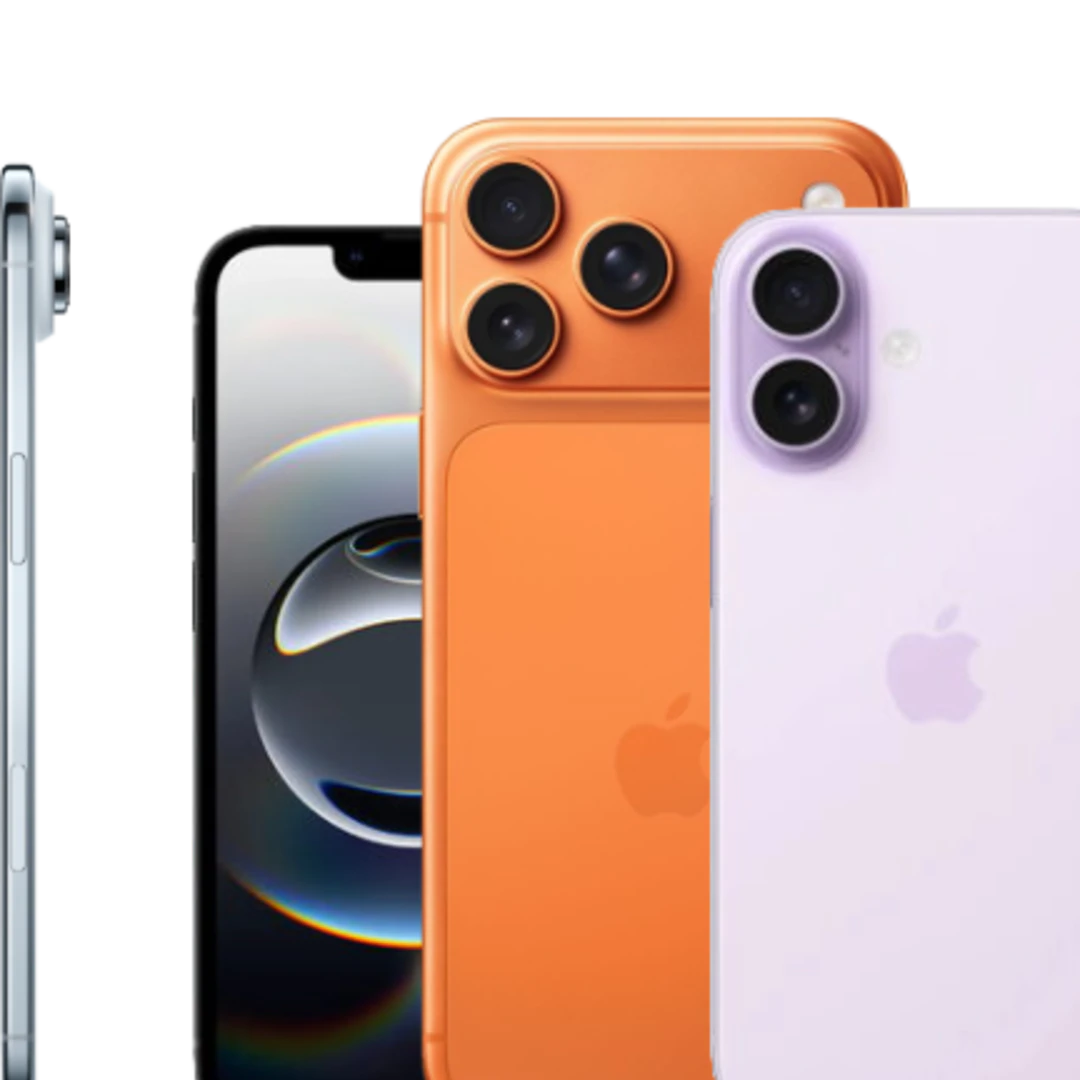
Apple iPhones
Choosing a new iPhone is a real treat, but with so much choice, it can also be quite tricky. Will you go for the absolute cream of the crop with the brand-new iPhone 17 series? Or will you opt for the smart value for money of the iPhone 16? Or are you looking for a compact entry-level model? At NewMobile.com, we compare millions of prices from all online shops and mobile providers every day. That way, you can be sure you’re not only choosing the best phone, but also getting the best deal.
5 products
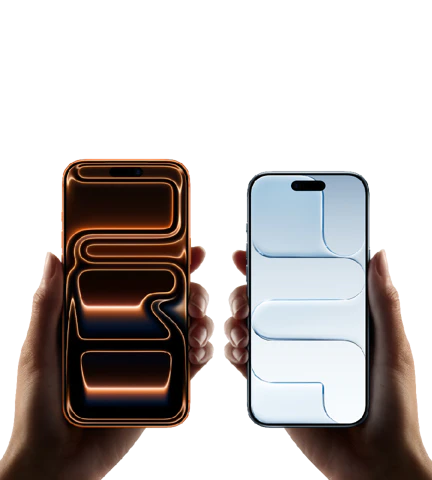
iPhone 17 series
2 products
Refurbished iPhones
2 products
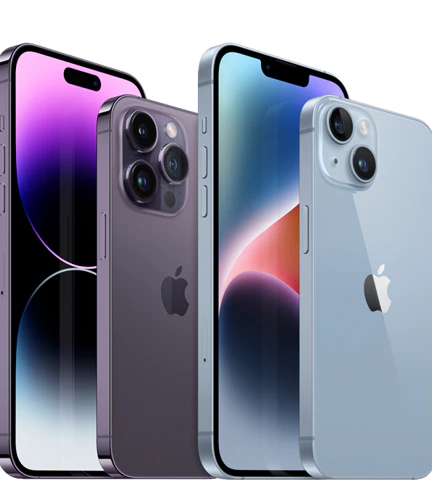
iPhone Pro models
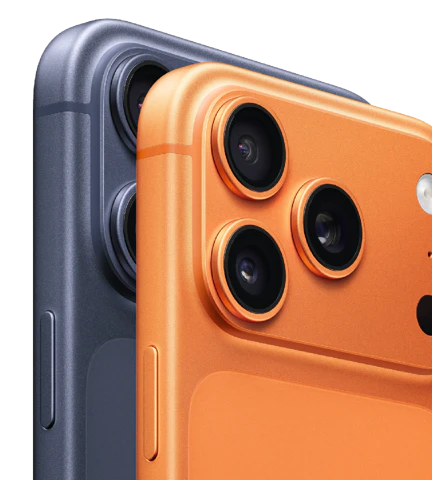
Cheap iPhones
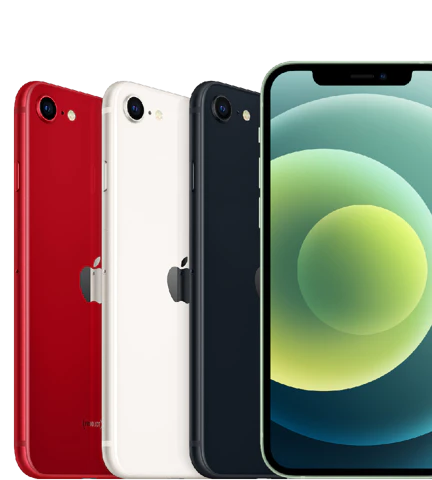
All Apple iPhones

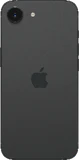







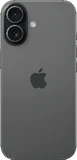
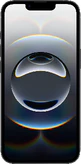
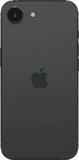
The iPhone 17 series: The gap is narrower than ever
Do you want the fastest processor, the best cameras and the latest features? Then the iPhone 17 series is the one for you. The big news this year is that Apple has significantly blurred the line between ‘Pro’ and ‘Standard’.
Whereas you used to always have to pay top dollar for a smooth display, now even the ‘standard’ iPhone 17 features the much-loved 120Hz ProMotion display. As a result, scrolling and gaming on the entry-level model feel just as smooth as on the Pro. So why would you still opt for the iPhone 17 Pro or Pro Max? Mainly for the camera. The Pro models remain the only ones equipped with a telephoto lens for optical zoom, which is essential for anyone wanting to take portraits or concert photos without any loss of quality.
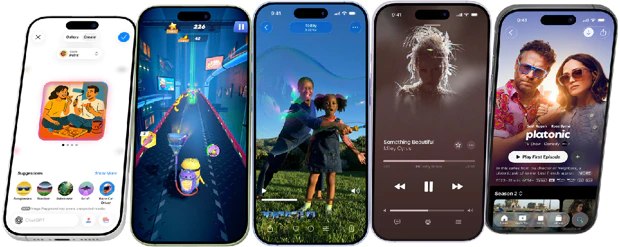
Pro vs. Standard: What do you really need?
Now that even the standard iPhone 17 has a 120Hz display, choosing the ‘Pro’ has become purely a matter of specialisation. Ask yourself the following questions:
- Do you often zoom in? This is the key difference. The Pro models have a dedicated telephoto lens that allows you to zoom in optically (2x or 8x with optical quality). The standard iPhone 17 can only zoom digitally (by cropping), which comes at the expense of detail.
- Do you want the most premium finish? The Pro models use an aluminium unibody and have slightly thinner screen bezels than the standard iPhone 17.
- Are you a ‘power user’? For heavy-duty video editing or the most demanding games, the A Pro chip in the more expensive models offers that little bit of extra processing power. For 95 per cent of users, however, the A19 in the standard iPhone 17 is already lightning fast.
The iPhone Air: A design revolution in your pocket
Alongside the regular 17 series, Apple has surprised friends and foes alike this year with the launch of the iPhone Air. This model is designed specifically for those who prioritise design over the very highest specifications.
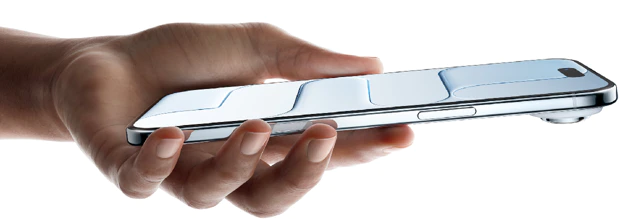
The iPhone Air bucks the trend of ever-heavier phones. It is the thinnest and lightest iPhone Apple has ever made. Whilst the Pro models focus on camera capabilities, the Air focuses on portability and aesthetics. It has a large screen, but thanks to its ultra-slim body, you can barely feel it in your pocket. Are you looking for a phone that not only works well, but also stands out in terms of design and comfort? Then the Air is the one for you.
The smart choice: iPhone 16 & 16e
You don’t always need the very latest model to enjoy a top-class experience. The iPhone 16 is still one of the most powerful smartphones on the market. Since the launch of the 17 series, the price of this model has dropped significantly.
Are you looking for an even more affordable option with a modern design? Then take a look at the iPhone 16e. This model offers a modern screen (without thick bezels) and Face ID, but cuts back on luxury extras that you’ll hardly miss in everyday use (WhatsApp, Instagram, making calls).
Refurbished iPhones: Good for your wallet and the planet
Do you find the price of a brand-new iPhone 17 or 16 a bit steep? Then a refurbished iPhone is by far the smartest choice. These aren’t ‘second-hand’ phones from Marktplaats, but professionally refurbished devices.
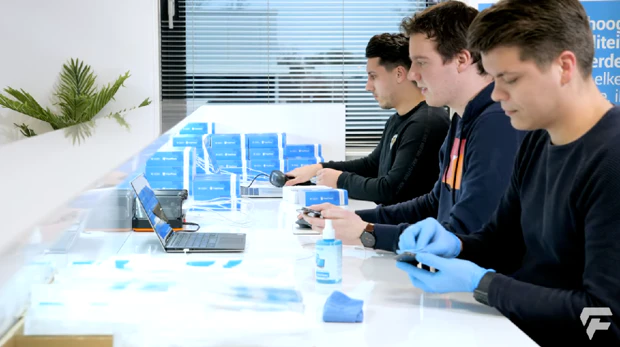
During the refurbishment process, an iPhone is checked against a 50-point checklist, cleaned and, where necessary, fitted with new parts (such as a new battery or screen). This means you get a device that technically works just like new, but for a fraction of the new price. Your savings can be as much as 40%. What’s more, the suppliers in our comparison tool all offer a standard 2-year warranty, and you’ll be contributing to a circular economy by reducing e-waste.
