
Compare wireless earbuds: Find the best deals of 2026
No more faffing about with cables that get tangled or accidentally pull your phone off the table. Fully wireless earbuds (True Wireless Stereo) have become the norm for anyone who loves freedom. Whether you’re focusing on your workout at the gym, want to work undisturbed in a busy office, or are simply looking for the best audio quality on the go: in our up-to-date overview, you can compare the latest models from 2026 in terms of price, battery life and sound quality.
5 products
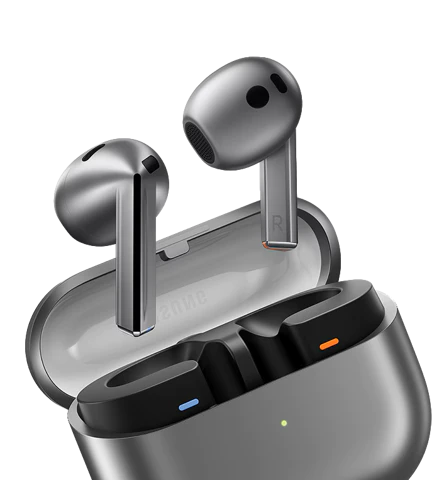
Samsung Galaxy Buds earphones
3 products
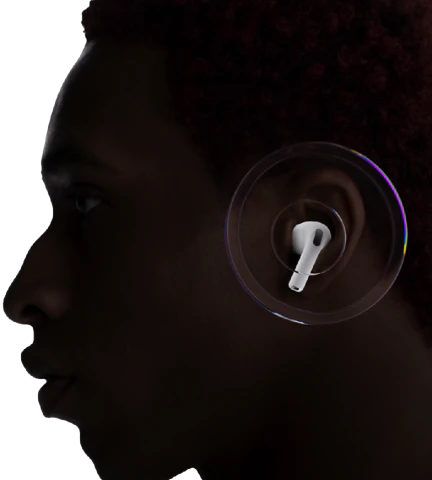
Apple AirPods
14 products
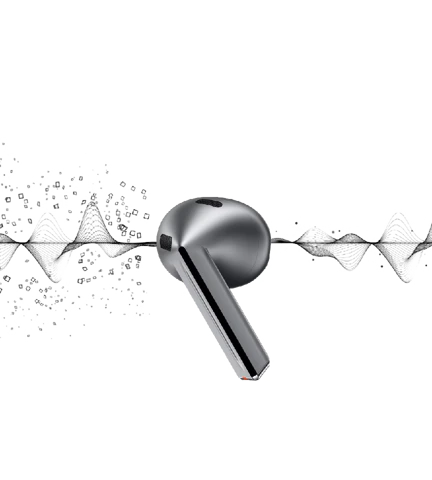
Earbuds with Active Noise Cancellation (ANC)
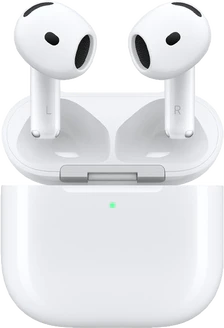
All wireless earbuds
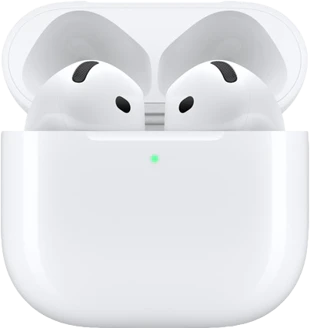

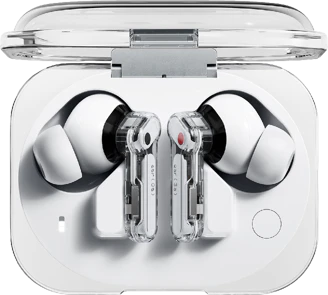
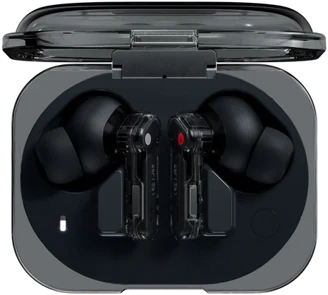


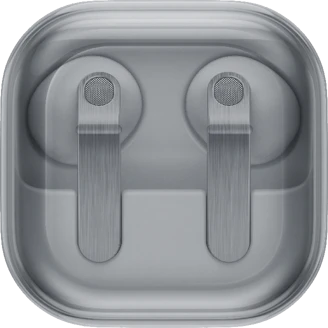
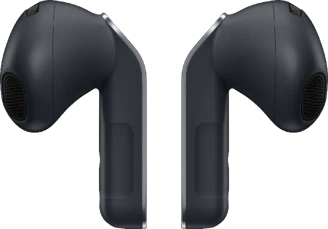
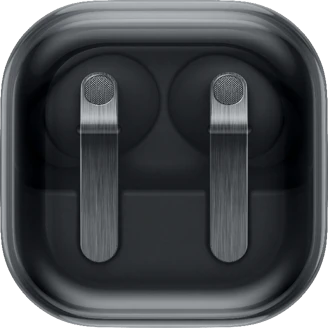



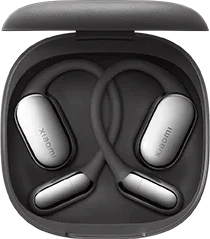
Find the perfect match for your ears
There’s a huge range of wireless earbuds available, but the ‘best’ choice depends entirely on how you plan to use them. For iPhone users, the Apple AirPods remain the gold standard thanks to their seamless integration. Do you have an Android device? If so, the Samsung Galaxy Buds often offer more advanced features at a more competitive price.
Which fit will you choose?
- In-ear: These earbuds with rubber tips sit deep in your ear canal. They offer the best passive noise isolation and deep bass.
- Earbuds: Like the standard AirPods; these rest in the outer ear. Ideal if you don’t like that ‘pressured feeling’ in your ears.
- Open-ear & Bone Conducting: Perfect for runners who still want to hear their surroundings (traffic!) clearly.
Essential features: Noise Cancelling and Battery
If you often travel by train or plane, you can’t do without Active Noise Cancellation (ANC). This technology actively filters out ambient noise, ensuring your music sounds crystal clear even at a lower volume. When making your choice, also pay attention to the battery life of the charging case. Most modern sets from brands such as Sony and Sennheiser offer a total listening time of over 30 hours in 2026, including the power reserve in the case.
Water resistance for sports enthusiasts
Are you looking for earphones for the gym? Then check the IP rating. A rating of at least IPX4 means your earphones can withstand sweat and a rain shower. For the real die-hards, there are waterproof earbuds that can even survive a splash in the water.
Smart ways to save on your new earbuds
Prices for wireless earbuds fluctuate daily. Whilst high-end models such as the Sony WF-1000XM6 or AirPods Pro 3 often come with a hefty price tag, ‘Newer-on-the-block’ brands such as Nothing or Xiaomi, you’ll often find incredible specs for half the price. By comparing prices independently, you can immediately see which online shop currently has the best deal.
