
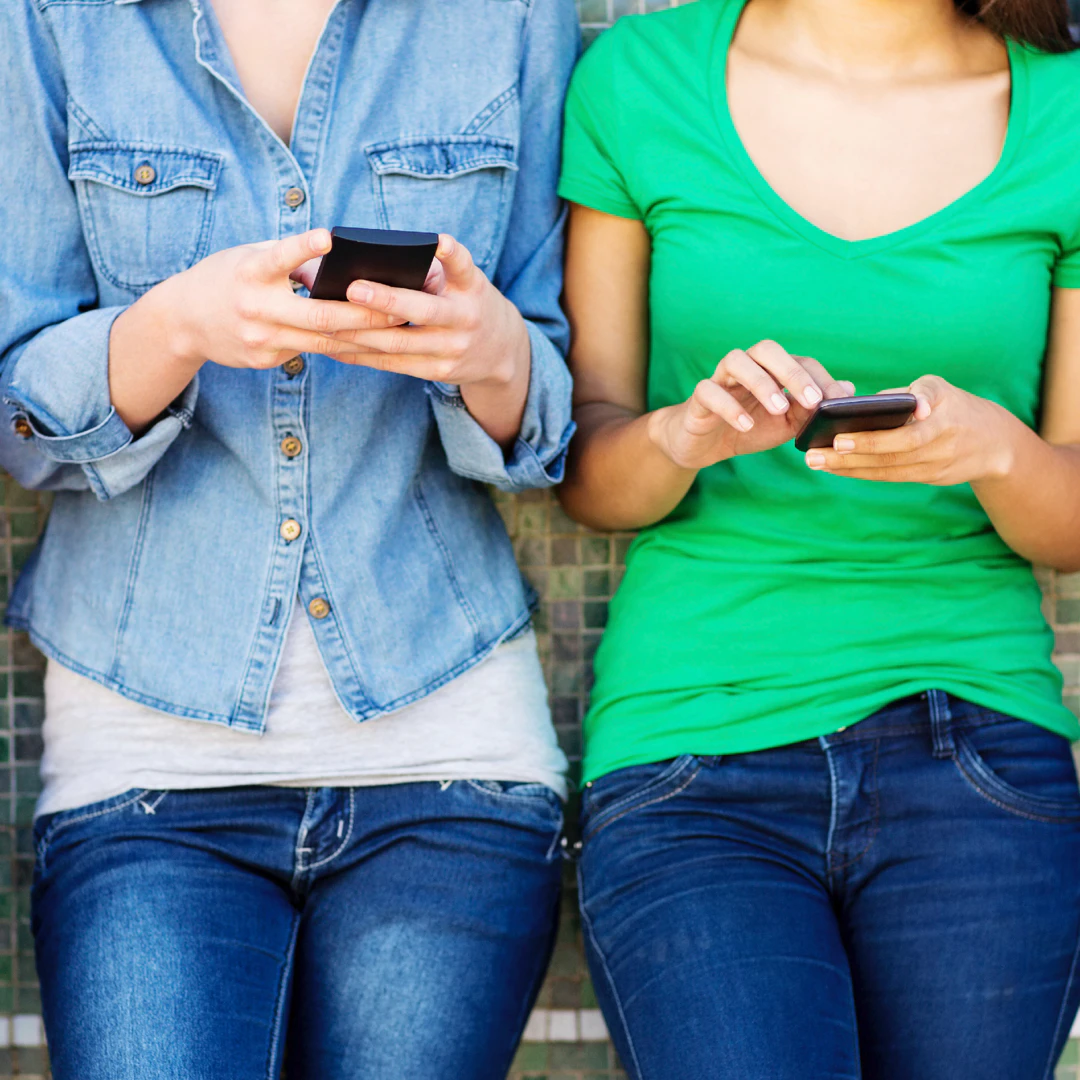
Compare and buy smartphones
Need a smartphone? Here you’ll find an overview of all smartphones sold in the Netherlands, both with and without a contract. We compare prices from all online shops and all providers so that we always have the cheapest – and therefore best – deal. Almost all the phones listed here are SIM-free, so you can use them straight away.
8 products
Smartphone deals
49 products
Samsung Galaxy phones
267 products
New smartphones
236 products
Android smartphones
All smartphones
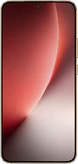
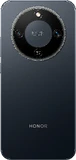
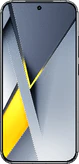
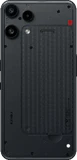


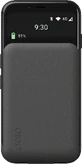
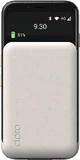

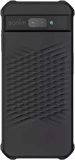
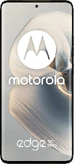

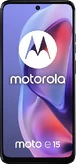
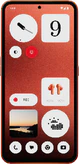
Smartphones are mobile phones that can do a little more than just make calls. Apps enable you to carry out a wide range of functions. To make this possible, a smartphone runs an operating system. Examples include Android or Apple’s iOS, but there are also alternatives.
Types of smartphones
Smartphones come in all shapes and sizes and at every conceivable price. But which smartphone should you choose? The models shown here can be broadly divided into the following categories:
- Budget smartphone: The most affordable smartphones, when price is the most important factor
- Low-end smartphone: Basic features, sometimes with a few extras
- Mid-range smartphone: Smartphones with all the features at a competitive price
- High-end smartphones: Feature-rich smartphones with the best camera and display
- New smartphone: The latest SIM-free smartphone
- Android phone: Latest Android smartphones
- European smartphones: Smartphones from European phone brands
- 5G smartphones: The latest 5G phones
Popular smartphone brands
As well as price, the brand can also be an important factor when choosing a new smartphone. You may be familiar with the interface, already own other devices from that brand, or have purchased certain apps. In other words, you’re already part of the ecosystem. Below are some well-known phone brands that make smartphones:
- Samsung phones
- OnePlus smartphones
- Apple smartphones
- Xiaomi smartphones
- Motorola smartphones
- Sony smartphones
Android smartphones
Three-quarters of all smartphones sold are Android phones. Google releases a new version of this mobile operating system every year. Manufacturers can use it free of charge, provided they meet a number of conditions, which is why many companies have developed phones using it.
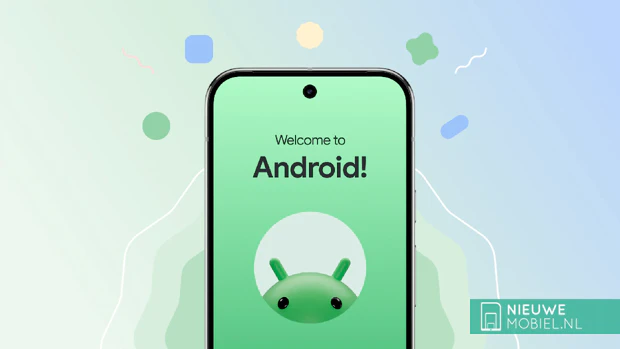
The range of Android phones is therefore vast and varied. The same applies to the price. Anyone looking for a budget smartphone will therefore almost always end up with an Android phone. When considering an Android phone, pay attention to what the manufacturer says about future updates. Unless they use Android One, manufacturers are not obliged to update their phones regularly.
Apple iPhones
The remaining quarter of smartphones sold are mostly iPhones. These are often slightly more expensive to buy but, unlike Android phones, they do receive updates for much longer. Software that is updated regularly is more secure, contains fewer bugs and usually offers more features.
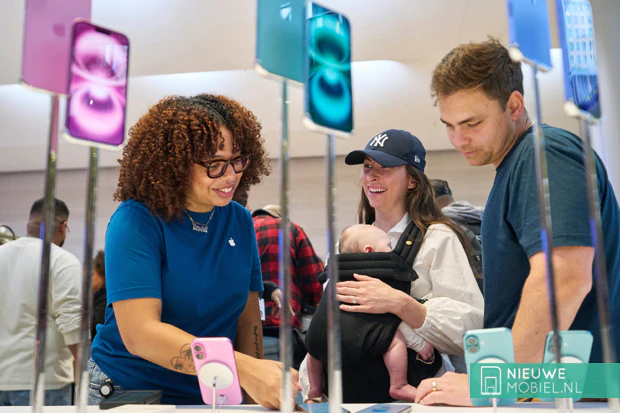
A major advantage of Apple’s iOS operating system is that the range of apps is incredibly vast and generally of high quality. Apps must be approved before they are allowed into the App Store. An additional drawback is that iOS is somewhat more closed. Unlike with Android, there are fewer things you can customise or replace yourself.
Other smartphones
There are also smaller alternatives such as e/OS, an operating system based on Android but stripped of all Google services, and HarmonyOS. The latter was developed by Huawei as an alternative to Android after they were denied access to Google services.
History of the smartphone
Many people think that Apple invented the smartphone with the iPhone, announced in 2007. Nothing could be further from the truth. The first smartphone dates back to 1992 and was made by IBM, but it was not widely available. The Nokia 9000 Communicator from 1996 was, however; a clamshell device that was a cross between a PDA and a telephone.
In early 2000, the emergence of the Symbian operating system led to a wide range of smartphones. That was also the period when brands such as BlackBerry and T-Mobile, with its Sidekick, dominated the market. That changed when Microsoft launched Windows Mobile in mid-2000.
Who wants a stylus? You have to get them and put them away and you lose them. Yuck!
When Apple announced the first iPhone in 2007, it sparked a shift from smartphones with small screens and keypads to large touchscreens. It would herald the end of BlackBerry, Nokia and Windows Mobile. But it also marked the rise of Android.
Functions taken over by smartphones
Smartphones have taken over the functions of many devices. Think of PDAs, compact cameras, camcorders, MP3 players, GPS navigation, calculators, alarm clocks, watches, and so on. This became possible as electronics became increasingly smaller and more powerful. Furthermore, prices fell, making the smartphone more accessible to far more people.
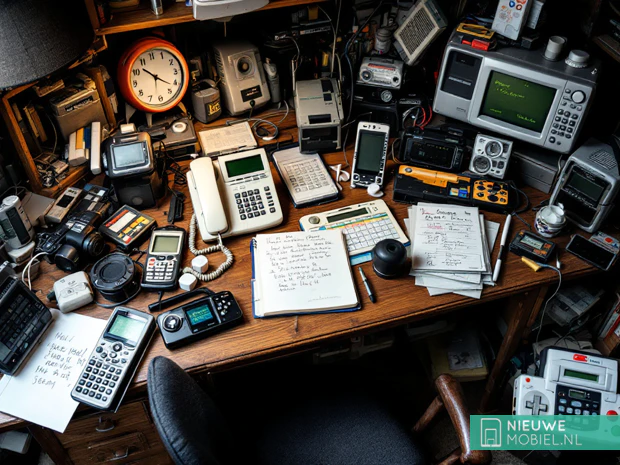
The list of products that have become redundant has now grown very long, and we hardly ever see timers, voice recorders, photo albums, address books, road maps, answering machines, landline phones, payphones and scanners anymore.
