Compare Apple iPhones
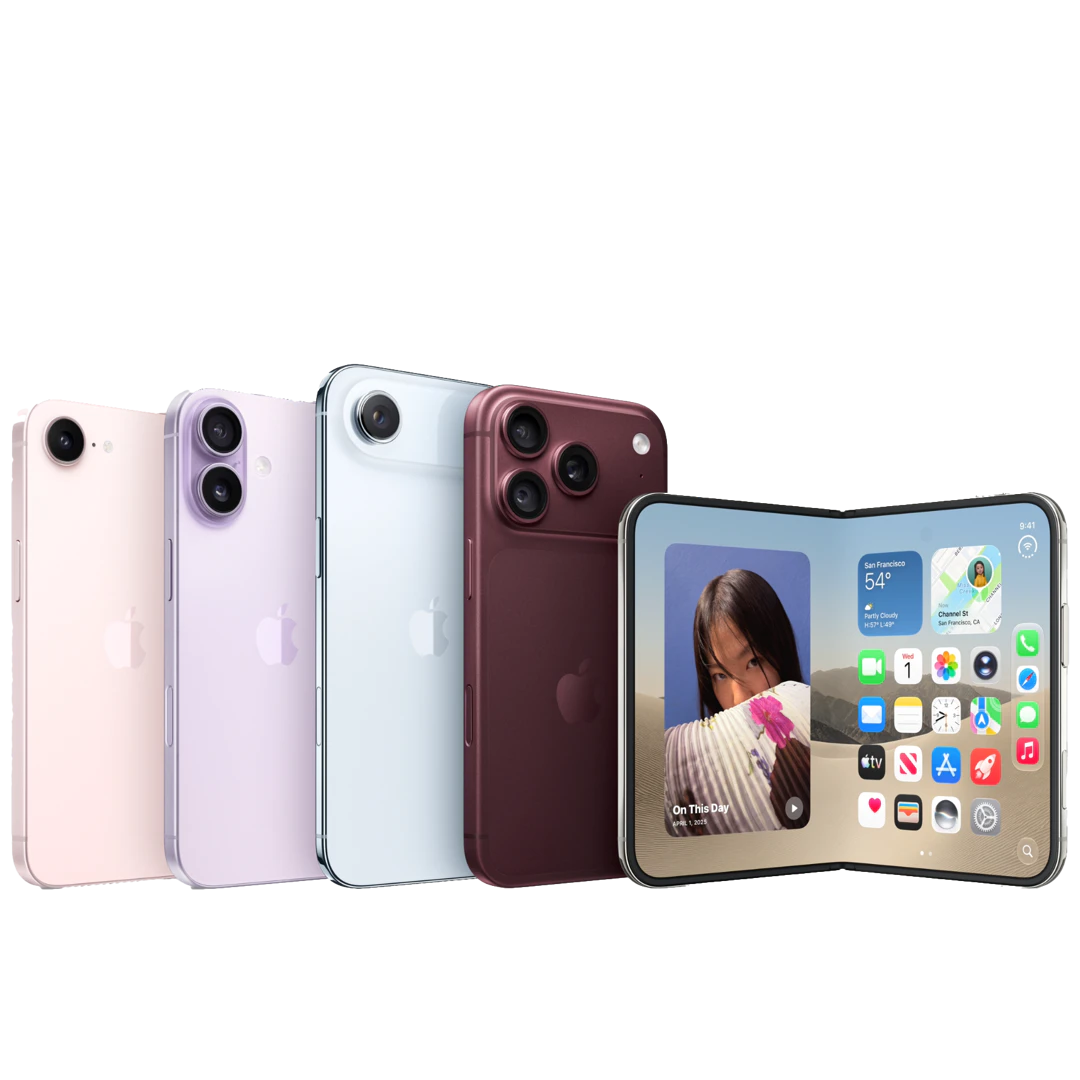
Choosing an iPhone isn’t a question of new or old, but of what you use it for. Apple sells several generations side by side: Pro models for those who take photos and shoot videos, all-rounders that are more than enough for most people, an ultra-slim model, a foldable iPhone and affordable entry-level models. Below, you can compare all iPhones side by side, independently and with up-to-date prices from dozens of online shops and mobile providers. Prefer to save money without compromising? Then take a look at the refurbished iPhones. Click through to the series or model that suits you; there you can compare specifications and prices by provider.
9 products
iPhone 18 series
3 products
Refurbished iPhones
4 products
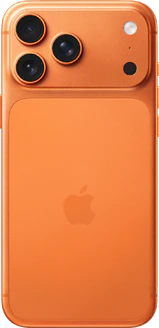
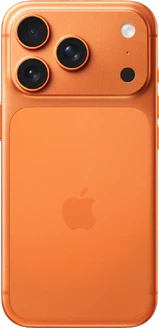
iPhone Pro models
Cheap iPhones
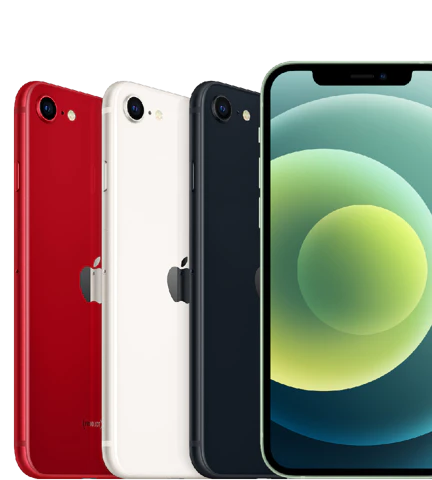
All Apple iPhones



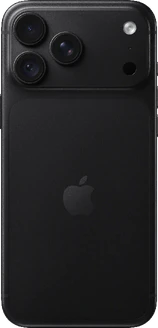

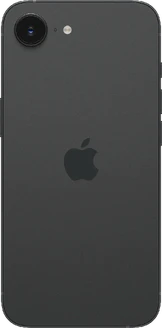
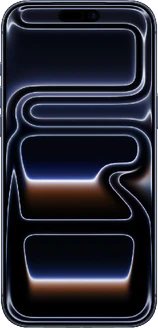

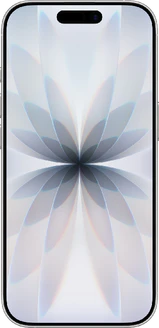
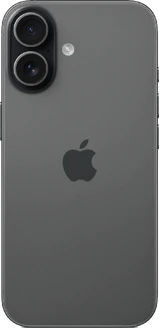
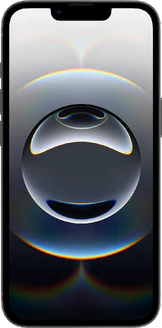
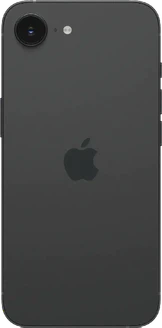
Which iPhone is right for you?
Every model in this overview runs the same version of iOS, receives updates for years to come, and works with the same apps and accessories. The difference lies in three things: how good the camera needs to be, what size and weight you prefer, and how much you want to spend.
How do iPhones really differ?
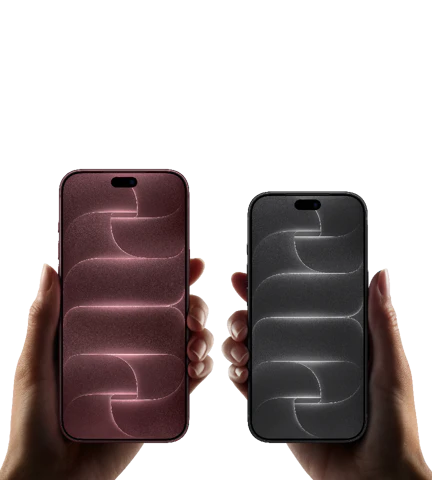
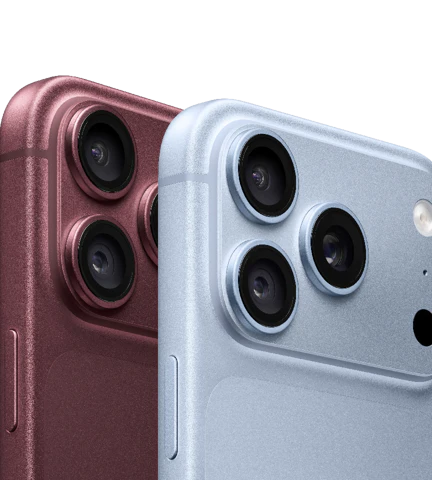
- iPhone Pro models: three 48MP cameras with a telephoto lens, the fastest chip and the largest batteries; the iPhone 18 Pro adds a variable aperture, allowing you to control depth of field and light intake yourself.
- iPhone 17: the all-rounder: 120Hz display, dual 48MP camera and the same updates as the Pro, without a telephoto lens and without the Pro price tag.
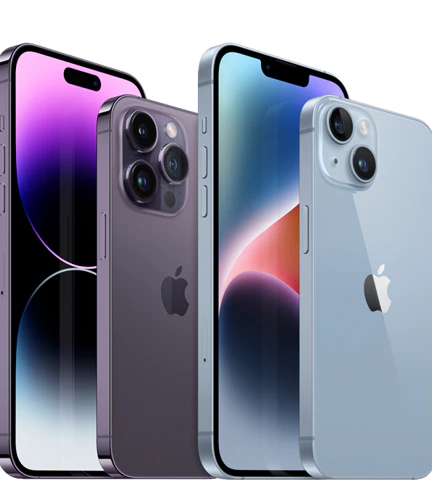
- iPhone 17e and iPhone 16: the entry-level models: everything you need for everyday use (Face ID, USB-C, a good main camera), with a simpler display or a chip from the previous generation.
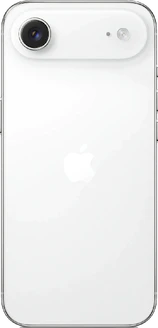
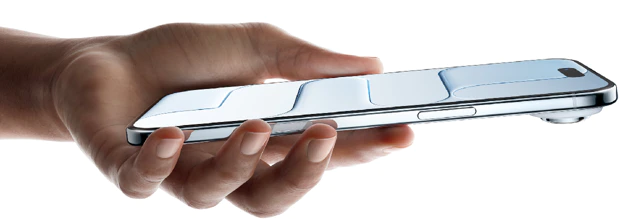
- iPhone Air: the thinnest and lightest iPhone in the range (5.6 mm), with a large screen; in return, you compromise on battery life and zoom.
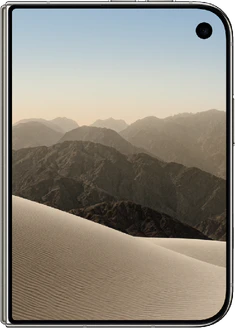
- iPhone Duo: the foldable iPhone: compact when folded, with a screen almost the size of a tablet when unfolded, featuring Touch ID instead of Face ID.
What you don’t need to worry about: every iPhone in this overview has Face ID or Touch ID, USB-C, MagSafe and at least five years of iOS updates from launch (which is the minimum at Apple). So there’s no such thing as the ‘wrong’ iPhone; it’s all about finding the one that suits your needs.
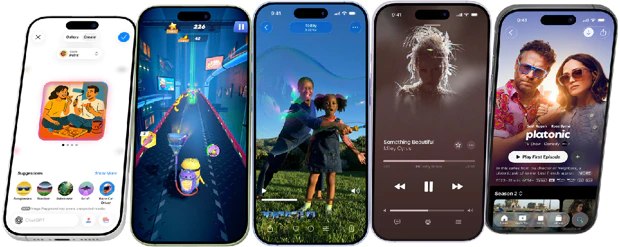
Which iPhone is right for whom?
Choose a Pro model if you take lots of photos or videos and want to zoom optically.
Choose the iPhone 17 if you simply want the best iPhone for most people.
Choose the 17th or iPhone 16 if a fully-featured iPhone doesn’t need to be expensive for you.
Choose the iPhone Air if a slim and light design is more important to you than battery life and zoom.
Choose the iPhone Duo if you want a large screen without having to carry a large phone in your pocket.
Pro or standard: what do you really need?
Now that even the standard model has a 120Hz screen, the Pro has become a choice for specific needs. Three questions will help you decide. Do you often zoom in? The Pro models have a telephoto lens for optical zooming without any loss of quality; a standard iPhone zooms digitally and therefore sacrifices some detail. Do you film or edit extensively? The Pro chip and larger battery can sustain this for longer. Do you want the most premium finish and the thinnest screen bezels? That’s also Pro territory. If you answer ‘no’ to all three, then with a Pro you’re paying for technology you won’t use.
Latest generation or a year older?
A previous-generation iPhone is often the smart buy: the same updates, the same apps and usually a lower price. Just don’t count on it blindly: Apple sometimes keeps prices the same for older models or even increases them when a new generation is released. So always compare the current prices in the overview above with those of the Latest range before you make your choice.
Refurbished iPhones: good for your budget and the planet
If you find a new iPhone too expensive, a refurbished iPhone is the smartest choice. These aren’t second-hand devices from private sellers, but professionally refurbished units.

A refurbished iPhone is checked against a 50-point checklist, cleaned and, where necessary, fitted with new parts, such as a battery or screen. You get a device that works technically as good as new for a fraction of the price of a new one; the saving amounts to 40%. The suppliers in our comparison tool offer a standard 2-year warranty, and you help reduce e-waste.
