Thinking of buying a OnePlus phone? A round-up of remaining stock, updates and warranty details
OnePlus stopped releasing new phones in Europe in July 2026. The devices shown below are therefore the last ones to have been officially launched here: any stock remaining with shops and mobile network operators will not be replenished. You can still buy them, as the promised updates and the warranty remain valid. However, you’ll be buying a phone from a brand with no successors. Below, you can read what that means if you decide to buy one now, and what will change if you already have a OnePlus in your pocket.
3 products
Nord series
2 products
Flagship series
All OnePlus phones
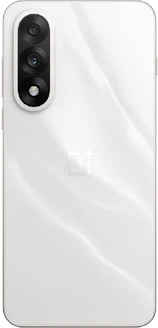

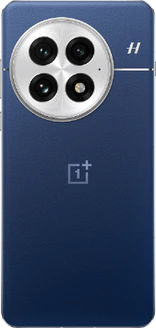
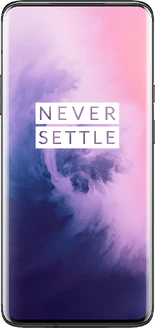
OnePlus has ceased operations in Europe: here’s the situation
On 16 July 2026, OnePlus announced that it would cease launching new products in Europe and North America. The brand won’t disappear from shops overnight, but no new models will be added here. What’s currently in stock is all there is.
The brand itself is not ceasing to exist. OnePlus will continue to operate in India and China, whilst in Europe its sister brand, Oppo, will take over from OnePlus. Both brands are part of the same parent company, which also explains why, in recent years, the software of the two has been virtually indistinguishable: Oppo uses the same ColorOS software and the same SuperVOOC charging technology that you’re familiar with from OnePlus.
Still thinking of buying a OnePlus: what should you look out for?
A OnePlus from remaining stock is not a bad buy. The hardware hasn’t become any worse just because of a press release. But there are four points to bear in mind when making your decision:
- This will be your last OnePlus:
If you value a familiar environment, now is precisely the time to look at other brands as well: OnePlus is discontinuing its operations in Europe. - The update period will not be extended:
You’ll receive the update and security support period promised for your model, and nothing more than that. For a device that’s been on the market for some time, that remaining period is therefore shorter than for a newly released model from a brand that’s still active here. - Spare parts must remain available:
On paper, you’re in the clear: EU rules oblige manufacturers to supply spare parts such as screens and batteries within five to ten working days, for up to seven years after the end of the sales period. The question is how smoothly this will work in practice for a brand that no longer has a shop to lose here. This obligation does not apply to cases and, in particular, SuperVOOC chargers; it’s not a bad idea to take a compatible charger with you straight away, as you won’t achieve the high charging speed without it. - Your first point of contact is the shop:
The manufacturer’s warranty remains valid and is honoured by Oppo in Europe, but in the Netherlands the retailer from whom you purchase the product is legally responsible for ensuring it is fit for purpose. That right does not change simply because a brand withdraws from the market. So make sure you buy from a retailer you’ll still be able to contact in two years’ time.
The update policy: this is what has been promised
The promise that came with your device remains in place, but nothing extra will be added. For the newer models, that promise is generous: the OnePlus 15, OnePlus 13 and 13R were promised four major Android versions, as were the Nord 5 and Nord CE 5. On top of that, the recent models are guaranteed six years of security updates; for the Nord 5, this period runs until July 2031. Older models and the Lite variants were promised a shorter support period, so check per device how much time is left.
- Security patches: will continue until the end of the period promised for your model.
- Major Android versions: these are also provided, but from Android 17 onwards in the form of ColorOS.
- Extension: there won’t be one. The number of years that applied at the time of purchase is the number of years you’ll receive.
- EU minimum requirement: manufacturers must provide operating system and security updates for at least five years after the last unit is sold. That is the minimum requirement, not a promise.
- New features: don’t expect any major new software features created specifically for this market.
I already have a OnePlus: will anything change for me?
Not much in the short term. OnePlus has committed to ensuring that existing devices continue to receive the planned software updates and security patches within the originally agreed timeframe, and that warranty and repair services remain in place. So your phone will continue to work as normal and remain secure.
What you will notice, however, is that the brand surrounding your device will fade away: no new accessories, a smaller range of spare parts and, in the long run, less attention paid to European requirements in the software.
Who should you contact for repairs and service?
In practice, little will change in terms of the process. If your device breaks down within the warranty period, you should report this to the shop where you bought it; in the Netherlands, this will remain your first point of contact. As for the manufacturer’s warranty itself, Oppo is taking over the obligations in Europe, so you’ll soon be contacting that brand’s after-sales service.
What OnePlus hasn’t specified is how long its own channels will remain in place. The North American user forum closed on 16 August 2026; the European community remains online for the time being. It’s therefore best to keep user manuals, firmware and solutions for your device yourself rather than relying on them still being online in three years’ time.
OxygenOS is being phased out, to be replaced by ColorOS
The biggest change lies in the software. After eleven years, OnePlus is discontinuing OxygenOS. From Android 17 onwards, existing devices will switch to ColorOS, Oppo’s version of Android. This will happen via a standard system update; you won’t need to do anything yourself.
In practice, the difference is less significant than it sounds: the latest generations of OxygenOS and ColorOS already shared virtually the same foundation and differed mainly in terms of design. Do expect different icons, menus and settings to what you’re used to. One warning: if you manually revert your device to OxygenOS, you may cut yourself off from future updates.
The series that OnePlus is phasing out in Europe
In the overview above, you’ll find two families, plus one odd one out.
- The flagship series:
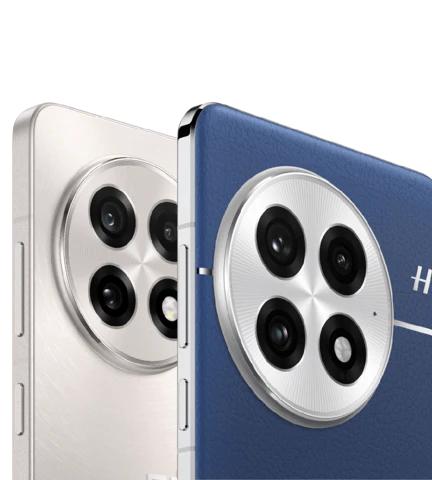
the numbered series, featuring the fastest processors, Hasselblad-tuned cameras and the most premium build quality. The OnePlus 15 is the latest top-of-the-range model to be released here. - The Nord series:
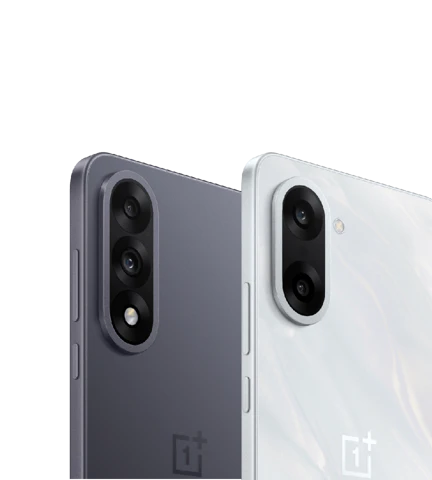
for years, the answer for those who wanted most of those features without stepping into the top-tier segment. Within that range, there are also the CE and Lite variants, such as the Nord 3, for those who prioritise battery life. - The foldable:
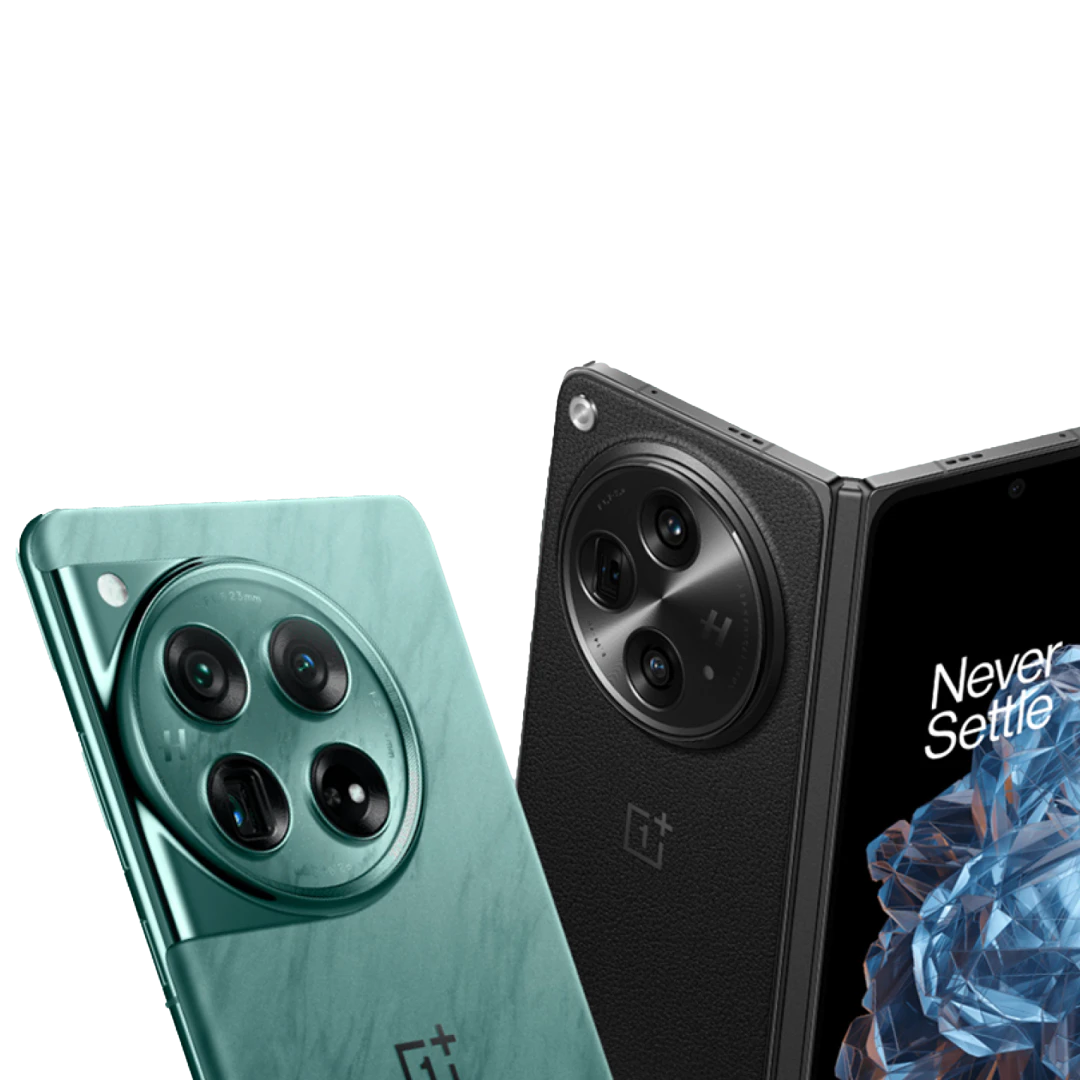
the OnePlus Open remains the brand’s first and, to date, only foldable phone. A successor has been delayed several times and is no longer on the cards, which makes this device both the beginning and the end of a chapter.
SuperVOOC: the trademark that endures
Whilst many brands stuck with modest charging speeds, OnePlus devices charged at 80W or even 100W SuperVOOC. Fifteen minutes on the charger is enough for most of the day with these models. You can only achieve that speed with an original SuperVOOC charger, and it is precisely these that are now becoming harder to come by. A good reason to pick one up straight away.
