
Buying a charger: which one is right for your device?
Need a charger? No matter how big your battery is, there comes a time when you need to top it up. That goes for you, but also for your devices. And because you don’t want to spend any more time than necessary on the charger, choose one that’s best suited to your device and can charge it as quickly as possible. You’re guaranteed to find it here.

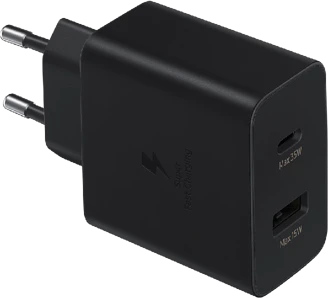
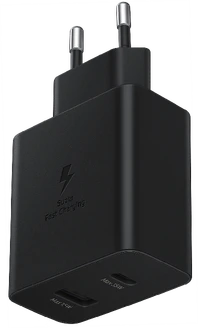
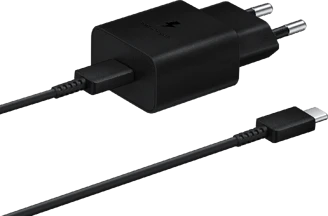
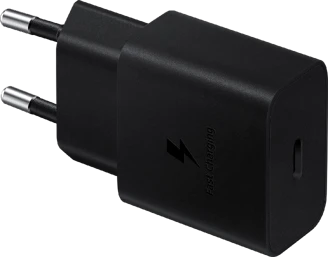

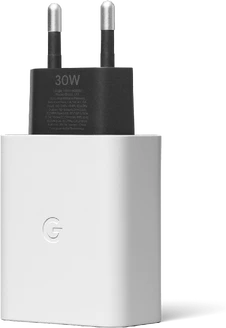
Which charger do you need?
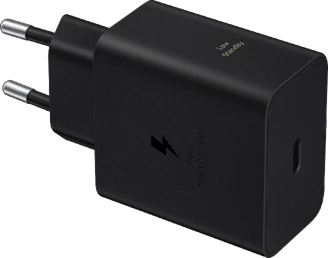
Choose a charger based on three things: the connector, the power output in watts and the cable. The connector is now almost always USB-C, the power output determines how long it takes to charge, and the cable is the silent spoilsport that almost nobody thinks about.
USB-C is mandatory in the EU
Since 28 December 2024, all new phones, tablets, headphones, e-readers, cameras, games consoles and computer mice placed on the market in the EU must be chargeable via USB-C (Government website). The same rule has applied to new laptops since 28 April 2026. So, one charger for everything. The downside is that you can no longer use your old micro-USB charger with new devices.
The charger is no longer included in the box
When buying a new device, expect to have to purchase a charger separately. Apple stopped including an adapter in 2020, Samsung followed suit a year later, and many other brands have done the same: at most, you’ll get a cable. The EU doesn’t require manufacturers to include a charger, but it does require them to display a pictogram on the packaging to indicate whether one is included. Good for the environment, not so good for your wallet.
How many watts do you need?
For a mobile phone, a 20 to 30-watt charger is more than enough in practice. If you’re also charging a tablet or laptop, 45 to 65 watts is more practical. A more powerful charger won’t damage your phone, as it only draws as much power as it can handle, but it also won’t charge any faster than your device allows. You can find out exactly what your model requires under ‘fast chargers’.
- Fast chargers: for those who want to spend as little time as possible plugged in, with 45 watts or more.
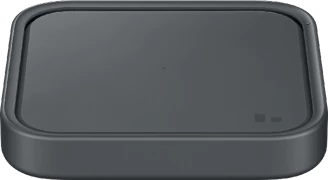
- Wireless chargers: convenience over speed – you simply place your device on the charger rather than plugging it in.
- Power banks: a charger that carries its own power supply – handy when you’re on the move.
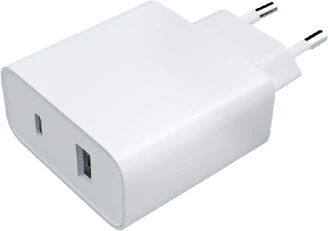
- Multi-port and travel chargers: one adapter for your phone, earphones and laptop all at once, often with plugs suitable for use abroad.
The cable also plays a part
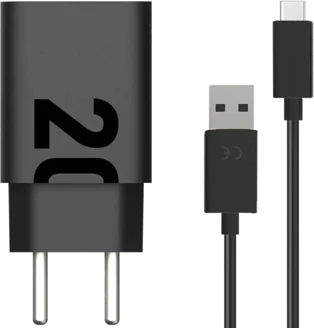
A charger is never faster than the cable connected to it. A standard USB-C cable is designed for a maximum of 60 watts. If you want more, you’ll need a cable with an e-marker chip, capable of 100 or even 240 watts. If your device uses a proprietary fast-charging technology, it often comes with the manufacturer’s own cable. An expensive charger with a cheap cable is a waste of money.
With a cable or wirelessly?
A cable is faster, but wireless is more convenient. Anyone who leaves their phone next to their bed at night won’t notice the difference in speed. But anyone with twenty minutes to spare between appointments will. Read more about wireless chargers or see which phones support wireless charging.
