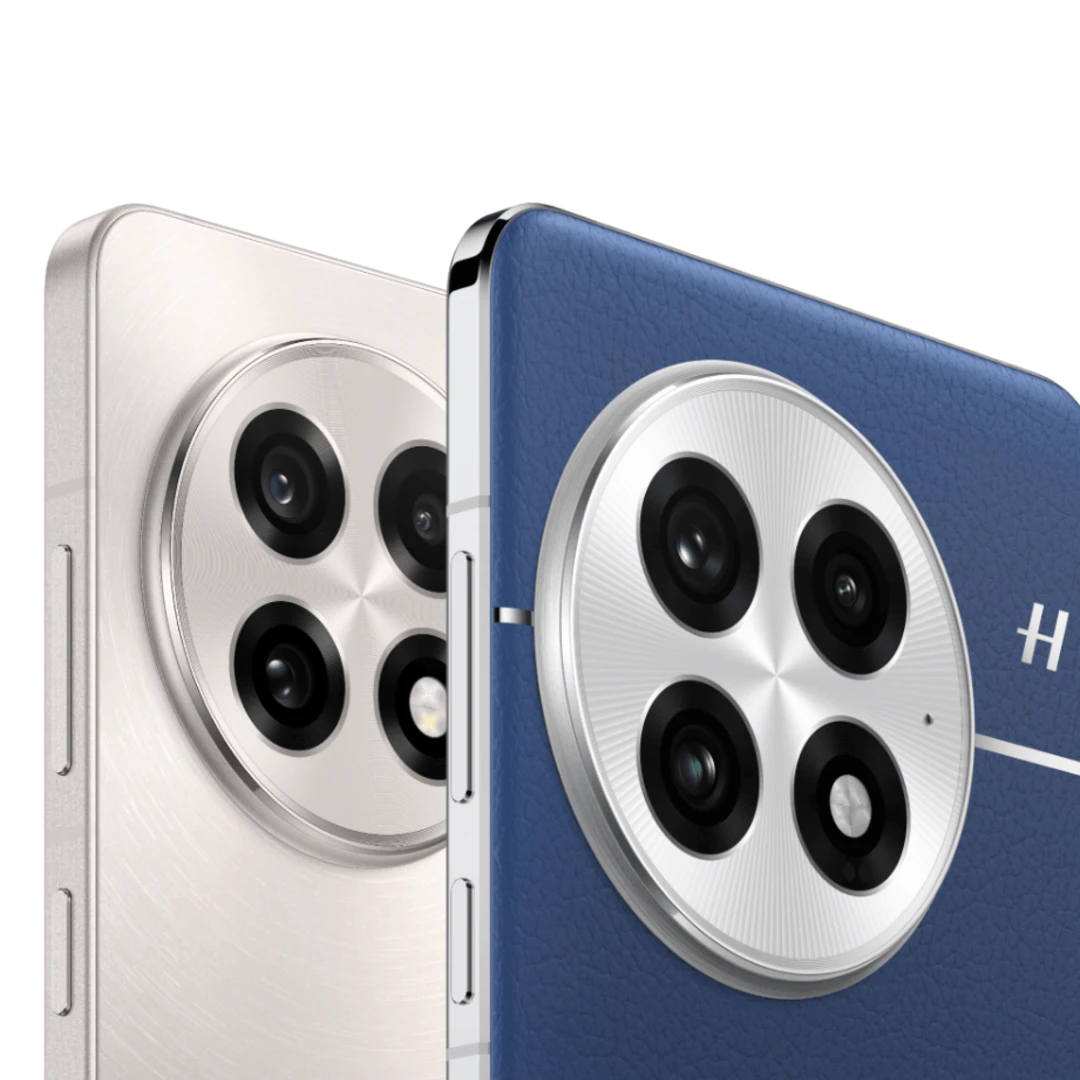
OnePlus flagship models: the latest top-of-the-range models for Europe
For years, OnePlus’s flagship models were renowned as the best value for money phones. Since July 2026, the brand has stopped releasing new models in Europe, meaning the devices in this overview are the last ones to have been officially launched here. Any remaining stock is still being sold, but will not be restocked. Below, you can compare the remaining models and find out what to look out for if you’re still thinking of buying one now.

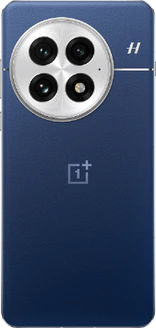
All OnePlus flagship models
No more new OnePlus flagships in Europe
OnePlus stopped launching new products in Europe and North America in July 2026. A successor to the OnePlus 15 will therefore no longer be available here; it will only be released in markets such as India and China. You can still buy a OnePlus flagship whilst online shops and mobile network operators have stock. After that, you won’t be able to. You can read exactly what this means for your warranty, your updates and the switch from OxygenOS to ColorOS on our OnePlus brand page.
Is it wise to buy a top-of-the-range model now?
The hardware hasn’t taken a hit. A latest-generation OnePlus flagship still boasts a top-of-the-range processor, a display that rivals the best, and charging speeds that many far more expensive devices can’t match. If performance is your main priority, you’re still getting a lot for your money.
The main question is how long you want to keep using it:
- Remaining update period:
The OnePlus 15 and 15R were promised four major Android versions, as was the OnePlus 13 and 13R, along with six years of security updates for the recent models. That promise still stands, but will not be extended now that the brand is discontinuing this support. The longer a model has been on the market, the less of that period remains. - Spare parts and chargers:
Under EU rules, screens and batteries must remain available for up to seven years after the end of the sales period. This obligation does not apply to accessories, and SuperVOOC chargers in particular are becoming scarcer. Make sure you get an original charger straight away, otherwise you won’t achieve the high charging speed. - Trading in later:
A brand with no successors and no new buyers is not a plus for the second-hand market. Don’t count on being able to sell this device on easily in a few years’ time.
The main model or the R version?
For most generations, OnePlus released two variants, and you’ll find both of them in the overview above. The difference isn’t in the speed, but in the bezels.
- The main model:
The choice for those who value photography. The OnePlus 15 and OnePlus 13 feature the full camera system with Hasselblad tuning, wireless charging and a glass and aluminium body. - The R variant:
The 15R and 13R have the same lightning-fast processor and a large screen, but a simpler camera system, no advanced zoom and, in most cases, no wireless charging. For gamers and binge-watchers on a budget, this has been the smartest buy for years, and it still is in the sales.
SuperVOOC: charging whilst you tie your shoelaces
All the flagship models on this list charge using 80W or even 100W SuperVOOC. In practice, this means: a quarter of an hour on the charger in the morning whilst you’re having breakfast, and you’ll get through the day. One important caveat, though, now that no new devices or accessories are being released: you’ll only achieve that speed with an original SuperVOOC charger.
From OxygenOS to ColorOS
The software is changing its name. After eleven years, OnePlus is discontinuing OxygenOS: from Android 17 onwards, existing devices will switch to ColorOS – the Android version from sister brand Oppo – via a standard system update. The underlying architecture of both systems was already virtually identical, so expect mainly a different look and a different layout for the settings. If you manually revert a device back to OxygenOS, you run the risk of missing out on future updates.
