
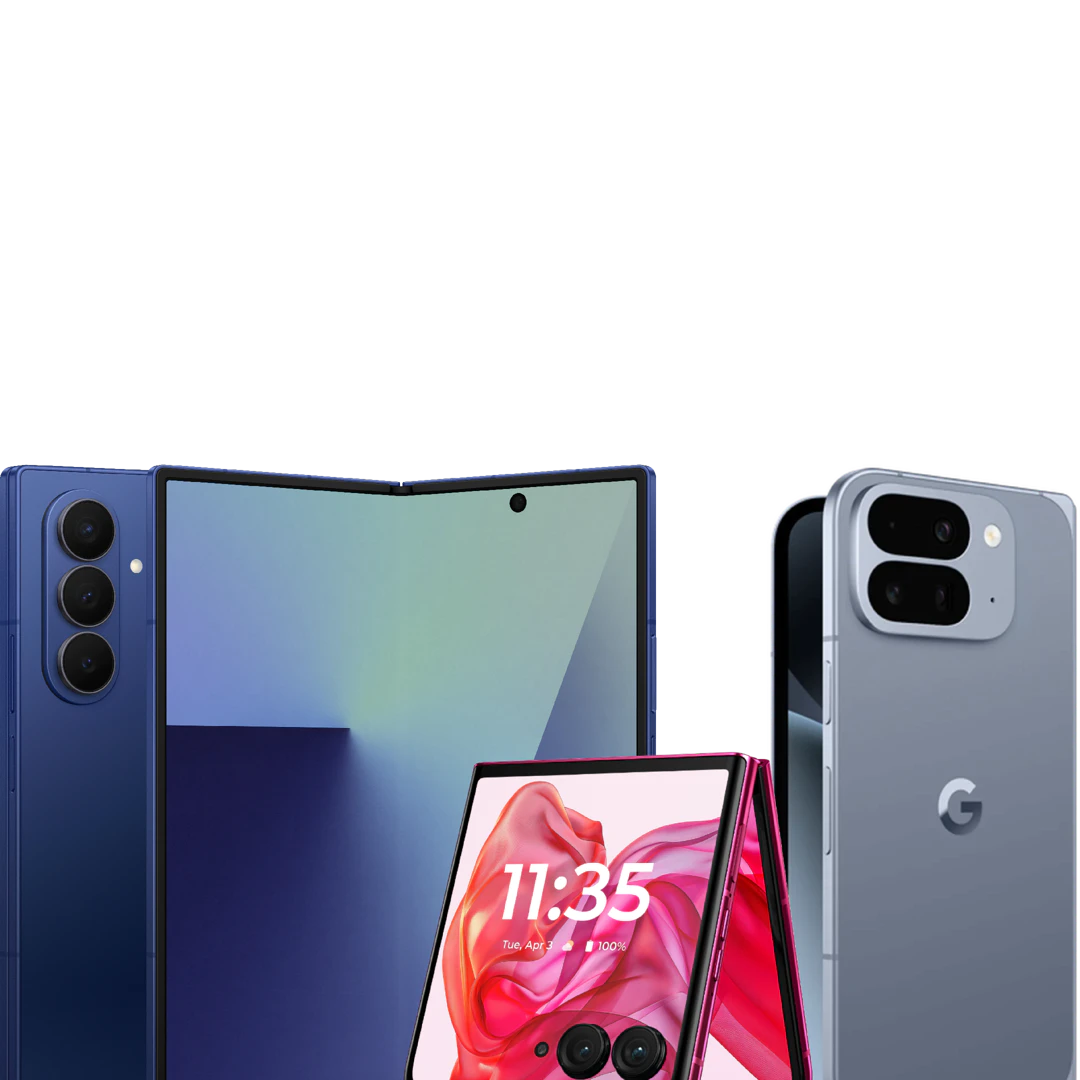
Foldables
Need a foldable phone? Compare all available or upcoming foldables here. Check prices with or without a contract and read reviews from real users. If you want to be the first to own tomorrow’s phone and are on the lookout for The Next Big Thing, this is the place to start your search.
10 products
Samsung Galaxy Z models
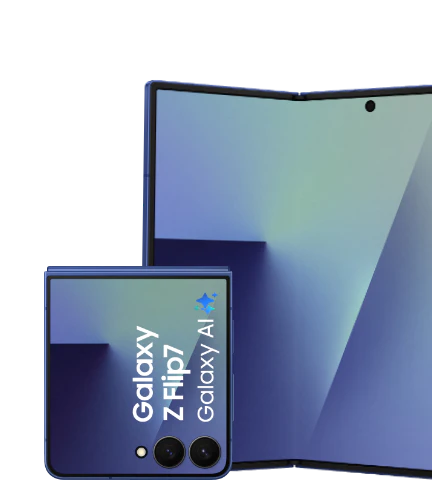
3 products
Motorola razr phones
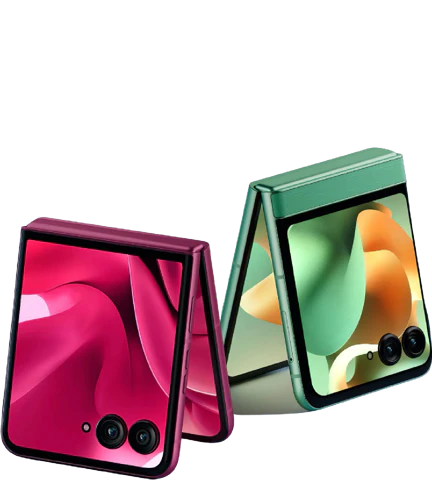
19 products
Bookstyle foldables
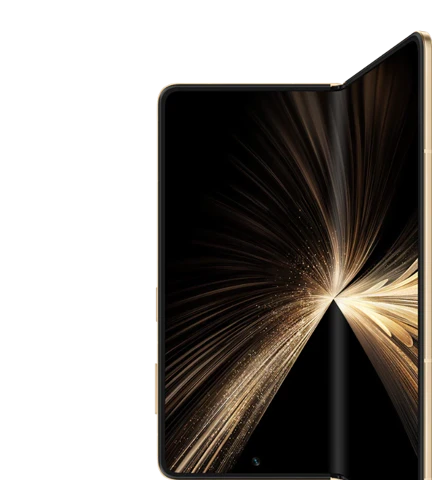
All foldables

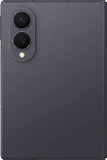
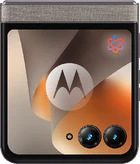
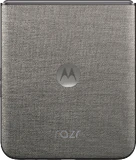
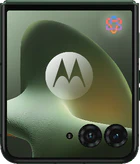
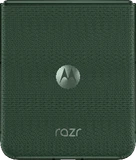
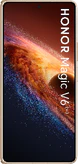
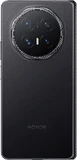
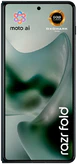
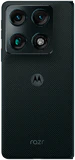
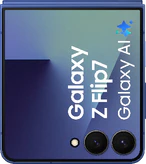
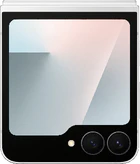
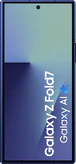
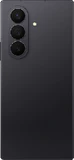
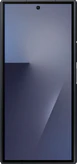
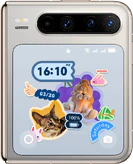
Foldable mobile phones, also known as ‘foldables’, are phones that you can usually fold in half. This usually applies to the screen as well, allowing you to fit a large screen into a small body.
Holy Grail
Foldable phones are seen as the Holy Grail in the quest to fit ever-larger screens into ever-smaller bodies. By folding the screen, you roughly halve the size, with the only drawback being an increase in thickness.
Foldable technology opens up many possibilities
This design is relatively new and may well be the starting point for many different new designs. There are many conceivable ways in which phones can be folded in half: horizontally like a book, or vertically like a notepad. A manufacturer could also choose to fold open only part of the device. Even before the first foldable phones were released, we saw many different designs emerge. The fact is that it inspires many manufacturers to come up with something new once again.
False start
When you say ‘foldable phone’, you immediately think of the Galaxy Fold; Samsung’s first foldable device. The company gave a few tech journalists and YouTubers a test unit just before its global launch. Some of these units broke down after just a few days. Samsung postponed the launch to resolve any issues and to safeguard the future of foldable technology. After all, foldables are seen as the next chapter in the still relatively short history of smartphones.
Predecessor to foldables: flexible screens
Manufacturers have been dreaming up fully foldable phones for years. A precursor to these were phones with flexible screens, such as the Samsung Galaxy Round. This featured a curved screen. Others also made the casing partially flexible, such as LG with the LG Flex.
However, it was primarily Samsung that carried out extensive research into flexible screens and associated casings under the name Youm. After the Round, we mainly saw AMOLED screens marketed under the name ‘Edge’, with their distinctive curved edges. Phones equipped with these screens were not themselves flexible, nor did the curved screen offer any truly standout feature.
