Galaxy S27 Pro and Ultra finally get Samsung’s best display, following Apple
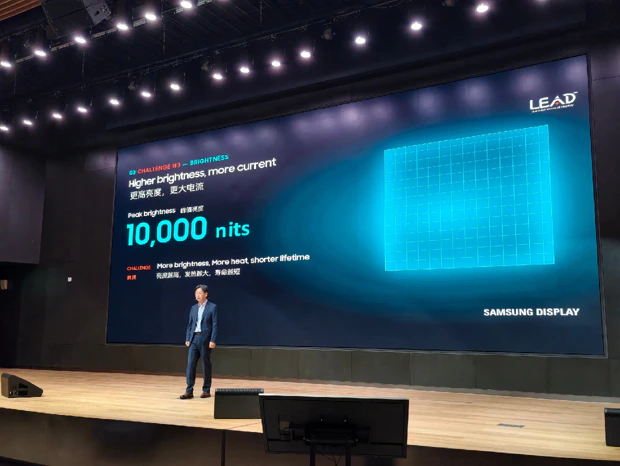
For two generations in a row, both the iPhone Pro and the Google Pixel received Samsung Display’s latest OLED panel. Meanwhile, Samsung kept its own Galaxy S Ultra on the older M13 panel. This changes with the release of the S27 Pro and S27 Ultra, which will feature the new M16 OLED panel. According to Samsung Display, this panel reaches up to 10,000 nits and is 30 percent more energy-efficient than comparable screens.
In recent years, anyone looking for phones with the latest and best Samsung displays shouldn’t have turned to Samsung. The Galaxy S25 Ultra stuck with the M13 panel, while the iPhone 16 Pro and Pixel 9 Pro already featured the M14; according to analyst Ross Young, Samsung wanted to keep prices in cheque following the expensive Snapdragon 8 Elite, as Sammy Fans reported at the time. A year later, the exact same thing happened: the S26 Ultra stuck with M13, while the iPhone 17 Pro and Pixel 10 Pro were on M14. So the South Korean conglomerate is profiting handsomely from the competition, but its own Galaxy buyers received an older display for two generations in a row. With the Galaxy S27 Pro and S27 Ultra, Samsung is finally updating its flagship series.
Apple Got the M16 First
The news comes from ETNews, which reports that the M16 OLED panel has higher brightness, is more energy-efficient, and reproduces colours more accurately. We need only look at the iPhone 18 Pro series and iPhone Duo; they are already equipped with Samsung’s M16 OLED screens.
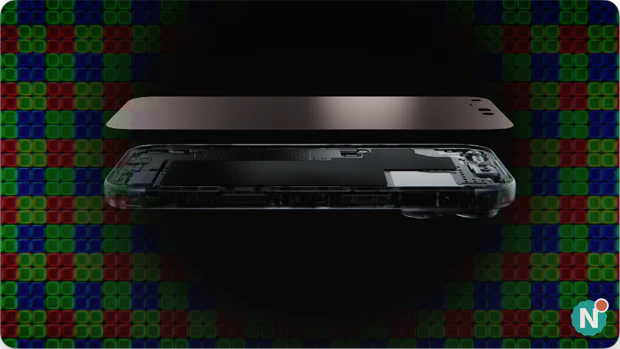
The first Android device with M16 will be the iQOO 16: that phone has not been announced yet, but iQOO and Samsung Display already showcased its display on September 14 at a joint press event. So Samsung isn’t the first there either. For its own Galaxy S27 Pro and Ultra, Samsung is adding a privacy feature we previously saw on the S26 Ultra. This feature drastically reduces the viewing angle, preventing unwanted peeking. In addition, both devices will feature COOE (Colour Filter on Encapsulation) technology: the colour filter replaces the polariser, making the screen thinner and reducing light loss.
What the M16 screen can do: 10,000 nits and 30 percent more energy-efficient
Samsung Display reports in its press release regarding that event a peak brightness of 2,800 nits across the entire screen and up to 10,000 nits on a small portion of it, a refresh rate of 1 to 165 Hz, and up to 30 percent lower power consumption than comparable 165 Hz displays. The name “M16” and the 3,300 Hz PWM dimming—which is more comfortable for those sensitive to screen flicker—come from iQOO itself, according to the presentation from which UniverseIce shared images on X.
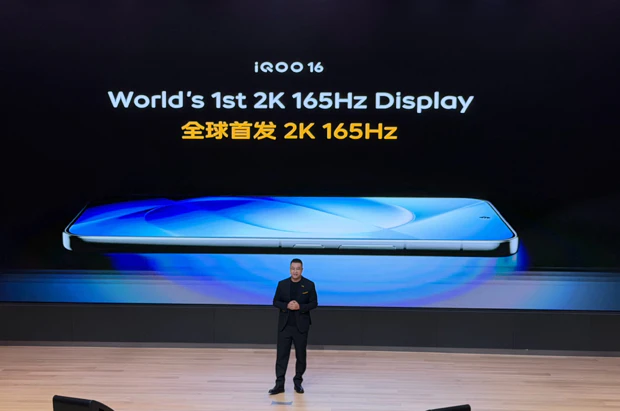
One caveat: these are the specifications for a 6.9-inch gaming panel for the iQOO 16. That the S27 Pro and Ultra will feature the same M16 materials is reported only by ETNews, and manufacturers typically set display specifications slightly lower than what is technically possible. Interestingly, Apple claims that the iPhone 18 Pro reaches 3,000 nits outdoors—more than the 2,800 nits Samsung Display specifies for the entire screen; each manufacturer measures brightness in its own way, so what the S27 Ultra will actually achieve will only become clear in tests.
The sticking point with the S26 Ultra
For anyone who owns an S26 Ultra, that brightness issue is no minor detail. Tom’s Guide recorded a peak of 1,806 nits compared to 1,860 nits for the S25 Ultra: the latest Ultra was therefore less bright than its predecessor. With Privacy Display set to maximum, the brightness even dropped to 586 nits—more than 67 percent lower. A brighter and more energy-efficient panel should solve exactly that problem.
S27 and S27+ remain a step behind
Incidentally, the same source reports that the standard S27 and S27+ will use an M14 OLED panel—the same panel that Apple and Google already had in 2024; earlier rumours suggested that Samsung intended to source OLED panels from a competitor for these models. This makes the difference within the series greater than ever:
| Model | Screen size | Panel | Special features |
|---|---|---|---|
| Galaxy S27 | 6.27 inches | M14 | No COOE, no Privacy Display |
| Galaxy S27+ | 6.66 inches | M14 | No COOE, no Privacy Display |
| Galaxy S27 Pro | 6.47 inches | M16 | COOE and Privacy Display, new size between the S27 and S27+ |
| Galaxy S27 Ultra | 6.89 inches | M16 | COOE and Privacy Display, largest screen in the series |
If you want the best screen but not the largest phone, the S27 Pro offers that choice for the first time; Samsung’s pricing for this model is still unknown. If you are currently considering an S26 Ultra, you are buying a device with the M13 panel that Samsung Display has been supplying since early 2024, but you do get Privacy Display in return—a feature you won’t find from any other manufacturer. The Galaxy S27 series is expected in the first quarter of 2027; the Galaxy Z9 series, expected later in 2027, may also feature the new M16 OLED panels.


