
Dual SIM phones
Need a Dual SIM phone? A complete overview of all Dual SIM phones available in the Netherlands can be found here. Then filter by specifications, read user reviews and compare prices from providers. We read all deals and offers so you always get the best price.


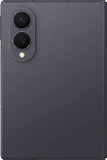
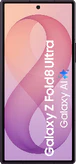
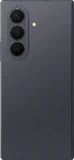
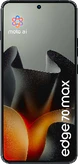
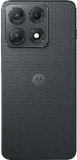

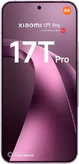

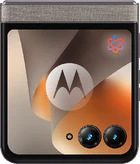
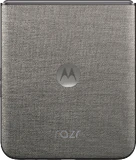
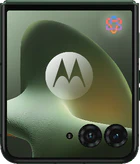
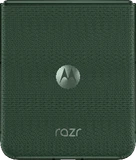
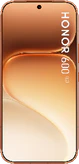
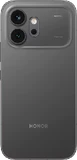
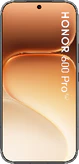
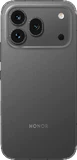
With a Dual SIM phone, it is possible to fit not one but two SIM cards simultaneously. In many cases, you can also be reachable on both SIM cards although there are exceptions. These types of phones are especially popular here for people who want to combine a private and work phone but in other countries they are also popular when someone is near two coverage areas or who travels a lot and does not want to change SIM cards every time.
Differences Dual SIM
There are two types of Dual SIM; Standby and Active. With Dual SIM Standby (DSS), you have to choose in advance which SIM card is logged on to the network, both are not possible. Via a menu in your phone, you can switch or 'shift' SIM cards. This type is therefore sometimes called 'Dual SIM shift'.
Slightly newer is Dual SIM Dual Standby (DSDS). With this, both SIM cards are logged on to the network but you cannot use both simultaneously. This is because there is only one antenna shared between the two SIM cards. However, the antenna for data is different from that for voice. So you can make calls with one SIM card and use mobile internet simultaneously with the other. This type is the most common.
- Dual SIM Standby (DSS) - One SIM card logged on and active
- Dual SIM Dual Standby (DSDS) - Two SIM cards logged on, one SIM card active at a time
- Dual SIM Active (DSA) - Two SIM cards logged on and active simultaneously
If when you make a call with one SIM card you don't want a call on the other to go to voicemail then you need Dual SIM Active (DSA), sometimes called Dual SIM Dual Active (DSDA). Such phones are equipped with two antennas, one for each SIM card. As a result, they are more expensive, consume more battery and are rarer.
Hybrid Dual SIM
And then there is the Hybrid Dual SIM. In this type, the slot for the second SIM card is shared with that of the memory card. One drawback is that you will have to choose whether to insert a second SIM card or a memory card, both are not possible. In itself, this need not be a problem for mobile phones that have a lot of storage memory of their own. If you are considering a Dual SIM phone that has such a slot, choose sufficient storage memory because expanding will come at the expense of your second SIM card.
Type of SIM cards
SIM cards unfortunately come in different shapes and sizes. Whereas they used to be as big as a credit card, today they are no bigger than a pinky nail. In terms of size, today occurs from big to small; miniSIM (2FF), microSIM (3FF) and nanoSIM (4FF). Dual SIM phones do not always have to accept the same type, a combination also occurs. You can request a new SIM card for that format from your provider. We do not recommend using a SIM card adapter where you make a smaller SIM card bigger. They too often cause problems with contact points being damaged or simply sticking in the device. You also often have no warranty after permanent damage.
eSIM
A fairly new form is the electronic SIM card, also called embedded SIM. This is permanently embedded and cannot be swapped. The user can use a menu to choose which provider he is with and can also switch easily(er). We will see this form much more often in the future, possibly combined with a physical SIM card slot. You can then insert a SIM card into the device and combined with the built-in eSIM, you then have a Dual SIM phone at your disposal.
