
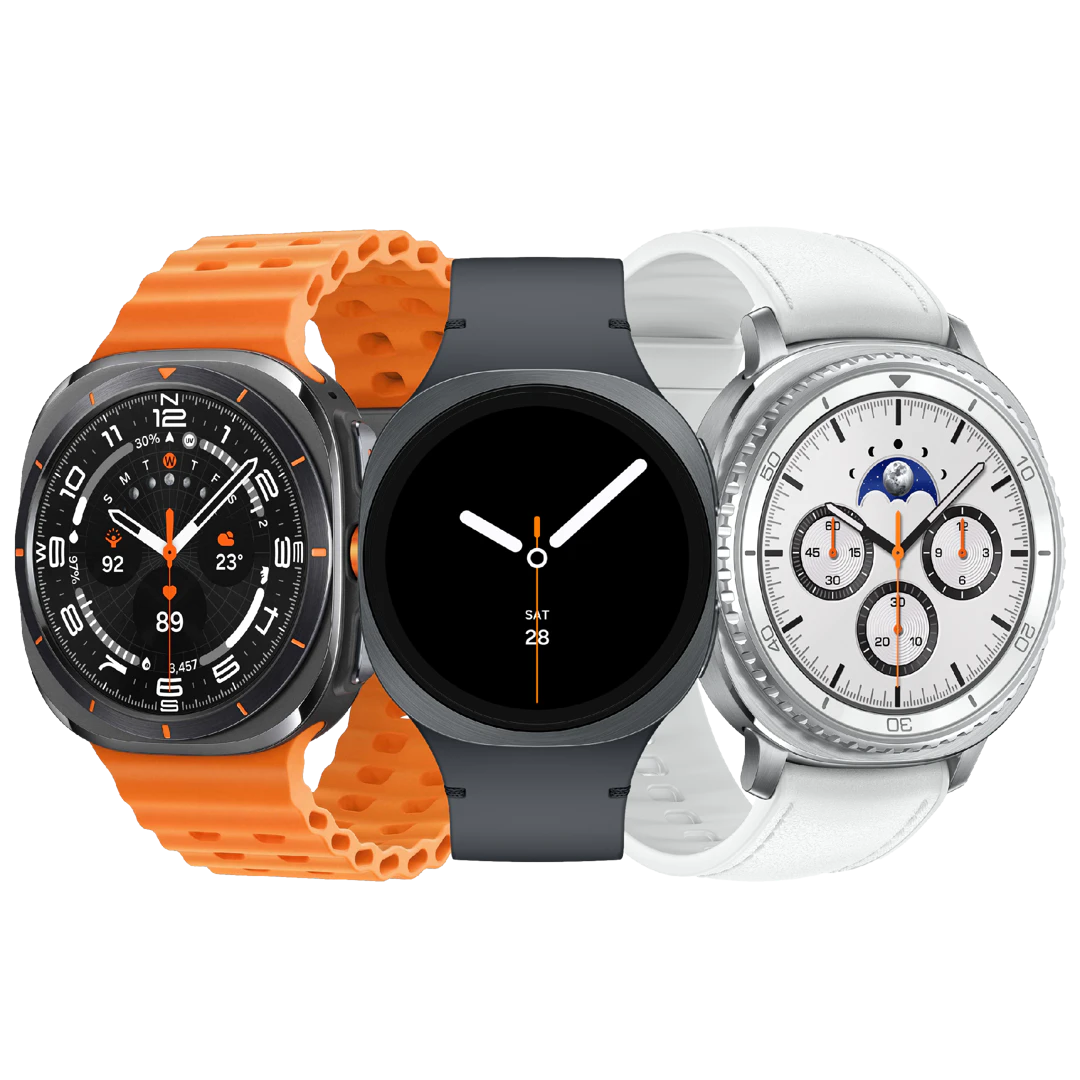
Samsung smartwatches
Need a Samsung Galaxy smartwatch? View and compare all Galaxy Watch models here, both with and without 4G capability. Not only have we conveniently listed all Samsung watches, but we’ve also included all providers. This means you’ll never pay too much and you’ll always be up to date.
Galaxy Watch 9 series
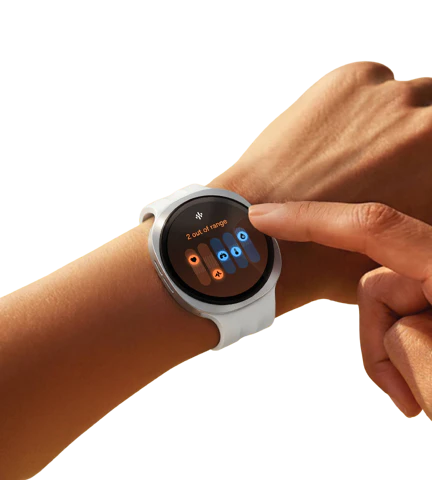
All Samsung smartwatches
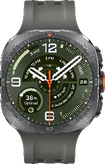
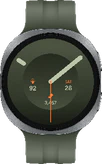
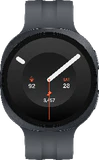
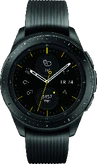
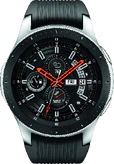

Samsung has been making smartwatches since 2013. These have been marketed under the Galaxy brand since 2019. Prior to that, Samsung also used the Gear brand, particularly for fitness trackers. The South Korean company’s first smartwatch combined both names: the Galaxy Gear.
Samsung Galaxy Watch
The first new-style Galaxy Watch was announced in August 2018. Samsung uses a round design and has released a new model every year. The first-generation Watch was released in two sizes: 42 and 46mm. Successors were also released in two sizes, although the sizes did vary over the years.
Within the Galaxy Watch series, Samsung also released an ‘Active’ variant on several occasions. This had a slightly more refined look and was intended to appeal particularly to a female audience. Later Galaxy Watch models were given a slimmer design, rendering the need for an ‘Active’ model obsolete.
Connecting to a smartphone
To connect your Galaxy Watch to your Android smartphone, you need to download the Galaxy Wearable app from the Google Play Store. You do not strictly need a Samsung smartphone to do this. You then connect to the watch via Bluetooth.
Earlier Galaxy Watch models could also be connected to an iPhone, but this is no longer possible since the switch to Wear OS as the operating system.
Tizen and Wear OS
Since the Samsung Galaxy Watch4 released in 2021, Samsung has been using the Wear OS operating system for its smartwatches. Like Android, this platform is released by Google. Prior to that, Samsung used the Tizen operating system.
Tizen was primarily maintained by Samsung and evolved from MeeGo and Bada. Apart from the operating system, Samsung uses a custom-developed user interface called One UI Watch. Just like One UI for Android smartphones, this interface determines how icons look, which colour schemes are used and how sounds are rendered.
