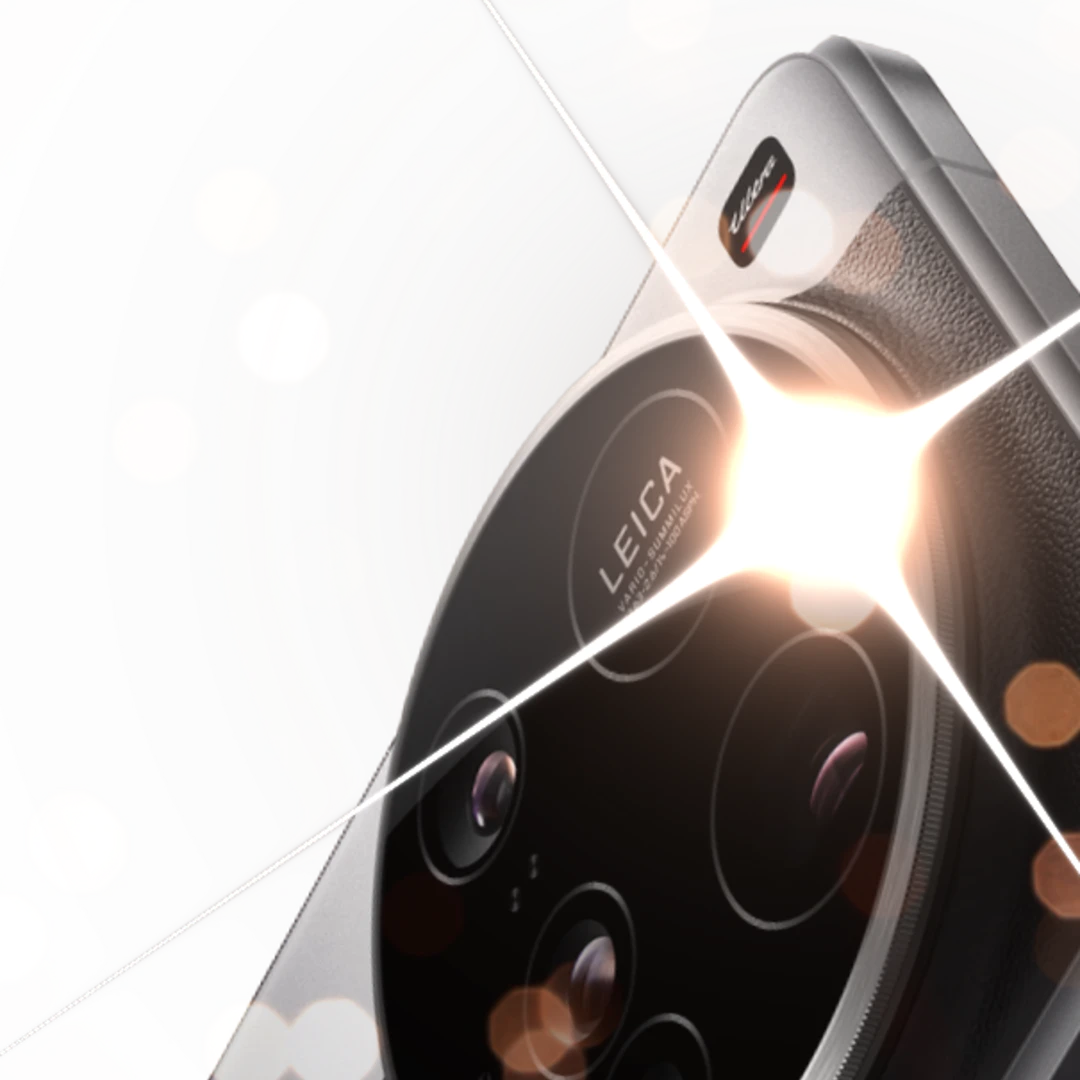
Best cameraphones
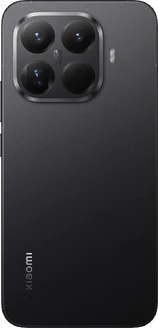
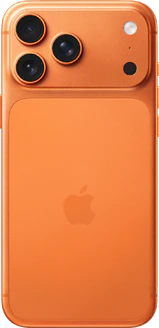
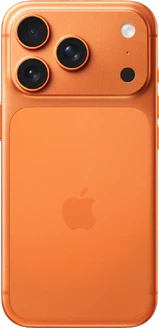
Need a good camera phone? Here you will find a list of the best tested camera phones at the moment. Each of them has a very well-reviewed camera on board. Want to know which phone has the best camera? Then this is the starting point of your search.
The most popular cameraphones


All cameraphones


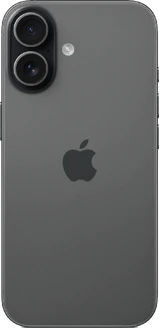

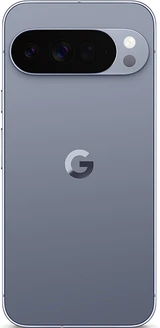

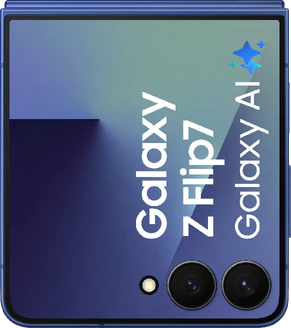




Virtually every smartphone today has one and often multiple cameras. Manufacturers try to placate you with number of megapixels, high ISO values and multiple sensors. However, don't let that tempt you. There are companies that test camera phones for detail as objectively as possible. DxOMark is one such. Phones that achieved at least a score of 105 can be found here.
DxOMark
The above list is based on the results of DxOMark Image Labs from France. They have been testing camera sensors since 2008. They assign a score based on colour depth, dynamic range and low-light performance. Since 2012, DxOMark has also been testing mobile phones, and from 2019, they will also score selfie cameras.
DxOMark's measurement method is not uncontroversial. Assessing photo quality is partly subjective. Some things like colour fidelity and noise are easy to measure, while others are not. In the end, someone likes a certain picture better than another. Also, DxOMark gets paid by phone manufacturers to test their products. This affects objectivity. In general, the DxOMark score is more of a guideline than a hard statistic. Of all the other alternatives available, though, the DxOMark score is one of the better ones.
In September 2019, DxOMark expanded its score to include wide-angle lens and night mode in the final verdict. As a result, some phones changed scores. This is not the first time DxOMark has adjusted its test plan. It also changed it in 2017 when it also started assessing bokeh (portrait mode), zoom quality and low-light performance.
History of the camera phone
The trend of camera phones arrived from Japan. There is some doubt as to who exactly released the first camera phone but probably the credit goes to Sharp. There is no doubt about who sent the first photo with a phone. That was Frenchman Philippe Kahn. He sent a picture of his newborn daughter to family and friends on 11 June 1997. He used a digital camera connected to his laptop and mobile phone and wrote his own software to do so. There appeared to be a huge need for mobile cameras with sharing capabilities. By 2003, camera phones were already selling more than individual digital cameras. Two years later, Nokia would become the largest camera manufacturer worldwide.
Megapixel race
After almost every phone manufacturer had a camera phone in its range, the famous megapixel race began. This involved the suggestion that more megapixels would produce a better photo. They managed to put sensors with more and more megapixels in a thin phone with the absolute highlight being Nokia in 2012 with the introduction of the 808 PureView. This featured a 41-megapixel camera.
Despite seeming to have become a symbol of the absurdity of the megapixel race, the PureView did represent an entirely different philosophy. Namely of employing a larger sensor that therefore captures more light and oversampling. This involves using the information from multiple pixels to create one superpixel. Techniques that other manufacturers would only embrace years later.
ISO, shutter speed and aperture
Anyone who has ever studied photography has come across terms like ISO, shutter speed and aperture. Die-hard photographers prefer to set these things themselves even though automatic mode has become increasingly better in recent years and therefore hugely popular. It is especially Apple with the iPhone that has elevated automatic mode to an art. In fact, for years there was no way to manually adjust settings.
ISO value
Those who do want full control over their photos need to know three things; the ISO value, shutter speed and aperture. It is the sacred three unit of photographers; the exposure triangle. When you know something about these three things, you understand why photos look the way they do. ISO value refers to the film sensitivity of the sensor. The higher this number, the more light-sensitive it is. A high ISO has its price; it is accompanied by noise and images become grainier. Therefore, don't be tempted by extremely high maximum ISO values before making a purchase. Most camera phones allow you to set the ISO value yourself via manual mode.
Shutter speed
The shutter speed or exposure time is the length of time the sensor is exposed to light. In front of that sensor is a shutter that opens briefly and then closes again. If this happens quickly then the sensor receives less light than if you choose a slow shutter speed. Usually we are talking about fractions of a second. Short shutter speeds are chosen for fast-moving subjects such as in sports photography. With slow shutter speeds, of many seconds or even minutes, you capture the starry sky. Here you use a tripod because there should be absolutely no movement. Especially by playing with the shutter speed you can get creative shots, for example of light stripes from traffic or moving water from a flowing stream.
Aperture
Third point is the aperture, also called aperture. The aperture is similar to the iris in your eye and is expressed as a so-called f-number. It says something about the opening of the aperture. The lower the number, the larger the aperture and the more light can reach the sensor. You use a low aperture in low light, a high aperture during the day with sufficient light. With the aperture, you can also control the depth of field. Here, parts are in focus or not, e.g. the background is not in focus and the foreground is.
