Compare dual SIM phones
Need a dual SIM phone? Here you’ll find all the phones available in the Netherlands that can handle two numbers at the same time, either with two SIM card slots or an eSIM. Filter by specifications, read user reviews and compare prices from all providers side by side.
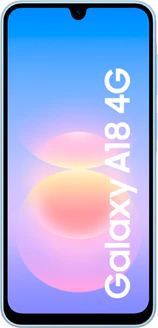
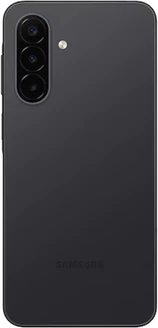


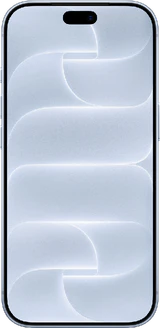
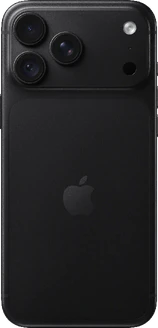


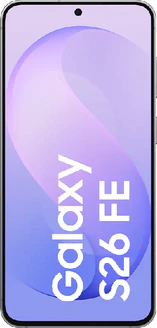
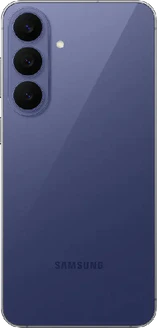
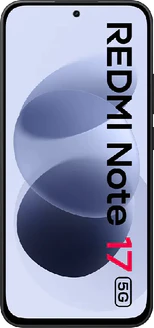
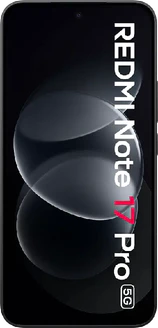
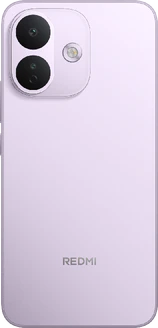
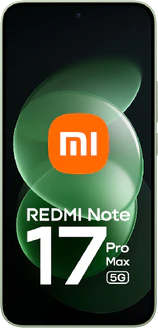
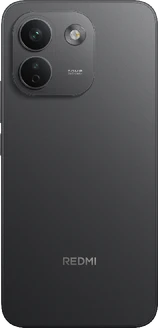

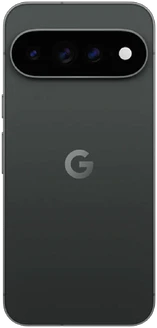
Anyone who wants two numbers on a single handset often uses dual SIM to keep their private and work lives separate. Travellers choose it so they don’t have to keep swapping SIM cards. Exactly what you can do with it varies from handset to handset.
Which dual SIM phone is right for you?
Dual SIM doesn’t mean the same thing on every device. These factors determine what you can actually do with it:
- The type of dual SIM: determines whether both numbers can be reached at the same time.
- Two slots or one slot plus an eSIM: with an eSIM, you have a second number without a physical SIM card.
- A hybrid slot: either a second SIM card or a memory card, but not both.
- VoLTE on both SIMs: determines whether your second number works.
Every device in this overview can handle two numbers, and on most devices you can set which number is used by default for outgoing calls for each contact. Your choice therefore depends on two questions: do both lines need to be available at the same time, and do you want to be able to continue using a memory card?
Note: Dual SIM Active if you need to remain reachable on your work number whilst you’re on a private call. Such handsets are, however, less common.
Choose a handset with an eSIM if you want a second number without giving up your memory card slot.
Choose two physical slots if you regularly switch SIM cards or use a local SIM abroad.
What types of dual SIM are there?
There are four variants, ranging from the simplest to the most comprehensive.
- Dual SIM Standby (DSS): you choose in advance which SIM card is active on the network; the other is switched off. You switch between them via a menu, a process also known as ‘Dual SIM shift’.
- Dual SIM Dual Standby (DSDS): both SIM cards are active, but they share a single transceiver. If you receive a call on one SIM card, the other will be unavailable at that moment.
- Dual SIM Dual VoLTE (DSDV): a DSDS handset that keeps both SIMs connected via VoLTE on 4G or 5G. This feature is found on many current handsets.
- Dual SIM Active (DSA): two transceivers, so both lines remain available simultaneously. Also known as Dual SIM Dual Active (DSDA). These handsets are less common and drain the battery more quickly.
When using a second SIM card, check for VoLTE support. Calls made via VoLTE use the 4G or 5G network. Without VoLTE, calls fall back on older network technology, and 3G has largely been phased out in the Netherlands. Depending on your mobile network provider and your handset, this may mean the second number is difficult to reach or unreachable. So check with the manufacturer to see if the handset supports VoLTE on both SIM cards.
Hybrid dual SIM
With a hybrid dual SIM, the slot for the second SIM card shares space with the memory card. This means you can either use a second number or expand your storage – but not both. For handsets that come with plenty of built-in storage, this needn’t be a problem. If you’re considering a device with this type of slot, opt for ample storage capacity, as expanding it will come at the expense of your second SIM card. Many modern devices no longer have a memory card slot; in that case, this trade-off doesn’t apply.
What SIM card formats are available?
Physical SIM cards come in three sizes, from largest to smallest: miniSIM (2FF), microSIM (3FF) and nanoSIM (4FF). A dual-SIM phone does not always accept two SIMs of the same size, so check this for each model. You can request a card in a different format from your mobile network operator; many providers offer this free of charge. We do not recommend using a SIM card adapter to make a smaller card fit a larger slot: it can damage the contact points or get stuck in the device, and such damage is not always covered by the warranty.
eSIM as a second number
An eSIM is a SIM card that is permanently embedded in the device. Instead of swapping a physical card, you switch profiles: you activate a new subscription via a code or an app from your provider. For dual SIM, this is often the most convenient option, as you don’t have to sacrifice a slot and can therefore continue to use your memory card. Many devices combine a single physical slot with an eSIM, and there are now also devices without a physical slot, in which case dual SIM means two eSIM profiles.
