Compare mobile phones for your child
Choosing a mobile phone for your child is different from choosing one for yourself: affordability, durability and ease of management are more important than the latest camera. In this guide, you can compare suitable handsets, from simple dumbphones to secure smartphones. Use the filters for price, screen size and operating system to find the phone that’s right for your child.
1 product
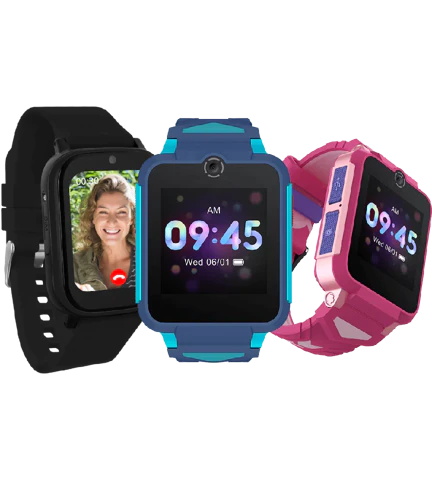
Smartwatches for children
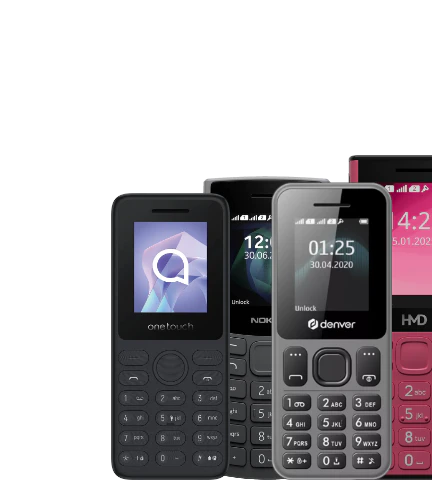
Dumbphones
8 products
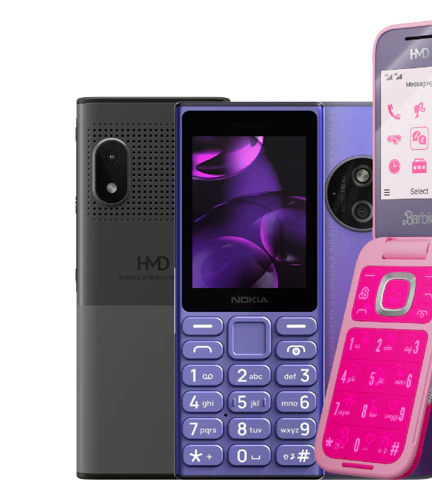
Feature phones
All mobile phones for children

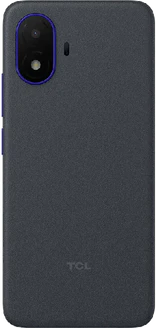


Dumbphone or smartphone?
Are you still unsure whether your child is ready for a mobile phone? Then take a step back first: in our decision guide: first phone for your child, we list all the options, from smartwatches to supervised smartphones. If you’ve already made that choice, here’s the key point: most of the devices in this overview are feature phones, and there’s a good reason why we prefer these for children.
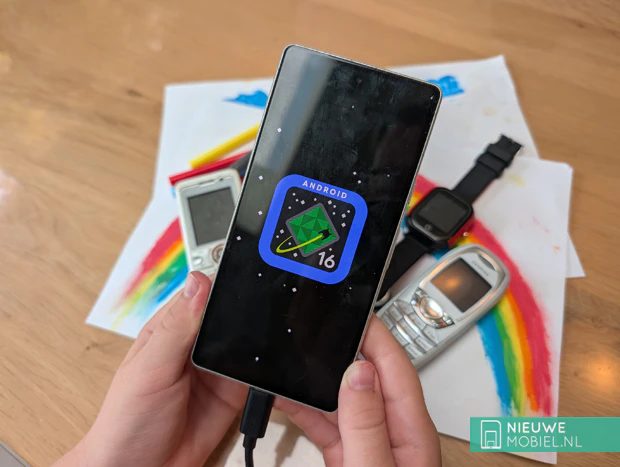
The feature phone: our preference for a child
A feature phone makes calls and sends text messages; it sometimes has a basic camera and a radio, but little else. It lasts for days on a single charge, is virtually indestructible and keeps peer pressure and the open internet at bay. Two things to bear in mind: most feature phones don’t support WhatsApp, so if your child needs to join their class group chat, you’ll run into that issue. And pay attention to the model: some handsets do have a basic browser, so if you really want to keep it restricted, make sure to switch off the browser and mobile data.
The restricted smartphone: a deliberate exception
If your child really can’t manage without WhatsApp at secondary school, then a smartphone is an option. But do it thoughtfully and properly: lock the device down completely with parental controls, so that in practice it’s almost like a basic mobile. An entry-level model or a refurbished handset from a Lower price range is more than enough; a first mobile doesn’t need to run heavy games or have the latest camera.
Opt for a basic mobile in almost all cases: easy to get hold of, no internet, few worries. Our preference for a child.
Only choose a restricted smartphone if your child really cannot do without WhatsApp and you are prepared to lock the device completely and monitor how it is used.
What else should you look out for?
As well as the type of phone, there are a few things that make the difference between a device that ends up gathering dust and one that lasts for years.
- Durability and battery life: choose something that can survive a drop and last through a school day; a separate case helps prevent broken screens. If it really needs to withstand rough handling, look at rugged phones.
- Size: a more compact handset fits more comfortably in small hands than a large screen.
- Age as a guideline: government advice (2025) recommends not getting a first smartphone until after Year 8 and not using social media until the age of 15; a group of doctors recommends 14 and 16 years respectively. These are guidelines, not laws, but the general principle is: the later a full-featured smartphone is introduced, the better.
Parental supervision and costs
If you choose a smartphone, everything hinges on how you set it up. Do this before you give the device to your child, not afterwards.
- Family Link (Android): create a child account, manage which apps can be installed, and set screen time and bedtimes.
- Screen Time and Family Sharing (iPhone): the same on an iPhone, with time limits and purchase approval per family member.
- Agreements: technology combined with clear agreements (where the phone is kept at night, which apps are allowed) works better than the most expensive parental control app without a proper discussion.
When it comes to costs, the handset and the mobile plan are two separate things. A basic mobile is the cheapest option to buy, and the overview above shows what a handset currently offers. For the mobile plan, you can choose between pay-as-you-go and SIM-only. Prepaid has no fixed monthly charges, but you do need to top up; and if you run out of credit, your child won’t be reachable – which defeats the whole purpose.
A SIM-only subscription prevents this and can remain very affordable for a child. Also check with your own provider: many operators offer a low-cost children’s plan, or you can add your child to your own plan. This is usually cheaper than a separate plan, keeps everything on one bill and gives you an immediate overview of usage.
