

Mobile phones without a BKR record
Would you like a new mobile phone without a BKR entry? Whether or not such an entry is made depends on how much handset credit is included in your contract. Below, you can compare the handsets and contracts where that credit remains below the legal limit.
Found: 296 phones
New

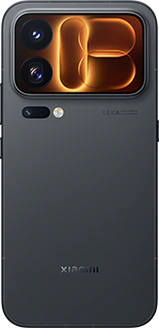
4 kleuren
New

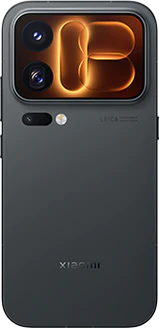
4 kleuren

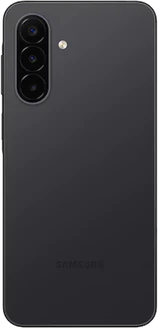
3 kleuren
Pre-order


4 kleuren
Pre-order

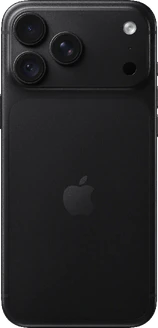
4 kleuren


3 kleuren


2 kleuren
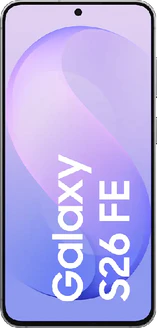
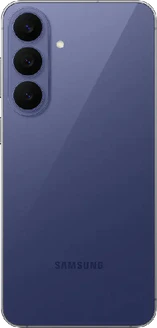
4 kleuren

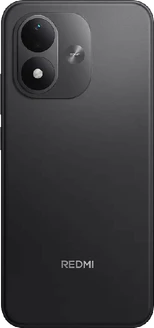
3 kleuren
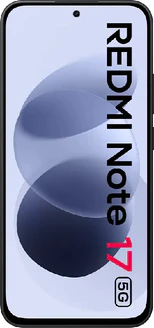
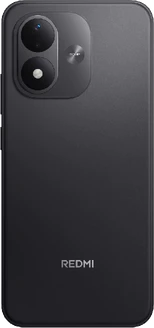
3 kleuren

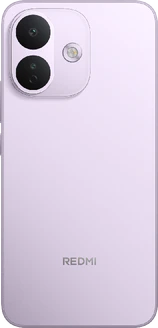
3 kleuren
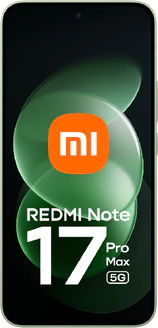
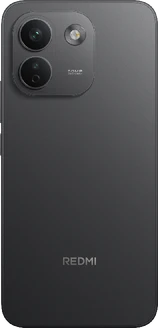
3 kleuren
When does a mobile phone contract result in a BKR registration?
If the cost of the handset is €250 or more, the provider must report the loan to the Credit Registration Bureau (BKR). If the amount included in your mobile contract is below this threshold, no such report is made. These rules apply to all providers and are set out in the Financial Supervision Act.
The application involves a creditworthiness check, during which the provider assesses your income, your outgoings and your BKR record. Below the threshold, no registration takes place; however, the provider will carry out its own payment check, for example to check for outstanding bills.
Why a BKR registration matters
A loan in your record is taken into account in any subsequent application, such as for a mortgage: the monthly repayment reduces your borrowing capacity. After repayment, the data remains in the Central Credit Information System (CKI) for a standard period of five years, calculated from the moment the provider terminated the agreement.
A consumer credit entry is a standard credit record without any payment arrears; it is not a blacklist entry. If you do not plan to take out a mortgage, loan or lease in the coming years, it makes more sense to choose based on price and term rather than on the credit record. Bear in mind the term, as those five years only start after the final instalment has been paid.
How to avoid a BKR entry
There are four ways to do this, and they can be combined.
- A handset below the threshold: if the handset itself costs less than the threshold, then there’s nothing to pay.
- Pay a deposit: you pay part of the cost straight away, so that the remaining amount included in your contract stays below the limit.
- A standalone handset: you pay for the phone in one go and also take out a contract without a handset, so that no credit is involved at all.
- Refurbished: a checked and refurbished handset costs less, making the first two options more feasible.
What all these options have in common: the credit included in your contract remains below the legal limit, so nothing is reported and your borrowing limit remains unaffected. Here, you’re not choosing between whether or not to be registered, but between the way you pay for the handset.

Avoid a negative impact on your mortgage: opt for BKR-free
What a lower credit limit means for your monthly payments
If you’ve paid for the handset in one go, your bill will only consist of the costs for data and calls. If you’ve made a deposit, part of the handset cost will still be included in your monthly payment, but less than if you’d spread the cost of the whole handset over time.
Not sure which plan to choose?
The overview above has already been filtered to show plans where the handset credit remains below the legal limit, so there is no BKR registration.
Select ‘pay a deposit’ if you want to pay for the handset in instalments whilst still avoiding a BKR registration.
Choose a stand-alone handset if you can pay the full amount in one go and want to keep your subscription flexible.
Choose a cheaper handset if you don’t want to pay a deposit.
Choose refurbished if you want a higher-end model without taking out a large loan; then check what warranty the seller offers and what condition the battery is in.
