Compare Xiaomi tablets
Xiaomi tablets are available under two brand names, and that’s where your choice begins: a Xiaomi Pad focuses on screen quality and speed, whilst a Redmi Pad aims to offer as much screen space as possible for the lowest possible price. Below is a complete overview of the Xiaomi range, with the specifications side by side and the prices charged by each participating retailer. We carry out independent comparisons: we do not earn more from one brand or model than from another. Start by comparing size, screen and storage, then move on to the model itself; there you can choose the variant and see the price per shop.
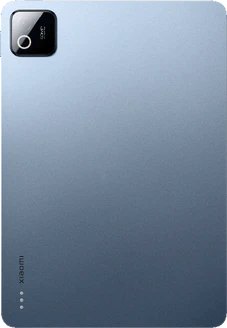
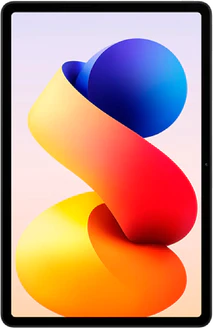
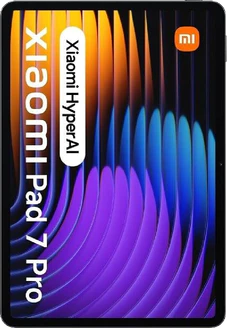

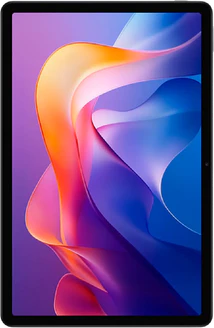
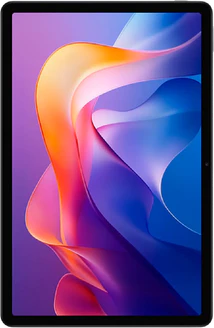
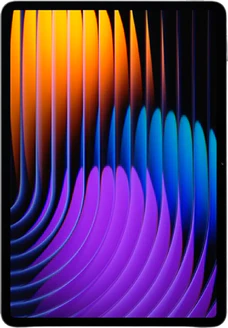
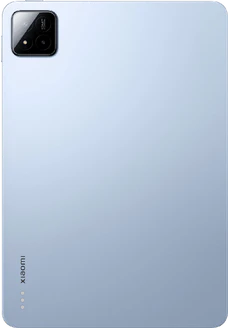
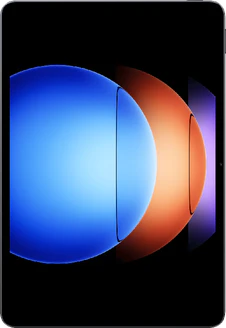
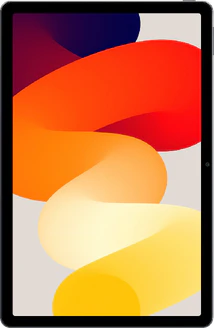
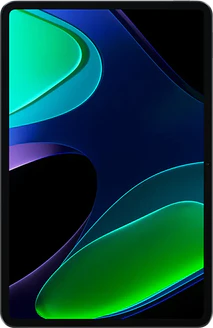
Which Xiaomi tablet is right for you?
Start with the name, not the specifications. Whether the box says ‘Xiaomi’ or ‘Redmi’ determines almost everything that follows: how sharp and smooth the screen is, how much processing power you get, how quickly the tablet charges, and whether you can expand the storage later on.
How do Xiaomi tablets really differ?
These features vary across the range.
- The range: a Xiaomi Pad 8 has a sharper screen with smoother motion and a more powerful chip; a Redmi Pad compromises on these aspects but offers a memory card slot in return.
- The size: the range extends from the Redmi Pad SE 8.7, small enough to hold in one hand whilst standing, up to 12.1 inches, on which two apps can be used side by side with ease.
- Connectivity: some models work on Wi-Fi only, such as the Redmi Pad 2 WiFi, whilst others have a SIM card slot and can connect to the internet independently.
- The memory card slot: the Redmi Pad models accept a microSD card, such as the Redmi Pad 2; the Xiaomi Pad models do not.
- Pen and keyboard: a separately available pen works on almost every model; only the smallest 8.7-inch tablet does not support it. A matching keyboard is available for some models, but not for others.
The models side by side
The main models currently listed in the overview; standalone Wi-Fi versions and bundles can be found above.
| Model | Screen | Refresh rate | Battery | Memory card | Price range* |
|---|---|---|---|---|---|
| Redmi Pad SE 8.7 | 8.7 inches | 90 Hz | 6650 mAh | Yes | € |
| Redmi Pad 2 | 11 inches | 90 Hz | 9000 mAh | Yes | € |
| Redmi Pad Pro | 12.1 inches | 120 Hz | 10,000 mAh | Yes | €€ |
| Redmi Pad 2 Pro | 12.1 inches | 120 Hz | 12,000 mAh | Yes | €€ |
| Xiaomi Pad 7 | 11.2-inch | 144 Hz | 8,850 mAh | No | €€ |
| Xiaomi Pad 8 | 11.2 inches | 144 Hz | 9,200 mAh | No | €€€ |
| Xiaomi Pad 7 Pro | 11.2 inches | 144 Hz | 8,850 mAh | No | €€€€ |
| Xiaomi Pad 8 Pro | 11.2 inches | 144 Hz | 9200 mAh | No | €€€€ |
*Relative price guide within this overview: more € symbols indicate a higher price. See the overview above for current prices.
What every Xiaomi tablet can already do
There are a few things you don’t need to worry about. Every model in this overview runs on Android with HyperOS, Xiaomi’s own user interface, and charges via USB-C. Battery capacities start at 6650 mAh and go up to 12000 mAh – significantly more than in a mobile phone – so with light use, there’s plenty of time between charges. Your choice therefore comes down to the screen, performance and storage, not the basics.
Choose a Redmi Pad if the tablet is mainly for watching videos, reading, email and the children, and you’d rather have a large screen than a fast processor.
Choose a Xiaomi Pad if you’re running more demanding apps or gaming, and a smooth display and fast loading times are important to you.
Choose the smallest size if you need to carry the tablet in a bag and hold it upright, for example whilst reading.
Xiaomi Pad 7 or Xiaomi Pad 8?
The main difference between two successive generations in this range lies in the chip. The screen and refresh rate are the same (11.2 inches, 3200 by 2136 pixels, 144 Hz), as are the cameras, and the battery capacity differs by a few hundred mAh. As soon as a new generation is released, the price of the previous one usually drops, whilst the screen and size remain the same. This isn’t the case for every model, so check the overview above to see what the current prices are. If you don’t really notice much difference from a more powerful chip in practice, then the older generation is the sensible choice here.
What does the ‘Pro’ designation offer?
In the Xiaomi Pad range, ‘Pro’ stands for three specific things: a more powerful chip, 67-watt charging instead of 45 watts, and better cameras (50MP rear and 32MP front, compared to 13MP and 8MP). The screen, size and battery remain the same as the standard model. If you hardly ever take photos with a tablet and aren’t in a hurry to charge it, then with the Pro model you’re mainly paying for processing power.
Wi-Fi or mobile data?
The deciding factor is where you use the tablet. A version that only works on Wi-Fi is usually the most affordable and is sufficient if the device stays at home or connects via your phone’s hotspot whilst on the move. A model with a SIM card slot can connect to the internet independently, even on the train or at a campsite, but requires its own SIM card with a data plan. In this overview, both variants of the Redmi Pad 2 are listed side by side; you can recognise the Wi-Fi version by the ‘Wi-Fi’ designation after the model name. Please note one name that causes confusion: the Redmi Pad 2 9.7 is not a smaller version of the Redmi Pad 2, but a separate model with a 9.7-inch screen.
What do you compromise on with a Xiaomi tablet?
Three things are worth noting before you make your choice.
- No water resistance: none of the models in this overview have an IP rating listed in the specifications. Using a tablet in the bath or in the kitchen is therefore at your own risk.
- No charger included: the Xiaomi Pad models and the Redmi Pad 2 only come with a USB-C cable in the box, not a power adapter. For the other models, check the box contents on the product page and factor in a fast charger if you don’t already have one.
- Charging speed for entry-level models: the Redmi Pad 2 combines a 9,000 mAh battery with 18-watt charging. That takes a while to charge; put a model like this on the charger before you go to sleep.
How much storage do you need?
Base your estimate on what you store offline, not on what’s currently on your phone. TV series and games take up space on a tablet faster than photos and documents, and it’s precisely those that you often store locally on a tablet so you can access them without an internet connection. If you’re torn between two storage capacities, the larger one is usually the wisest choice for a device you’ll keep for years.
Is a Xiaomi tablet compatible with your phone?
The two work most seamlessly together with a Xiaomi phone: notifications, a shared clipboard and file transfers all work via HyperOS without the need for an extra app. If you have a phone from another brand, the tablet will do everything except for that seamless integration. If you’d like to have a broader look around first, you’ll find all the brands listed together in the overview of Android tablets.
