Buy Doro feature phones
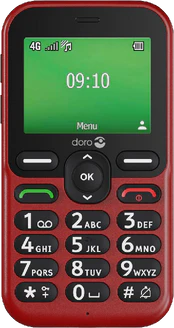
Looking for a Doro feature phone? Here you’ll find all of Doro’s easy-to-use mobile phones: large keys, a high-contrast display, loud and clear sound, and an emergency button. Designed with older people in mind, but just as handy as a second handset for holidays, work or festivals. If you’d still like apps and WhatsApp, take a look at the Doro smartphones; you’ll find a list of all brands under feature phones and phones for older people. We compare the current prices across all shops, 100% independently. Use the filters for model, battery life or price to find the right phone straight away.
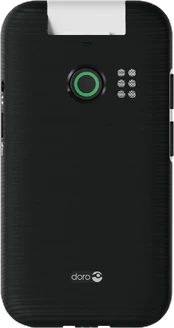
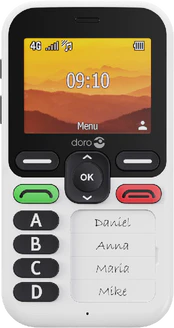
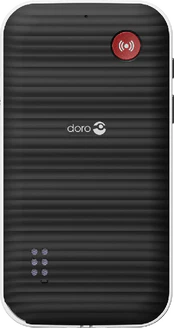
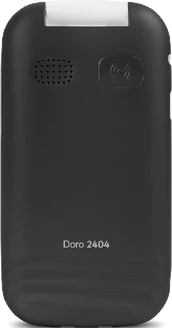
All Doro feature phones
What should you look out for in a Doro feature phone?
A Doro feature phone is a phone designed for making calls and sending text messages, with a few extras such as a camera, a radio and an alarm button. No Android, no app store, no WhatsApp and no online banking. That’s exactly the point, but it’s also the question you need to answer beforehand: can the user live with that? You can see the current models and prices in the overview above.
If, on the other hand, you’re looking for apps on a device that remains easy to use, take a look at the Doro smartphones. If you’re not yet sure what sort of phone you’re looking for, have a look at our selection guide.
Flip phone or bar phone?
Doro makes both types, and the difference is greater than it seems.
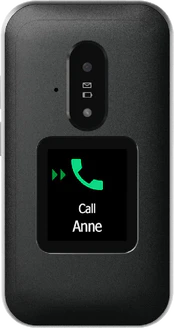
- Flip phone: opening it answers the call, closing it hangs up. The screen and keys are protected in your pocket, and some models have a second screen on the outside, so you can see who’s calling without opening it.
- Straight-bar phone: always ready for use and quicker to dial a number. Handy for those who find it difficult to open a flip phone, but the keys can be pressed accidentally in your pocket.
- Dumbphone: the most basic version, deliberately free of distractions. Popular for a digital detox or as a spare handset.
- Phones for the elderly: all brands side by side, including smartphones with a customised interface.
Choose a Doro feature phone if making calls and sending text messages is enough, physical keys are more comfortable, and the battery needs to last for days.
Choose a Doro smartphone if the user also wants to use messaging apps, make video calls or share photos, and is comfortable using a touchscreen.
Note regarding 4G: the old networks are being phased out
Always check whether a basic phone supports 4G. KPN and VodafoneZiggo have already switched off their 3G networks, Odido will do so in August 2026 at the earliest, and 2G is also on its way out: Odido has already phased it out, VodafoneZiggo won’t do so until the end of 2026, and KPN in December 2027 (ACM). An old handset that only supports 2G or 3G will therefore become unusable for making calls. The 4G models listed above do not have this problem.
The emergency button is handy, but it’s not an emergency call centre
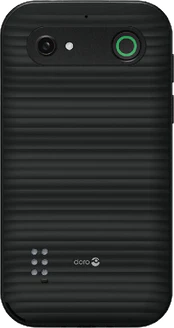
On the back of a Doro, there is a separate emergency button. Pressing it once sends an emergency message with your GPS location to the contacts you have set up in advance. It’s reassuring, but be honest about what it is: the alert goes to family or neighbours, not to a professional emergency call centre. If you want round-the-clock monitoring, you’ll need a separate subscription service for that.
What you pay and what you get
A new Doro feature phone costs roughly 85 to 135 euros. That’s the fair point to make about this category: for the same amount, you can buy a phone costing up to 100 euros with a full-fledged Android operating system, and therefore with apps, sat-nav and a better camera. Here, you’re not paying for technology, but for simplicity: large keys, a loud earpiece, a battery that lasts for days and a menu where nothing can get lost. For those for whom a smartphone is nothing but a source of stress, it’s worth the money. For those who can actually get to grips with one, it’s a waste.
Basic mobiles are also covered by the new EU rules
Since 20 June 2025, EU ecodesign rules have applied to both smartphones and mobile phones that are not smartphones, including an energy label, battery requirements and a repairability score (EU Regulation). Components such as batteries and screens must remain available for longer. Devices placed on the market before that date are exempt from the regulation.
