
Compare new mobile phones
New phones aren’t released at random: virtually every brand has a fixed time of year. This overview lists the Latest smartphones, with the most recent model at the top, and below you can read when each brand is launching a successor and what that means for when you buy. We don’t earn any more from one brand or model than from another, so the order says nothing about our preferences. Use the filters to narrow down the overview to what you’re looking for.
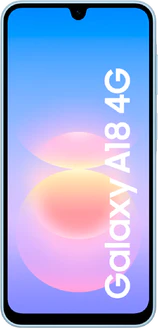



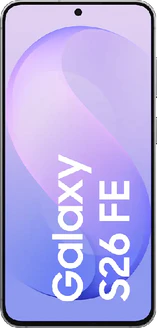
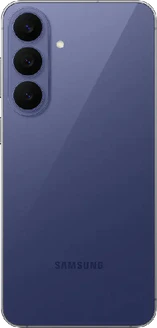
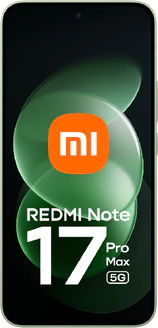
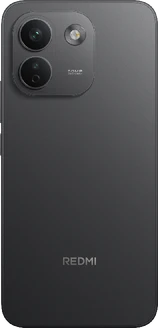

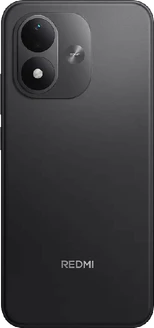
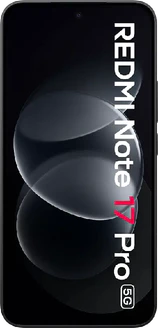
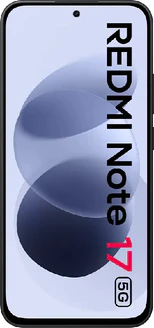
When will a new phone be released?
Almost always in the same month as last year. Manufacturers stick to an annual cycle for their popular ranges, which makes it predictable: you know roughly when the handset you want will get a successor.
The fixed release dates by brand
This calendar applies to the brands sold in the Netherlands.
| Period | What’s coming |
|---|---|
| Early in the year | Samsung unveils the Galaxy S series at its own Unpacked event |
| February and March | MWC week in Barcelona featuring Chinese brands and mid-range series; Apple sometimes announces a cheaper model separately during this period |
| Spring | The flip phone from Motorola and the flagship from Sony |
| July | Samsung unveils its foldable devices |
| August | Google unveils the Pixel series |
| September | Apple unveils the new iPhones; IFA in Berlin follows with mid-range models |
| Autumn | The top-of-the-range models from Xiaomi, Oppo, OnePlus and Honor, first in China and then worldwide |
Brands sometimes reschedule their launch dates, so please use this calendar as a guide rather than a fixed schedule. It makes no difference to you whether a device is unveiled at a trade fair or at the brand’s own live-streamed event: what matters is the month. For each brand, the calendar is further detailed on the brand pages, for example for the Latest Samsung phones.
How do the devices in this overview differ?
The range shown above varies in the following respects.
- Position in the generation: a device that has just been released is at the start of its life cycle, whilst a device from earlier this year has already been on the market for a few months.
- Remaining years of updates: for most brands, these are counted from the date of launch, so a model that has just been released still has the full term ahead of it.
- Already announced or already available: there is a time lag between the launch and sales in the Netherlands, and for some brands this can be several months.
- Price range: new doesn’t necessarily mean expensive; every brand also updates its entry-level and mid-range models.
New is not in itself a mark of quality. What a newly released device offers you is the full update cycle and the latest chip. On the other hand, you’re buying it at the point when the device is at its most expensive.
Choose a new model now if your phone is broken or if you want the full update cycle.
Wait a while if your brand’s scheduled release is due within a few months.
Choose the previous model as soon as the successor is in the shops: the range is widest then and the difference compared to the new model is usually small. See the offers.
Also consider refurbished models if you want the same remaining update years for less; see the refurbished phones.
Announced is not the same as available
Be aware of the difference, as it’s greater than you might think. With Apple and Samsung, there’s usually a gap of one and a half to two weeks between the launch and the phone hitting the shops. With Chinese brands, it’s a different story: they launch their top-of-the-range models in China first and only bring them to Europe months later, sometimes country by country with different release dates. A handset released in China in October might not be available here until January, and some models don’t make it to Europe at all. If you want to know what’s coming out soon, take a look at the upcoming phones.
How long does a new phone receive updates?
That’s the strongest argument for choosing a newly released handset, and the timeframes vary considerably. Samsung and Google provide seven years of updates for their flagship models – from the Galaxy S24 series onwards for Samsung and from the Pixel 8 onwards for Google; handsets outside these series receive a shorter update period. Apple states a minimum of five years from the first shipment and, in practice, usually provides updates for longer.
Since 20 June 2025, there has been a statutory minimum requirement. For models launched in the EU from that date onwards, updates must remain available for at least five years after the model is discontinued. Spare parts must be available for at least seven years. And every new device carries an energy label, with categories covering battery life, drop resistance and repairability, amongst other things. Note the difference in when these periods start: a brand’s commitment begins at launch, whilst the statutory period only begins when the model is discontinued.
Is it worth waiting?
That depends on where you are in the cycle. A device’s asking price is highest around the time of launch and then falls gradually, regardless of the manufacturer’s recommended retail price. The best times to buy are therefore predictable: as soon as the brand approaches its set deadline, the price of the model already on the market drops. Those who want the very latest model pay for it knowingly; those who primarily want a good device buy the previous model just after the successor has been unveiled.
There is, however, one argument against waiting: the update cycle. For most brands, this runs from the model’s launch, so with an older handset you’re buying into a shorter remaining update period. A refurbished handset can help here: a refurbished version of the same model has exactly the same number of years of updates left as a new one in the shop, comes with a seller’s warranty, and the condition of the battery is the only thing to check.
A new model every year, but not everywhere
However, not every series follows this pattern. Brands sometimes skip a number in their series name, shift an entire line to a different season, or skip an entire generation because there wasn’t enough to update. So look at the pattern for your specific brand rather than relying on a general rule.
