Android smartphones
Looking for the best Android smartphone deal? Here you can easily compare all the latest Android phones from top brands such as Samsung, Google, Xiaomi and Motorola. Whether you’re looking for a top budget model or the latest high-end flagship with AI features, with such a huge range on offer, there’s always an Android phone to suit your needs and budget. Compare prices for pay-as-you-go handsets and mobile plans straight away.
52 products
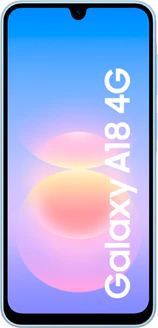
Samsung Galaxy phones
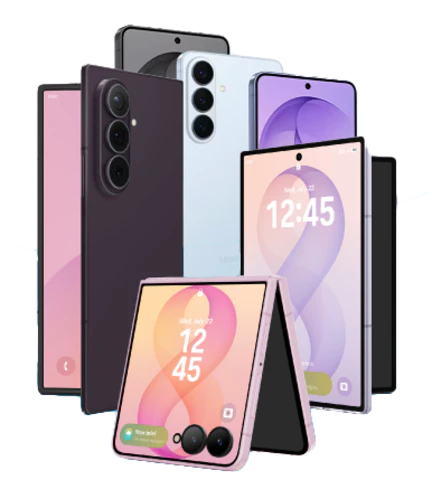
10 products
Google Pixel models
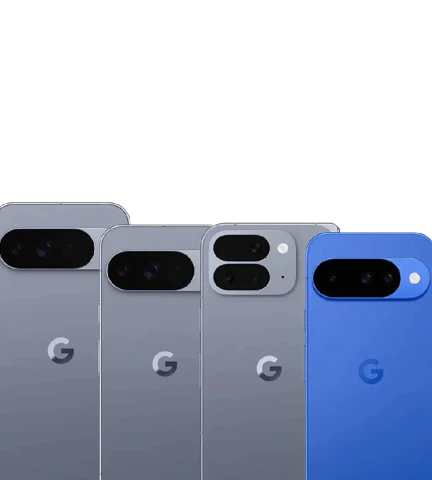
5 products
OnePlus smartphones
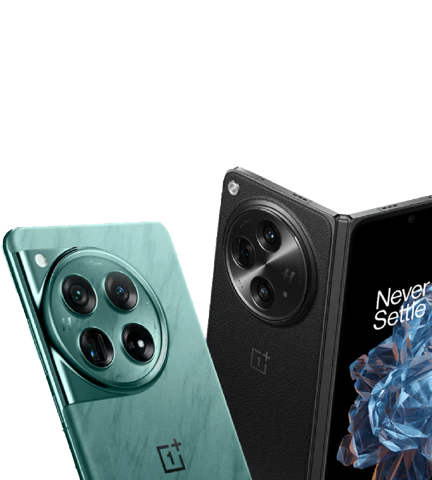
26 products
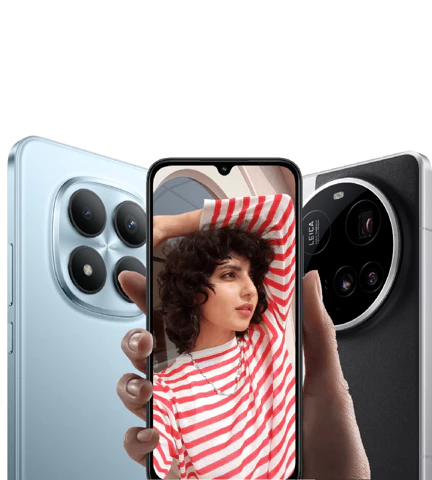
Xiaomi smartphones
22 products
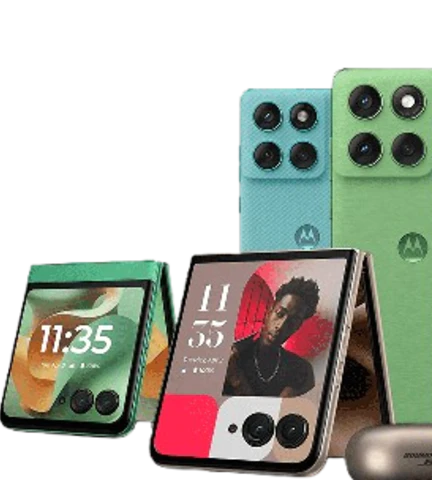
Motorola phones
All Android smartphones


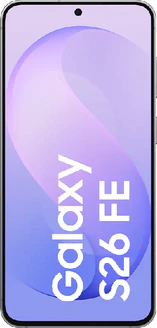
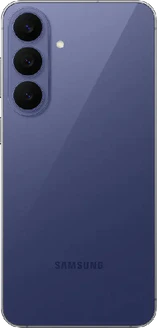
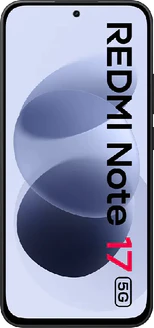
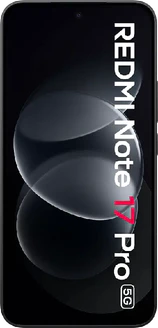
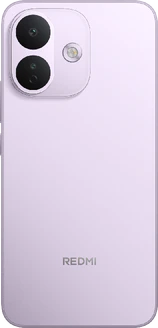
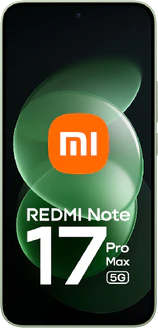
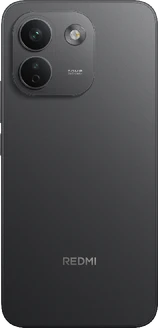

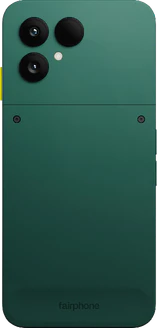
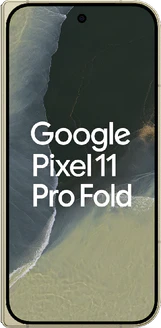
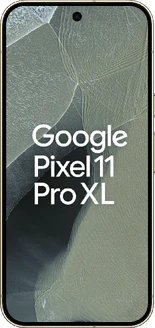
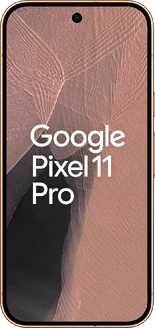
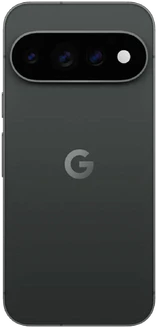
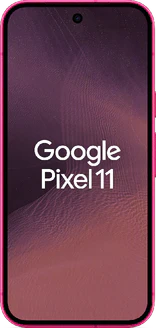
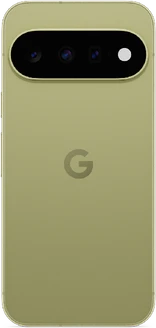
Android is an operating system for mobile phones, tablets and smartwatches developed by Google. It is currently the most popular platform in terms of market share and is used by many manufacturers such as Samsung, OnePlus and Xiaomi.
Help with choosing: What type of phone are you looking for?
The range of Android smartphones is vast. To make your choice easier, we’ve divided the devices into four clear categories. See which profile suits you best:
1. The photographer & creator
Do you want to take the best photos and videos for social media or your personal archive? Then take a look at the ‘flagship’ models. In 2026, it’s no longer just about megapixels, but about smart AI software and zoom lenses.
- What to look out for: Optical image stabilisation (OIS), night mode and AI editing tools.
- Top picks: Google Pixel Pro series and Galaxy S Ultra series

2. The budget-conscious buyer (Best Buy)
You’re looking for a smooth-running phone with a good screen, but you don’t need the very latest model. You’ll often find the best value for money in the €300 to €500 price range.
- What to look out for: Update policy (will it continue to receive updates for a long time?) and an AMOLED screen.
- Recommendations: Samsung Galaxy A series and Xiaomi Redmi series
3. The budget phone (up to €250)
Do you mainly use your phone for WhatsApp, making calls, online banking and checking the news? If so, a budget model is often more than enough. These days, even these phones have excellent cameras and large batteries.
- What to look out for: Sufficient storage (at least 128GB is recommended) and battery life.
- Recommendations: Motorola Moto G series and Oppo A series

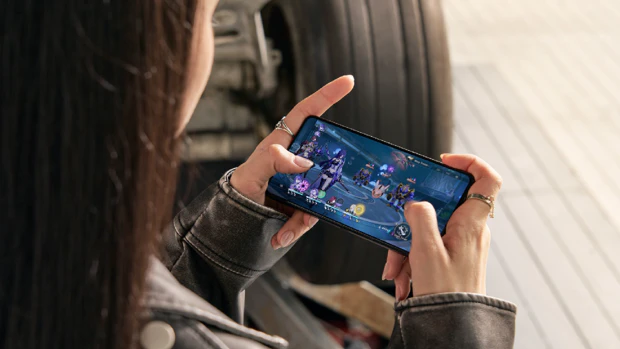
4. The Power User and Gamer
For you, only one thing matters: performance. You want to play demanding games, multitask or watch films on the very best screen.
- What to look out for: Processor (Snapdragon 8 Elite series), at least 12 GB of RAM and fast charging (100W+).
- Recommended models: OnePlus flagships and Asus ROG phones
Which Android brand is right for you?
Android offers freedom of choice. Whilst Apple offers a single option, Android manufacturers each have their own speciality. These are the leading brands of the moment:
Samsung Galaxy: The undisputed market leader. Samsung has a suitable smartphone for everyone. From the affordable Galaxy A series to the high-end Galaxy S series and the foldable Z models.
- Features:: Often the best displays, a very long update cycle (up to 7 years), feature-rich One UI software and a huge selection of accessories.
- Choose Samsung if: You’re looking for a reliable all-rounder that works perfectly with other devices such as Windows PCs.
- View all Samsung Galaxy phones
Google Pixel: The smartest kid in the class. Smartphones made by the creators of Android. Pixel phones are known for their clean software, rapid roll-out of new Android versions and unrivalled AI capabilities.
- Features: Unbeatable camera performance, smart AI features (including Magic Editor) and always the first to get the latest Android versions and updates.
- Choose Pixel if: You want the purest Android experience and take lots of photos.
- View all Google Pixel phones
OnePlus: Speed above all else. Originally a ‘flagship killer’, but now also active in the premium segment whilst still focusing on performance.
- Features: Powerful performance, extremely fast charging and high-end specs.
- Choose OnePlus if: You hate waiting and are looking for a fast, smooth-running phone.
- View all OnePlus phones
Xiaomi and Motorola: Best value for money. These brands excel in the budget and mid-range segments.
- Features: Often better specifications (such as more storage and a larger battery) for the same price as the major competitors. Motorola stands out here thanks to its clean, uncluttered software and stylish design.
- Choose these if: Value for money is your deciding factor.
- View all Xiaomi phones
- View all Motorola phones
What should you look out for when comparing?
Before making a final choice in our comparison tool, it’s a good idea to filter by the following technical specifications:
Battery life and fast charging: A 5000 mAh battery is now the standard. The big difference lies in charging. Chinese brands (OnePlus, Xiaomi, Oppo) often charge extremely quickly (up to 120W), meaning you can get a full day’s use out of your phone in just 15 minutes. Samsung and Google charge more slowly (25W–45W), but focus more on wireless charging.
A new trend to bear in mind is silicon-carbon batteries. These have a capacity ranging from over 6,000 mAh to as much as 10,000 mAh(!). Major brands aren’t using them (yet), but some Chinese brands are, giving them a competitive edge.
Software policy: Who wouldn’t want their phone to last a long time? Make sure you pay close attention to the promised update policy.
- Excellent: Fairphone, Samsung and Google (7 to 8 years of updates)
- Good: Xiaomi (4 to 5 years)
- Average: Most other brands (2 to 4 years)
Switching from iPhone to Android
Are you unsure about making the switch? It’s easier than ever. Using the standard built-in migration tools, you can transfer all your photos, contacts, calendars and even your WhatsApp history from iOS to Android during the setup process. All you need is a cable or a good Wi-Fi connection.
| Samsung | Smart Switch | Probably the best tool on the market. You can transfer data via iCloud (wirelessly) or using a cable. The cable method is faster and also transfers your iMessage history. |
| OnePlus / Oppo | Clone Phone | Works via a QR code and a Wi-Fi hotspot. Handy for contacts and photos, but sometimes less effective for text message history than the Google method. |
| Xiaomi | Mi Mover | Similar to Clone Phone. Works well for basic files, but for messages, the cable method is often better during installation. |
History of Android versions
Since the launch of Android in 2008, Google has released a new version practically every year. Initially, these versions were named after sweet treats, but since 2019 Google has only used numbers. Internally, however, a codename is still used.
| Version | Code name | Launch date | New features |
|---|---|---|---|
| 17 | Cinnamon Bun | ~2026 | - |
| 16 | Baklava | June 2025 | Material 3 Expressive |
| 15 | Vanilla Ice Cream | September 2024 | Partial screen sharing, satellite connectivity |
| 14 | Upside Down Cake | October 2023 | Ends support for version 6 or earlier |
| 13 | Tiramisu | August 2022 | Additional privacy options, Bluetooth LE Audio support |
| 12.1 (12L) | Snow Cone v2 | March 2022 | Optimisation for foldables and tablets |
| 12 | Snow Cone | October 2021 | Material You and Privacy indicator |
| 11 | Red Velvet Cake | September 2020 | Contact notifications and Bubbles |
| 10 | Quince Tart | September 2019 | More privacy options |
| 9.0 | Pie | August 2018 | Notch support, digital awareness |
| 8.0 – 8.1 | Oreo | August 2017 | Picture-in-Picture and new emojis |
| 7.0 – 7.1 | Nougat | August 2016 | Split-screen and automatic updates |
| 6.0 | Marshmallow | October 2015 | Support for fingerprint scanners |
| 5.0 – 5.1 | Lollipop | November 2012 | Material Design user interface |
| 4.4 | KitKat | October 2013 | Support for low-end hardware |
| 4.1 – 4.3 | Jelly Bean | July 2012 | Speed improvements |
| 4.0 | Ice Cream Sandwich | October 2011 | Holo design language, Face Unlock |
| 3.0 – 3.2 | Honeycomb | February 2011 | Tablet support |
| 2.3 | Gingerbread | December 2010 | New layout, NFC support |
| 2.2 | Froyo | May 2010 | Speed improvements and Wi-Fi hotspot |
| 2.0 - 2.1 | Eclair | October 2009 | New home screen and camera app |
| 1.6 | Donut | September 2009 | Support for larger screens |
| 1.5 | Cupcake | April 2008 | Support for Bluetooth |
About the Android mascot
Right from the start, Google’s logo has been accompanied by a robot-like figure – also known as a mascot. This was given the name Bugdroid. Bugdroid was initially a complete figure with a head, torso, arms and legs. Later, only the head was used. The colour scheme also changed slightly.

The first version was black, but it soon turned green. In 2023, Bugdroid was updated and given a 3D appearance. The name has also been different since 2024, when it was shortened to ‘The Bot’.
