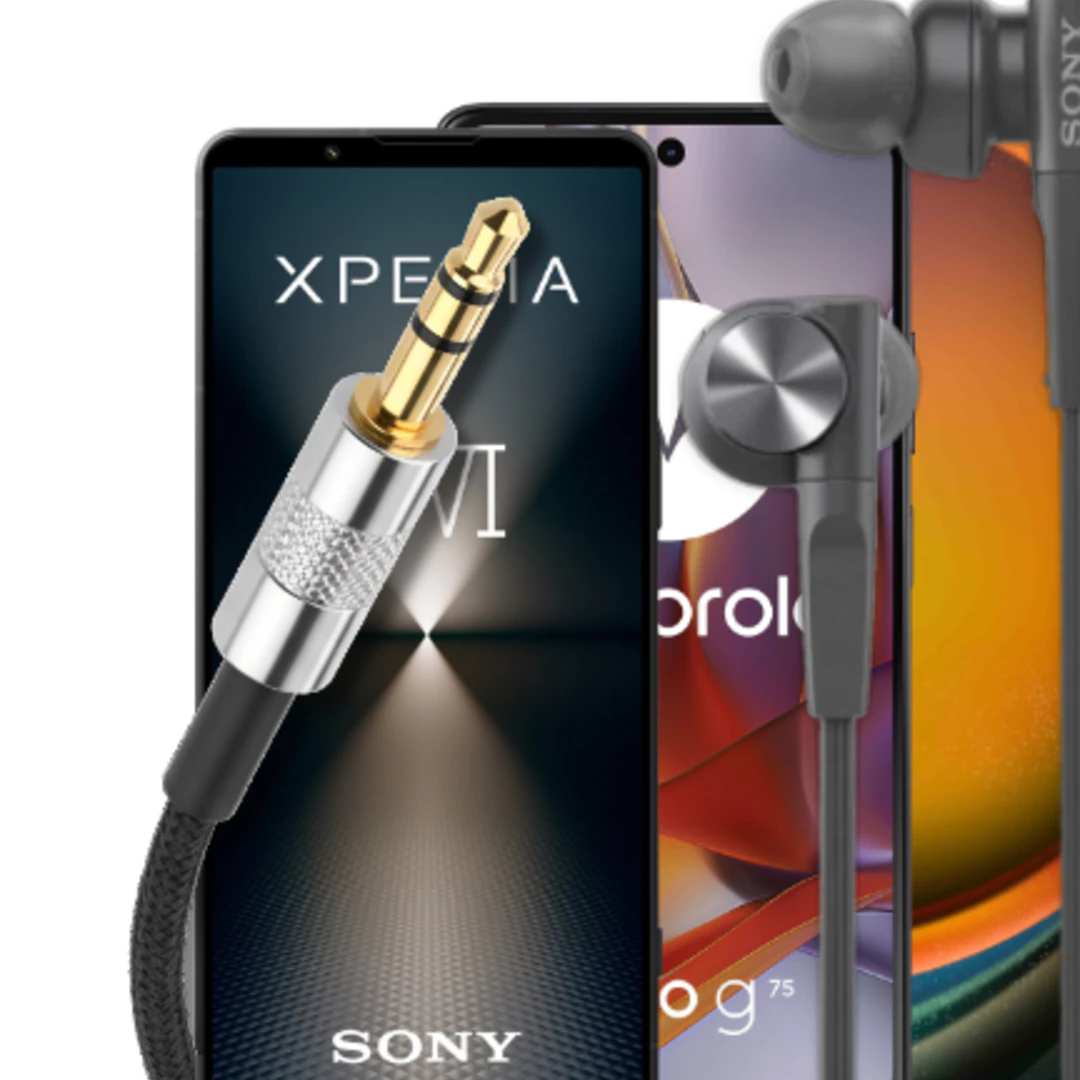
Compare mobile phones with a headphone jack
Need a new mobile with a headphone jack? If you prefer to listen via a wired connection using your own headphones, this is the place to start: all the handsets in this overview still have a 3.5mm jack. You can see the prices from all providers side by side for each model. Use the filters to narrow down your choice, or click through to a model you like.


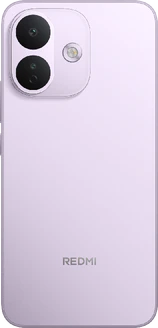

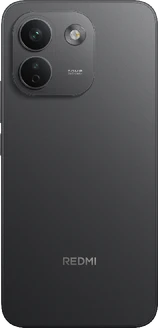
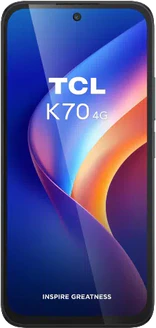
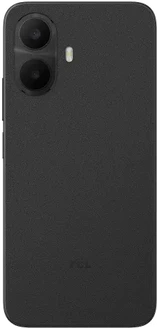
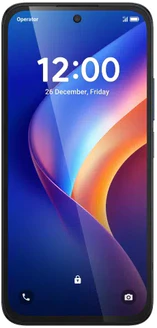
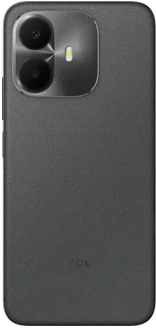

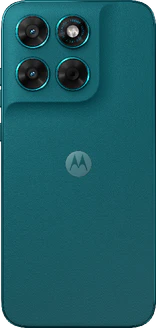

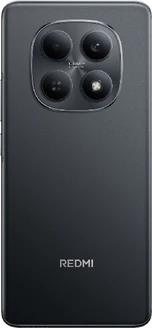

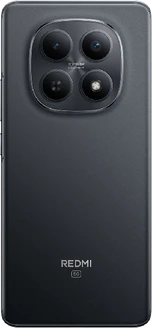

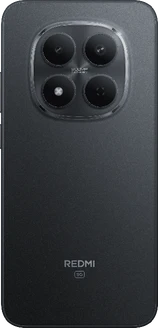

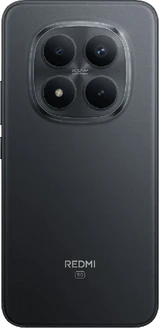

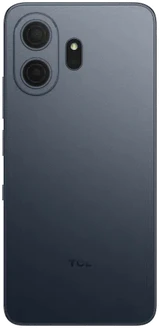
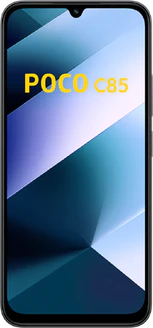
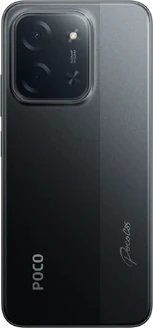
Since 2016, more and more manufacturers have been omitting the 3.5mm jack to free up space for other components and to cut costs. So anyone who insists on having one will have a more limited choice.
What should you look out for in a phone with a headphone jack?
The jack itself is the same across the board. The difference lies in what you’re giving up and what’s behind the jack.
How do these phones really differ?
- Type of device: the jack is mainly found on feature phones, rugged phones and entry-level models, whilst amongst top-of-the-range handsets it’s now only found on Sony models.
- What you’re giving up: if you stick with this port, you’ll end up in a category where the camera and screen are usually less advanced than on devices without this port.
- Support period: basic handsets and entry-level models usually receive software updates less frequently and for a shorter period than more expensive models. Check for each handset how long the manufacturer promises to provide updates.
- The amplification behind the port: not every phone delivers the same level of power. High-impedance headphones may sound quiet on some devices.
- Charging whilst listening: a dedicated headphone jack keeps your USB-C port free, so you can listen and charge at the same time.
Every device in this overview works with any standard 3.5mm headphones, without an adapter and without an app. Only with high-impedance headphones might the volume be insufficient. So your choice isn’t about the port but about the rest of the phone.
Choose a robust or simple handset if the port is your main requirement and you don’t need much from the camera.
Choose Sony if you want a top-of-the-range handset and don’t want to compromise on the port.
Choose a device without a headphone jack but with an adapter if you prioritise the camera and screen and are happy to carry an adapter with you.
Jack, TRS and TRRS: what do these terms mean?
The plug is usually called a jack plug; in Belgium, it’s also known as a ‘klinkstekker’. The 3.5mm size is standard for mobile phones; hi-fi and studio headphones use the larger 6.35mm plug, which only fits with an adapter. A stereo plug has three parts and is called TRS: Tip, Ring and Sleeve. If your headphones also have a microphone and a control button, the plug has a fourth part and is called TRRS: Tip, Ring, Ring and Sleeve. TRRS headphones will work in a TRS socket, but without the microphone.
Why has the headphone socket disappeared?
The jack plug dates back to the era of manual telephone exchanges, where it was used to switch connections. The 3.5mm version we know today emerged with the transistor radio and became the global standard with the first portable cassette players.
In 2016, Apple released the iPhone 7 and 7 Plus without this port, following months of speculation. Apple described the port as redundant because headphones could be connected to the Lightning port via an adapter, and argued that omitting it freed up space for other components. That adapter was included in the box for the first few years, but from the iPhone XS and XR in 2018 onwards, it was no longer included: anyone who wanted to continue listening via a wired connection had to buy it separately.
Many other manufacturers initially saw the port as an advantage and even advertised it, but went on to remove it in the years that followed. Consumers continued to buy devices without the port, and sales of wireless earbuds grew rapidly during the same period. The AirPods accounted for a large share of that growth. As a result, the port has largely disappeared from slim, high-end devices, whilst it has remained on simple and robust phones.
