
Compare waterproof phones
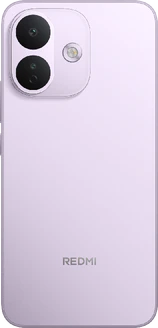
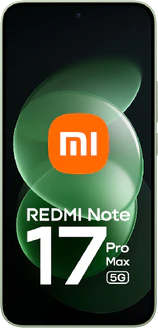
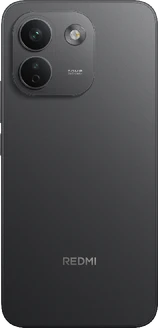
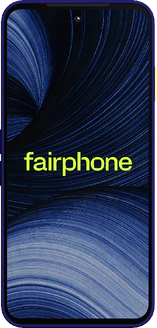
Need a waterproof phone? Here’s a round-up of dust- and water-resistant handsets, compared independently. Click on a handset to see the IP rating and prices from all providers side by side, and read the text block below the overview to find out what such a rating does and does not guarantee.
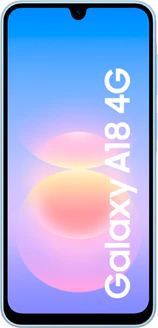
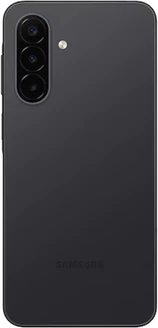


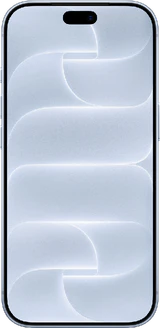
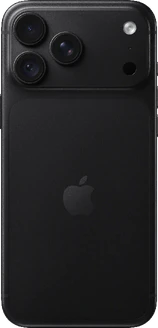


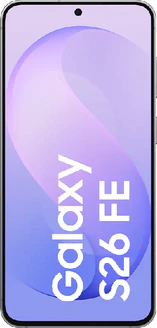
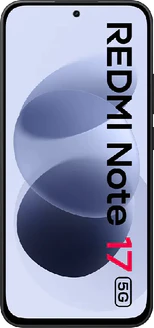
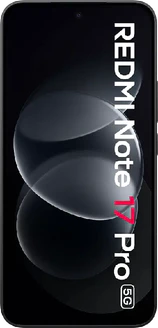
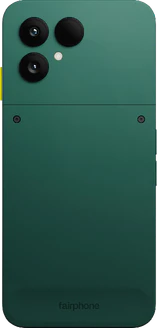
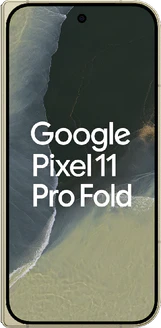
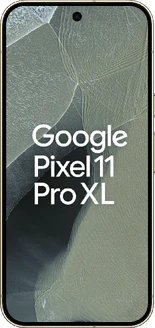
How do you choose a waterproof phone?
Water-resistant is not the same as waterproof, and no phone is permanently waterproof. The extent of the protection is indicated by the device’s IP rating. This is where the devices in this overview differ.
How do water-resistant phones really differ?
- The second digit: IP67 means thirty minutes in water up to one metre deep; IP68 goes beyond one metre, with the manufacturer specifying the exact depth. Only that single digit differs, but the difference is greater than it seems.
- The first digit: a 6 means dust-tight. Devices with a hinge do not always meet this standard; foldable phones therefore often have a lower rating.
- Durability: water resistance says nothing about damage from drops. Rugged phones have a reinforced casing and often raised edges around the screen to protect against this.
- What the test does not cover: an IP rating is based on clean, still water in a laboratory. Salt, chlorinated water, running water and the pressure experienced during a dive are not part of that test.
Every device in this overview can cope with a rain shower, a wet hand and a spilled drink. The choice comes down to what happens next, and what happens if things go wrong.
Choose IP67 if rain, a wet kitchen or a spilled glass of water are your concerns; you need look no further.
Choose IP68 if the device might accidentally fall into water and not come straight back out.
Choose a robust phone if dropping it is the real risk, for example on a building site or whilst out and about.
What does the IP code mean?
To enable you to compare devices, there is a scale for dust and water resistance: the International Protection code from the IEC 60529 standard, known as the IP code for short. It consists of two digits. The first digit indicates dust resistance, the second water resistance. If an ‘X’ appears in place of a digit, the device has not been tested for that aspect: IPX8 therefore says nothing about dust, and IP6X nothing about water.
| IP | Protection against |
|---|---|
| x0 | None |
| x1 | Dripping water |
| x2 | Dripping water at an angle of 15 degrees |
| x3 | Spray water |
| x4 | Splashing water |
| x5 | Water jet |
| x6 | High-pressure water jet |
| x7 | Submersion to 1 metre, 30 minutes |
| x8 | Submersion deeper than 1 metre |
| x9K | Hot water under high pressure |
The numbers do not form an ascending sequence: a device with an IP68 rating has been tested for immersion, but not necessarily for a powerful water jet. Only a dual rating, such as IP66/IP68, covers both.
| IP | Protection against (particle size) |
|---|---|
| 0x | None |
| 1x | Larger than 50 mm |
| 2x | Larger than 12.5 mm |
| 3x | Larger than 2.5 mm |
| 4x | Larger than 1 mm |
| 5x | Limited dust protection |
| 6x | Dust-tight |
Water resistance is not a permanent feature: the seals deteriorate due to heat, knocks and daily use, so an older device may offer less protection than the rating at the time of purchase suggests. Many manufacturers therefore exclude liquid damage from the warranty, regardless of the rating.
What should you do if your phone gets wet?
Switch off the device and do not charge it, as electricity passing through a wet connector can cause a short circuit and corrosion. Shake the water out of the port, dab the outside dry and then leave the device to dry naturally in a well-ventilated area. Do not place it in rice: the grains and dust will get into the port and this will not speed up the drying process. Do not charge the device for a day, even if it appears to be working again.
What does an ATM rating mean?
Water resistance is sometimes also indicated in ATM (atmospheres), the pressure a product can withstand. This scale is mainly used for watches and smartwatches, not for mobile phones. An ATM rating is derived from a test under static pressure and is therefore not a diving depth: as soon as you move in the water, the pressure rises higher than the figure suggests.
| Rating | Suitable for |
|---|---|
| 1 ATM | Splash-proof |
| 3 ATM | Rain |
| 5 ATM | Swimming |
| 10 ATM | Snorkelling |
| 20 ATM | Free diving |
| EN 13319 | Scuba diving |
Water-resistant or rugged?
Dust- and water-resistant is not the same as rugged. Phones with a rugged casing are often also dust- and water-resistant, but are also better at withstanding drops. This shock resistance is not specified in the IP rating; manufacturers usually claim it based on MIL-STD-810, an American military test method which they carry out themselves.
