Compare low-end smartphones
Looking for a Low-end smartphone? This is a fully-fledged smartphone with the most basic features: calls, messages, the internet, apps and a camera all work, but there have been cutbacks in terms of speed, materials and camera performance. This guide is intended for anyone looking for a first phone, a second phone or a spare phone and who doesn’t have high expectations. We don’t earn any more from one brand than another, so you can compare the entry-level models below based on specifications and prices from all providers. Use the filters to narrow down the features to just those you really need.






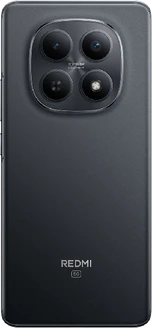
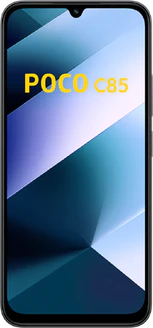


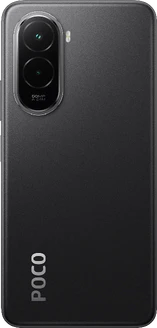
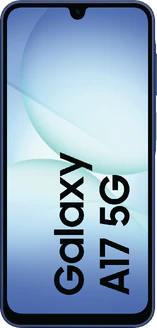
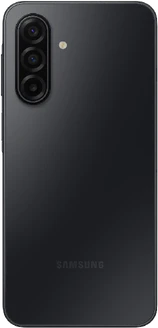
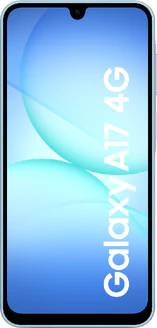
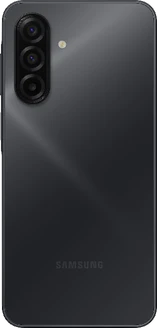


Which low-end smartphone is right for you?
In this price range, the choice isn’t about the processor or the number of cameras, but about four factors that you can’t change once you’ve bought the phone. If you’re unsure whether to look in this price range or go one step higher, our selection guide will help you decide.
How do low-end smartphones really differ?
- Storage and RAM: there’s a factor of two or more between the smallest and largest models in this category, and you can’t change this afterwards
- Network: making calls via 4G – a feature known as VoLTE – is still frequently missing in this segment; without VoLTE, a handset falls back to the 2G network for calls, and that network is being phased out
- NFC: contactless payments using your phone only work with an NFC chip, and not every model in this range has one
- Update cycle: the number of years for which Android and security updates are provided varies more widely here than in any other category, and cannot be deduced from the price
Three features are now standard in this segment: a screen large enough for video, a camera that takes usable photos in daylight, and a battery that lasts a day. The difference lies in what remains of these features after two or three years. If you’re mainly looking for value for money and don’t need a smartphone, then the broader overview of cheap phones is a better starting point.
Choose a low-end smartphone if making calls, sending messages, using a handful of apps and taking photos in daylight are all you need.
Choose a handset without apps if you don’t need apps and want to get weeks of use out of a single charge; in that case, have a look at feature phones.
Go one step up if you want to keep the phone for years, take lots of photos with it or play games on it; these are the mid-range smartphones.
Why storage and RAM are more important here than the processor
An entry-level smartphone rarely becomes slow because of its processor alone. It freezes because the RAM is too small to keep multiple apps open, or because the storage is full of photos and app updates and there’s no room left for the next system update. Manufacturers therefore often supply a lighter version of Android for these devices – Android (Go edition) – which requires less memory. That helps, but it doesn’t change which storage option you choose, so don’t automatically go for the smallest one. Also check whether it has a memory card slot: this provides space for photos and music, but not for apps.
A second reason not to go for the smallest model: in this price range, there’s often a substantial number of pre-installed apps on the device, and some of these cannot be uninstalled, only disabled. These apps take up storage space from day one, meaning the smallest model has less storage than it appears to on paper.
How long can an entry-level model be used safely?
As long as it receives security updates. This is precisely where two devices from the same price range differ most significantly. Since 20 June 2025, a legal minimum standard has applied in the EU for new models: the manufacturer must continue to provide security updates for five years after the last day of sale and spare parts for seven years. That is a minimum requirement, not a promise from the manufacturer, and you cannot tell from the price how far a brand goes beyond that. Models that were already on the market before then are not covered by that minimum requirement; in that case, the product page is your only guide. Also check which version of Android a handset has when you’re in the shop, as entry-level models often don’t run the latest version, meaning part of the update period will already have passed before you even switch it on.
Two aspects of the energy label that really matter here
New models in the EU have carried an energy label since 20 June 2025; models that were on the market before that date do not have one. The entire label is explained in the section on mid-range smartphones, and for this segment there are two elements that can influence your choice. The first is the repair class, ranging from A to E. With a cheap handset, the cost of a screen repair is significant relative to the purchase price, meaning that an entry-level model that’s difficult to repair is more likely to be replaced than repaired after a single accident. The second is the number of charge cycles: a battery must withstand at least 800 cycles and still retain 80 per cent of its capacity afterwards. In a category where the battery is rarely replaceable, this partly determines the lifespan of the entire device.
Entry-level model or an older mid-range device?
For the same price, you can often find a mid-range device that is one or two years old, either new or refurbished. These usually have a better screen, more RAM and more storage, and their remaining update cycle may still be longer than that of a new entry-level model. On the other hand, a refurbished device has a battery with a history, and the warranty varies depending on the supplier. To find out which option works best for you, read Refurbished, new or last year’s top model?
