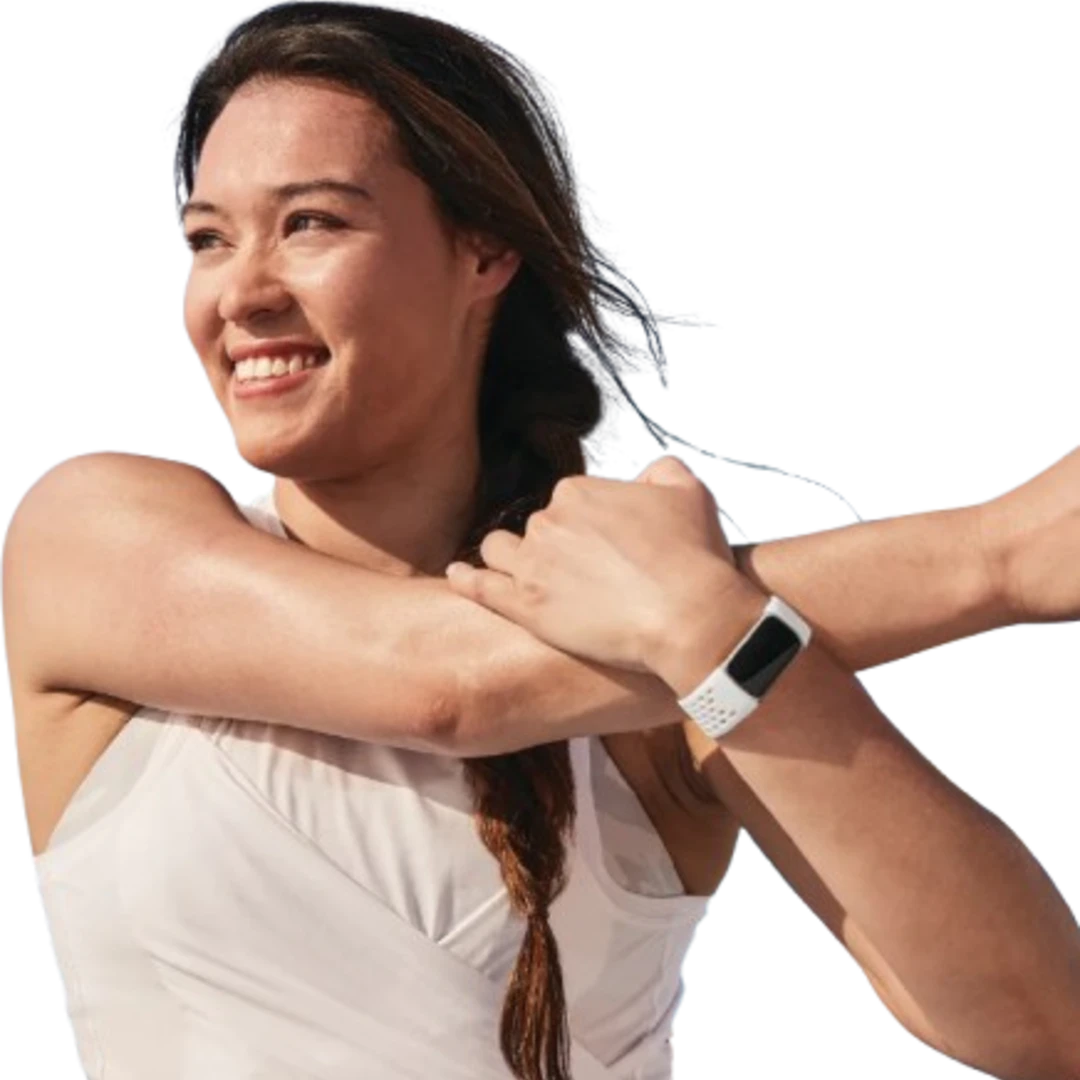
Compare fitness trackers
Fitness trackers monitor your heart rate, activity and sleep, in a more compact design than a smartwatch. On this page, you can see models from all brands side by side, with prices from all retailers included and without favouring any particular shop. Use the filters to narrow down your search, or open a model’s page to see the prices by retailer.
1 product
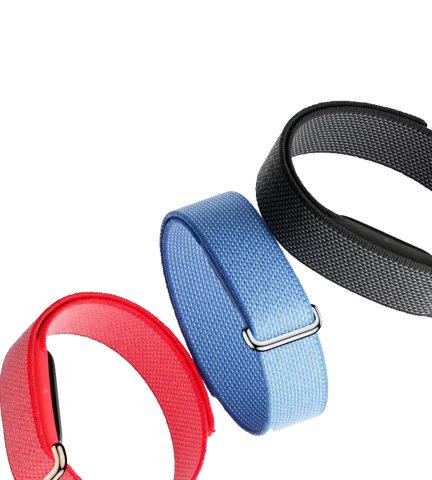
Screenless fitness trackers
All fitness trackers
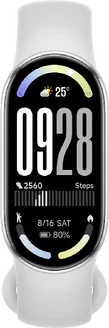
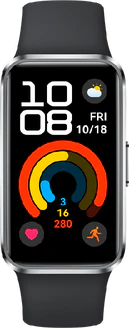
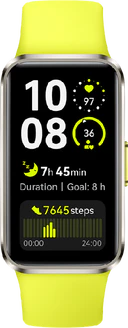
The range extends from simple pedometers to bands that give you recovery advice, with sports modes for walking, running, cycling and swimming. They continuously track data on your activity and health.
Which fitness tracker is right for you?
Four features determine which model suits you best.
How do fitness trackers really differ?
- With or without a screen: a model with a screen shows you figures and notifications straight away, whilst a model without a screen simply measures and lets you view everything in the app.
- Built-in GPS: without its own GPS, you’ll need to take your phone with you to track your route; with built-in GPS, you can leave it at home.
- Measurement functions: features such as blood oxygen levels, skin temperature and recovery advice vary greatly from model to model.
- Water resistance: if you want to swim with it, check the specifications for the rating in ATM or the IP code, and whether the manufacturer states that the device is suitable for swimming and not just for splashes.
Measurements such as blood oxygen levels and skin temperature are indicative only, not medical measurements. So don’t draw any conclusions about your health from them.
The basic measurements are the same across the board: steps, heart rate and sleep are found on virtually every model in this overview. The difference lies in how much information you want to see on your wrist, whether you want to go out without your phone, and how often you’ll need to charge it.
Choose a model without a screen if you want to charge it as little as possible and prefer to view your stats in the app.
Choose a tracker with built-in GPS if you go running or cycling outdoors and want to leave your phone at home.
Choose a smartwatch if you want to reply to notifications, make contactless payments and use apps.
What do you miss out on in the cheapest price range?
The entry-level models perform well when it comes to basic measurements. What you usually miss out on is built-in GPS. More detailed data on recovery, training load and sleep stages is also often limited, and the screen is smaller and less readable in sunlight.
Which brands make fitness trackers?
A handful of brands dominate the market, each with its own focus.
- Fitbit: one of the brands that made the category big, now part of Google.
- Garmin: focuses on sport and navigation, with built-in GPS on many models.
- Polar: originally a heart rate monitor brand, with a focus on training data.
- Huawei: emphasises battery life.
- Samsung Galaxy Fit: the budget option within the Samsung range.
Additional services
With some fitness trackers, you can take out an additional subscription. The brand will then store your data for longer, or you’ll receive more detailed analyses of your sleep and training. You usually pay for these services on a monthly basis.
Consider whether you really need these features, as another tracker may offer them without a subscription. Furthermore, such subscriptions are subject to changes in name and terms and conditions, so don’t assume they’ll work the same way with your next tracker. Also consider where your data ends up: you’re giving a brand access to your heart rate, your sleep and your location. Check the app to see which data you can export and delete.
Health apps
The screen on a fitness tracker is often too small to view detailed information. It’s more convenient to use your smartphone for this. Most fitness trackers synchronise their data with your phone. You can use the fitness tracker’s own app for this, or the one provided by your phone manufacturer. Examples include:
- Google Health
- Apple Health
- Samsung Health
- Garmin Connect
These apps store your history separately from the tracker, so a new tracker will usually pick up your data. Please note: if you switch from iPhone to Android or vice versa, your history will not automatically transfer with you. In that case, check whether the app offers an export option.
