Compare high-end smartphones
High-end smartphones are a brand’s top-of-the-range models: the devices that are the first to feature new technology, with the best screens and cameras, and usually the longest update cycle. In this overview, you can compare the flagship models side by side and check the prices offered by different retailers for each device. We don’t earn any more from one brand or device than from another, so the order listed here does not reflect our preference. Use the filters to narrow down the overview to what you’re looking for.
4 products
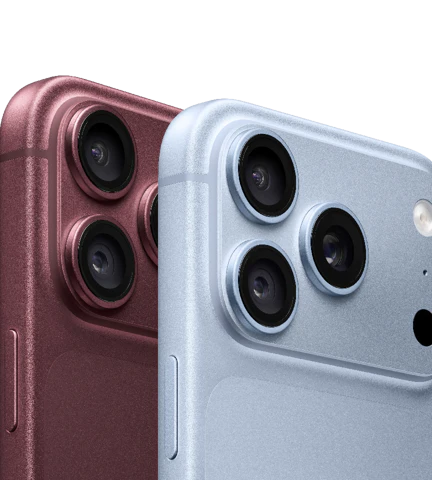
Apple iPhone Pro models
2 products
Samsung Galaxy S Ultra models

28 products
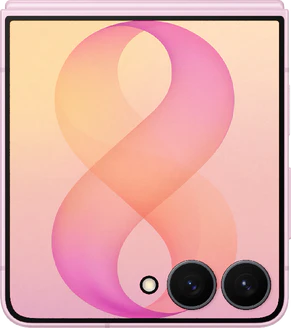
Innovative foldables

7 products
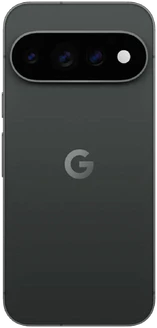
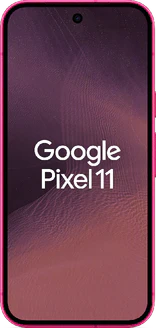
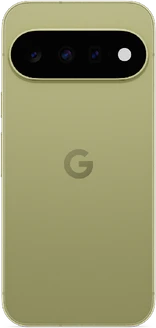
Google Pixel Pro phones

All high-end smartphones







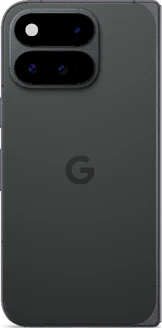
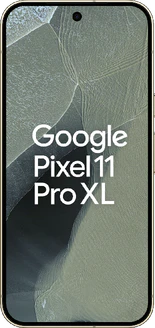
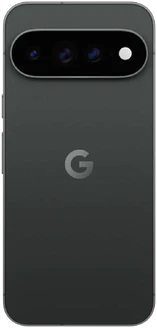
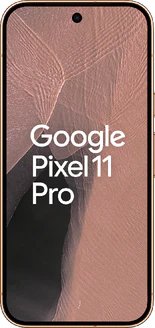
Which high-end smartphone is right for you?
In this price range, you’re paying the most for a phone, so start by asking yourself what you’re getting in return and what you aren’t.
What are you paying for in this price range, and what aren’t you paying for?
Here, you’re paying for the extremes, not for everyday use. Messaging, navigation and watching videos work just as well on a mid-range smartphone; you’ll see the difference where a cheaper handset falls short: low-light photography, zooming in without the image becoming pixelated, and a screen that remains readable in direct sunlight. Software is another factor, as this category has the longest update cycles.
Within a single range, the extra cost offers less value for money. The higher-end models that brands position above their base models – such as Pro from Apple, Ultra from Samsung or Pro from Google, are primarily about the camera and screen. With Google and in the recent Galaxy S series, the chip within a series is the same or virtually the same; Apple equips its Pro models with a dedicated, faster chip variant, but even there, the difference you notice in everyday use is mainly in the camera. If you don’t use the telephoto zoom or the manual camera mode, you’re paying for an upgrade you won’t even notice. Also, bear in mind features that are highlighted in the launch announcement but don’t work everywhere: some of the new camera and AI features will arrive later or with limitations in the Netherlands.
If you mainly need a good camera and a device that receives updates for a long time, rather than the very best, the tier below will suffice and you’ll save money.
How do high-end smartphones really differ?
High-end smartphones differ from one another in the following areas.
- Camera: the most obvious difference between brands, particularly when zooming and in low light.
- Size: most flagship models are large, so if you want a smaller device, you’ll have a more limited choice.
- Design: a foldable phone gives you a larger screen or a more compact size in your pocket, but comes in a higher price bracket.
- Position within the range: the entry-level model and the higher-end model in the same range differ mainly in terms of camera and screen.
- Charging: charging speeds in this category vary greatly from brand to brand, even between devices with similar batteries.
In the areas where a cheaper device might still fall short, these devices almost all perform well above that level: a screen that remains readable outdoors, processing power that will last for years, and a casing that is resistant to water and dust. So the question isn’t whether a high-end smartphone is fast enough, but which of its strengths you need most.
Choose based on the camera if you often zoom in or take photos in the dark.
Choose based on size if you need to be able to operate the device with one hand.
Choose based on update cycle if you want to keep the device for a long time or resell it later.
Choose a lower-end model if you don’t use the telephoto zoom or the maximum screen brightness: see the mid-range smartphones.
Flagship or last year’s top model?
Last year’s top model is often the wisest choice in this category, but this doesn’t apply equally to every brand. With Android flagships, the price of the previous top model usually drops significantly as soon as its successor is released. With Apple, things are different: the previous Pro models are withdrawn from the brand’s own sales channels, and the price of remaining stock can actually rise. Also bear in mind that the choice of colours and storage capacities shrinks as that stock runs out.
In addition, bear two things in mind: how many years of updates are left, as an older top-of-the-range model may still be covered by the brand’s previous update policy, and whether the feature you consider important has been updated in the new generation. A similar option is a refurbished handset: the same model in good condition, with a warranty from the seller. We’ve compared which of the three options suits you best in our decision guide refurbished or new.
How long does a flagship model remain up to date?
Update cycles vary widely, even within this category. Samsung provides seven years of updates for its S-models from the Galaxy S24 series onwards, and Google has been doing the same for its top-of-the-range models since the Pixel 8. Apple does not promise a specific timeframe per model, but has stipulated that the iPhone 15 series and newer models will receive updates for at least five years from the first shipment, and in practice usually provides them for longer. In addition, from 20 June 2025, EU regulations stipulate that updates must remain available for at least five years after a model is no longer sold. This EU requirement therefore runs from the end of sales and not from the launch date: the timeframes quoted by manufacturers themselves and this minimum requirement are not the same, so compare the commitment for each model.
When is a flagship model best value for money?
Not in the first few months. The asking price is highest around the time of launch and then gradually falls for most brands, so if you wait a few months, you’ll pay less for the same handset. If you want to spread the cost, you can also opt for a top-of-the-range model on a contract, but you’ll need to factor in the total cost over the contract term: you’re spreading the cost of the handset and effectively borrowing it, and above a certain amount, that handset loan will be registered with the BKR, which could affect a mortgage application.
