
Compare cheap smartphones
Cheap smartphones are fully-fledged phones where the manufacturer has cut costs in certain areas. Where exactly this happens varies from device to device. This overview features only smartphones from the lowest price brackets, with the current price listed for each provider. We don’t earn any more from one brand than from another. Set your own upper limit in the filters and read below to find out what cost-cutting measures you’ll actually notice.
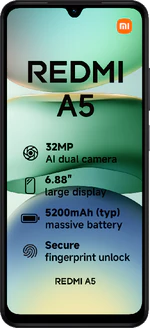
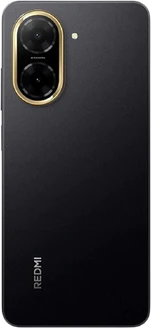



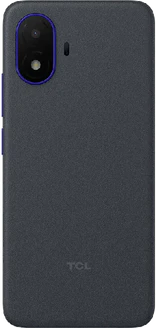
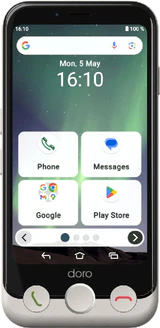


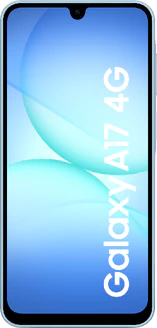
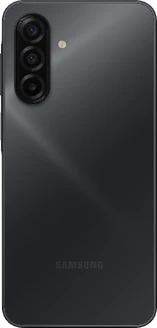
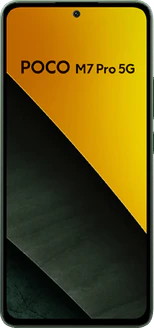
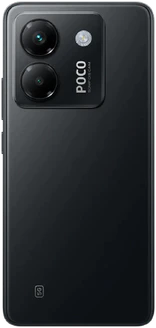

Which budget smartphone is right for you?
A smartphone can be ‘cheap’ in two ways: it may be simply built, or it may be a higher-end model that has dropped in price. Both types are mixed together in this overview. If you’re not yet sure whether this category is right for you, start with our selection guide.
How do budget smartphones really differ?
- Screen: outdoor brightness and refresh rate vary the most here; a 60 Hz screen looks noticeably less smooth than one at 90 or 120 Hz
- Camera: in daylight, the differences remain minor, but in low light they become significant; the number of lenses matters less than you might think, as the main camera does most of the work
- Charging speed: battery capacity determines how long a device lasts, charging speed determines how quickly it’s fully charged again, and in this class, charging speed often makes more of a difference than capacity
- Software: how much is pre-installed, whether you can remove it, and how many years of updates the manufacturer promises
All these devices can make calls, send messages, access the internet, run apps and take photos; so you shouldn’t compare them on those grounds. The choice comes down to how smoothly a device performs these tasks and how long it will continue to do so.
Choose an entry-level model if you don’t demand much from your phone and are primarily looking for a low purchase price; these are the Low-end smartphones
Choose a discounted mid-range model if you want a better screen and a better camera and don’t mind a model that’s one or two years old; these can be found amongst the mid-range smartphones
Choose refurbished if you want to get a higher-end model for the same price and accept that the battery has a history and the warranty varies by supplier; in that case, take a look at refurbished phones
Simply built or reduced in price?
A model’s year of manufacture reveals which of the two you’re holding; that year is listed in the specifications on the product page. If a handset has just been released, it has been built for this price: cost-cutting measures have been taken on the chip and the screen’s refresh rate; the casing is made of plastic rather than glass and metal; and the camera module features one high-quality lens surrounded by a few others that add little value. If a model is two or three years old, it started out in a higher class and does have those components; its price has dropped because a successor has been released. That price drop doesn’t affect the end date for updates, so such a device has fewer years of updates left than an entry-level model of the same price, which still has its entire update period ahead of it. On paper, it might look more impressive. How these options work out for you, including refurbished models, is explained in Refurbished, new or last year’s top model?
Is there a charger in the box?
Not always, and that makes a difference to what the device actually costs you. Since 28 December 2024, phones placed on the market in the EU must have a USB-C port, and you can decide for yourself whether to buy the device with or without a charger; an icon on the packaging shows what’s included. As older stock may still be sold, you may still come across a handset with a different connector. So factor in the cost of a charger and, sometimes, a cable if you don’t already have them at home.
The cost-cutting measure not listed in the specifications
Cheaper handsets often come with a host of pre-installed apps, some of which can only be disabled rather than uninstalled. With some brands, recommendations or adverts are also included in their own system apps. These can often, though not always, be disabled in the settings. In this price range, the length of time a device continues to receive updates can vary more significantly by brand than by price; we explain the legal minimum requirement for this and how to check it for each device in our guide to Low-end smartphones.
What difference does this make to you in practice?
That varies from user to user, which is why there is no single ‘best’ device in this category. If you mainly use your phone for messaging, calls, music and navigation, you’ll notice little difference with a basic processor, and the update cycle will be the most important factor. If you take a lot of photos, the main camera is the spec that makes the difference, and you’ll notice that difference most in low light. If you play games, this category reaches its limits, so you’re better off looking at gaming phones. If you plan to keep the phone for four or five years, don’t go for the smallest storage option, as system updates cannot be installed without free space. If you’re looking within a fixed maximum budget, the range of budget phones is more limited; if you also want to see handsets without apps, then cheap phones offers a wider selection.
