
iOS versions and which iPhones they’re available on
iOS is the operating system that Apple develops for the iPhone, and the reason why a seven-year-old iPhone can still receive a new version. On this page, you can see which iPhones support the current version of iOS, which ones are no longer supported, and why the version number has jumped. The overview below lists the devices side by side, showing their specifications and current prices.



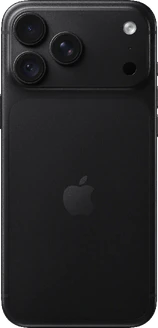
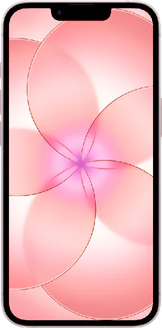
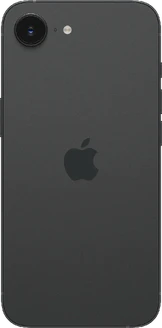
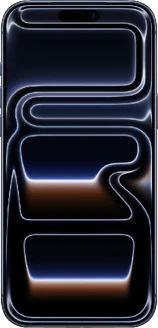
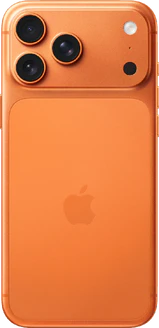
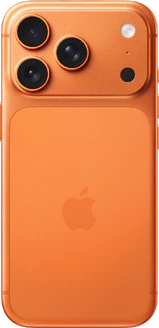
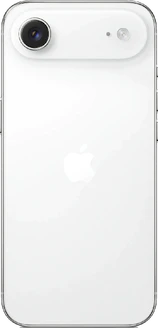
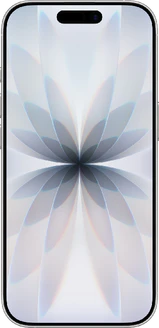
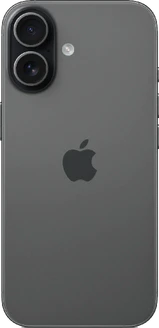
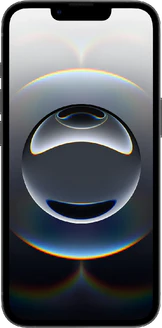
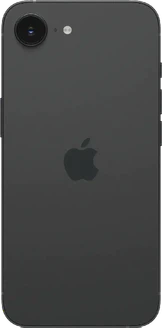
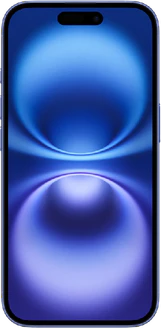
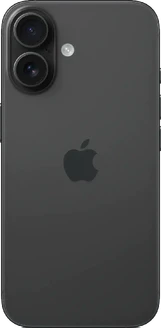
Which iPhone gets which version of iOS?
iOS 27 is the current version and works on the iPhone 11 and newer models, as well as the iPhone SE from 2020 and the iPhone SE from 2022. Apple releases one major version every year: unveiled in June at the WWDC developers’ conference, and available to everyone in September. The update is free.
How do iPhones with the same iOS version differ?
- Camera: the Pro models have an additional telephoto lens and more manual controls than the standard models.
- Size: the range extends from models that can be operated with one hand to screens that require two hands.
- Price versus update cycles: an older model receives the same version, but fewer subsequent updates.
- Apple Intelligence: the AI features require an iPhone 15 Pro or newer, so some of the devices running iOS 27 cannot use them.
Whichever iPhone you choose from this overview, it will run the same version of iOS, receive updates on the same day and use the same apps. With Apple, therefore, you shouldn’t base your comparison on the operating system. What remains are the size, the camera and the number of years you want to plan ahead. That’s what makes an older supported model interesting here: you run the same iOS version and the same apps for considerably less money, whilst primarily compromising on the camera and the remaining years of updates.
Choose a new model if you want to keep receiving new iOS versions for as long as possible.
Choose a model that’s a few years old if you want the same iOS version without the latest camera.
Choose a Pro model if you want the telephoto lens and manual camera modes.
What features in iOS 27 don’t work in the Netherlands?
The new AI-powered Siri, the most significant new feature of iOS 27, cannot be used in the EU. Apple announced in June 2026 that the feature is being postponed in the EU due to the Digital Markets Act. The rest of iOS 27 will still be released in the Netherlands as normal. So don’t count on getting the new Siri with a new iPhone.
Why iOS jumped from version 18 to 26
In 2025, Apple switched to a version number that refers to the model year: iOS 18 was not followed by iOS 19 but by iOS 26, so that the numbering aligns with that of macOS, iPadOS and watchOS. Versions 19 to 25 therefore do not exist. The naming history prior to that is simpler: the first three versions were called iPhone OS and were released between 2007 and 2009, and from version 4 in 2010, Apple has used the name iOS, as the system was then also running on the iPad and the iPod touch.
All iOS versions at a glance
| Version | Announced | New features |
|---|---|---|
| iPhone OS 1 | January 2007 | First version |
| iPhone OS 2 | March 2008 | App Store |
| iPhone OS 3 | March 2009 | Copy and paste, video recording, Dictaphone |
| iOS 4 | June 2010 | Wallpapers, app folders, FaceTime |
| iOS 5 | June 2011 | Notification Centre, iCloud synchronisation, Siri |
| iOS 6 | June 2012 | Apple Maps, Facebook integration |
| iOS 7 | June 2013 | New design, Control Centre |
| iOS 8 | June 2014 | Third-party keyboards, Continuity, HomeKit |
| iOS 9 | June 2015 | Apple News, Night Shift, multitasking on iPad |
| iOS 10 | June 2016 | New lock screen, Home app |
| iOS 11 | June 2017 | Augmented reality (ARKit), greater productivity on the iPad |
| iOS 12 | June 2018 | Speed improvements, grouped notifications |
| iOS 13 | June 2019 | Dark Mode, more privacy settings, apps launch faster |
| iOS 14 | June 2020 | New Home screen, widgets, App Clips |
| iOS 15 | June 2021 | Focus, Live Text, Notification Summary |
| iOS 16 | June 2022 | Personalised lock screen, revamped Home app |
| iOS 17 | June 2023 | Contact posters, Live Stickers, StandBy |
| iOS 18 | June 2024 | Customise Home Screen, Apple Intelligence |
| iOS 26 | June 2025 | Liquid Glass interface, Hold Assist, Live Translation |
| iOS 27 | June 2026 | Siri with AI (not in the EU), two iPhones on one number, faster AirDrop |
Which iPhones won’t be compatible with iOS 27?
The iPhone XS, XS Max and XR, and all models released before them, will not receive iOS 27, nor will the first iPhone SE from 2016. These devices will continue to run on the version currently installed, but will no longer receive new features. Good news for everyone else: compared to iOS 26, no devices have been left out. Here are the models that are supported, organised by generation:
- iPhone 18 series: the latest generation in this overview, with the longest remaining update period.
- iPhone 17 series: the previous generation, with virtually the same features.
- iPhone 16 series: the first generation in which every model supports Apple Intelligence, including the entry-level model.
- iPhone SE series: the 2020 and 2022 versions, both of which run iOS 27.
- All iPhones: including models from the 11 to 15 series that support iOS 27.
How long does an iPhone receive iOS updates?
Apple does not specify the number of new iOS versions, only a minimum period for security updates. European ecodesign regulations stipulate that security updates for phones placed on the EU market from 20 June 2025 onwards must remain available for at least five years after a model is discontinued. For the iPhone 15 series and newer models, Apple also promises at least five years of security updates from the date of first supply, in the statement it publishes under the UK’s Smart Devices Act (PSTI); that statement relates to the very same device available here in shops, so you can assume the same applies in the Netherlands. In practice, the period is longer: the iPhone 11 was released in 2019 and still received iOS 27 in 2026, seven years after its launch. This is not a promise but a pattern, and this is where Apple differs from the Android camp: Samsung explicitly commits to seven years of updates from the Galaxy S24 series onwards, and Google from the Pixel 8 onwards.
iOS or Android?
The biggest practical difference lies not in the features (which are very similar) but in the choice of devices: iOS only runs on an iPhone, whilst Android phones come from dozens of brands, across every price range. In the Netherlands, Android is ahead of iOS: StatCounter reports roughly two-thirds Android to one-third iOS, measured by page views rather than device ownership. If you’re considering switching, pay particular attention to what happens to the apps you’ve bought and your App Store subscriptions, as these won’t transfer over. We don’t earn any more from one brand than from another.
