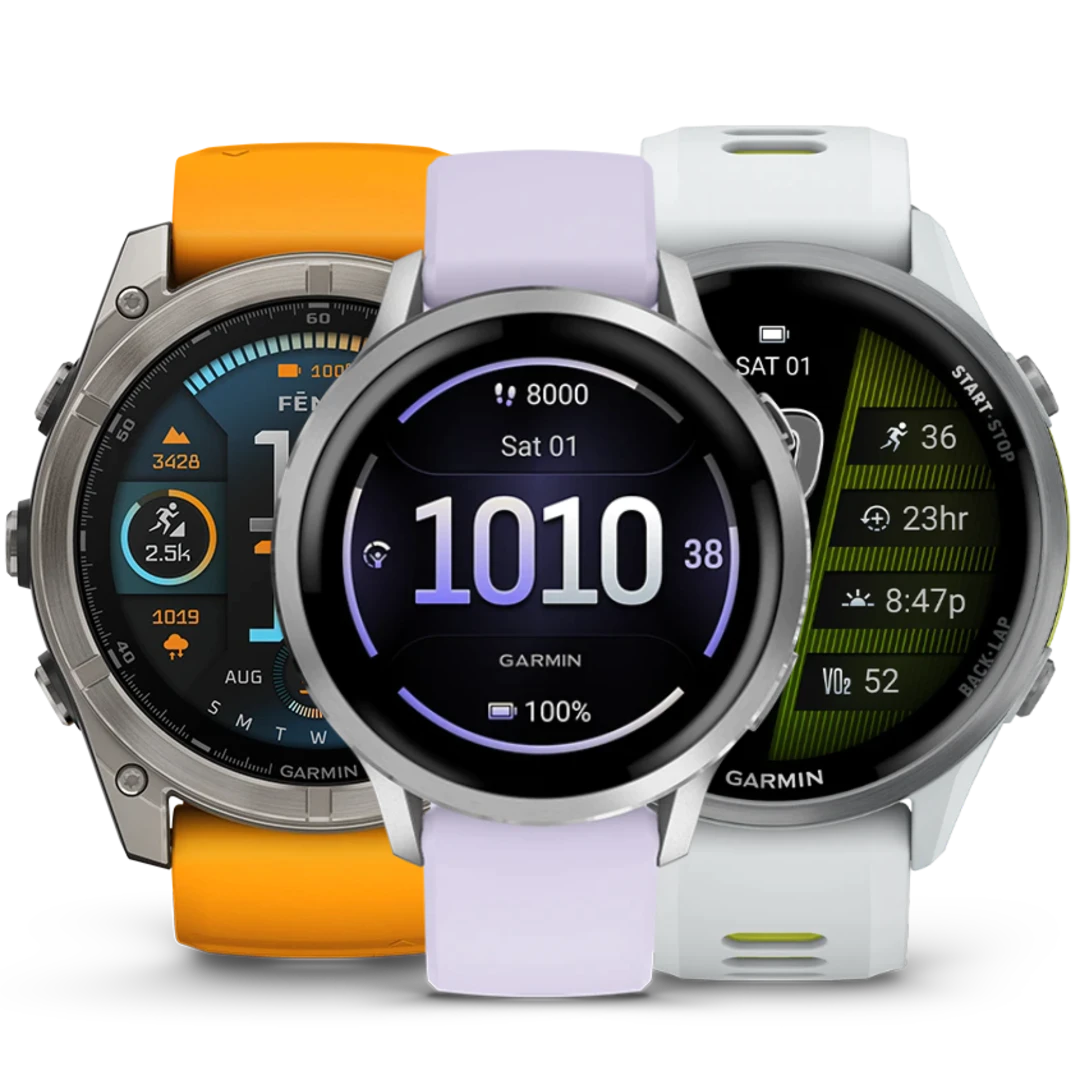
Thinking of buying a Garmin smartwatch? Compare all the ranges and prices
Looking for a Garmin smartwatch? Here you’ll find all the models from every range in one place, with the current prices from all retailers side by side. Garmin makes watches for people who really want to make the most of their fitness and health data: from a slim model for a narrow wrist to a robust outdoor watch that lasts for weeks on a single charge. We compare prices 100% independently, so you’ll always see where you can get the best deal. Use the filters for series, screen type or battery life and instantly find the Garmin that’s right for you.
1 product
fēnix series
1 product
Venu series
Forerunner series
All Garmin smartwatches
Which Garmin series is right for you?
First choose your series, then your model. Within a series, the watches mainly differ in size, screen type and material; between series, the entire approach differs. Garmin divides its smartwatches into five ranges, each designed for a different type of user.
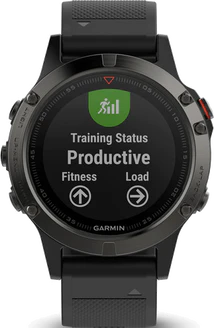
- fēnix: the premium multisport flagship with titanium, sapphire crystal and built-in maps, and the longest battery life in the range. For those who want it all and are prepared to pay the full price.
- Forerunner: running and triathlon watches, with the Forerunner 570 and 970 as the current top models. Lighter than a fēnix and entirely focused on training data.
- Instinct: the rugged outdoor range, with the Instinct 3 as the current generation. Built to withstand a knock and considerably cheaper than the fēnix, but without the premium finish.
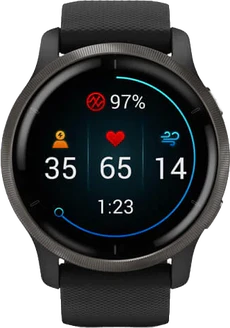
- Venu: the lifestyle range with a bright AMOLED screen, focused on health, sleep and everyday wear rather than extreme sports.
- vívoactive: the affordable entry-level model. The vívoactive 6 performs the key sports and health functions well, without the maps and materials found in the more expensive ranges.
Garmin, Apple or Samsung?
Garmin wins on battery life and sports data, but loses out on apps and smart features. An Apple Watch or Samsung Galaxy Watch will usually last just one to two days; a Garmin, depending on the model, will last from days to weeks. On the other hand, the range of apps on a Garmin is much more limited, the voice assistant is more restricted and the controls are buried deeper within the menus. If you mainly want to reply to messages, control your music and make payments at the till, then Apple and Samsung offer a smoother experience. If you want to know why your heart rate variability is dropping this week, then Garmin is the logical choice.
A practical advantage of Garmin: the watches work with both iPhones and Android phones. An Apple Watch requires an iPhone, whilst a Galaxy Watch only works to its full potential on Android.
Choose Garmin if you train seriously, want to go several days without a charger and value in-depth sports and recovery data.
Choose Apple or Samsung if you’re mainly looking for an extension of your phone: you don’t mind using apps, replying to notifications and charging it daily.
AMOLED or a power-saving display?
Various Garmin series come in two screen types, and that choice determines your battery life more than any other specification. An AMOLED screen is bright and colourful and easier to read indoors; the power-efficient transflective screen, on the other hand, is at its best outdoors in bright sunlight and uses so little power that some models are even charged by sunlight. If you keep the screen on permanently on an AMOLED model, the battery life is roughly halved. That is precisely why the stated battery life figures vary so widely.
What will you encounter?
Garmin watches are expensive, and the top-of-the-range models have become significantly more expensive in recent generations. What’s more, the larger models are really big: a 47mm or 51mm case looks bulky on a slim wrist. You should also expect a learning curve, as Garmin packs so many metrics into the app that the first few weeks can be overwhelming. And check in advance whether your bank supports payments via Garmin Pay; this is less straightforward than with Apple Pay or Google Wallet.
